
What is an Acrylic Crystal? Acrylic vs Mineral vs Sapphire Explained
The crystal is the clear cover that protects a watch dial - and it is one of the most important yet least understood parts of any timepiece. If you have been browsing vintage watches, you will have seen crystals described as acrylic, mineral, or sapphire, and you may well have wondered what the difference actually is, and which is best. The answer is more interesting than you might expect, particularly when it comes to vintage watches. Here is everything you need to know.
What is a Watch Crystal?
The crystal is the transparent cover sitting over the dial, protecting it and the hands from dust, moisture, and damage. Despite the name, it is not crystal in the geological sense - the term is simply the traditional watchmaking word for the watch glass.
Crystals are made from three main materials, and each behaves quite differently. Understanding them helps enormously when buying, wearing, and caring for a vintage timepiece.
What is an Acrylic Crystal?

An acrylic crystal is made from a clear, hard-wearing plastic. You will also see it referred to as Hesalite, Plexiglass, or simply plastic - these are essentially the same material under different names.
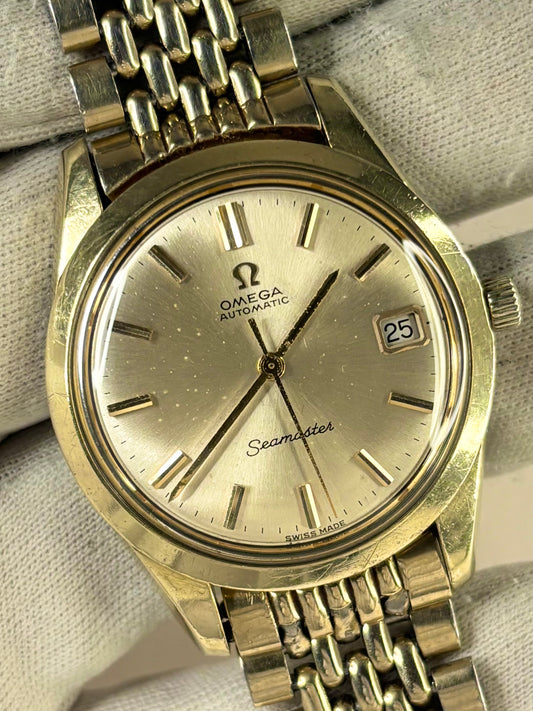
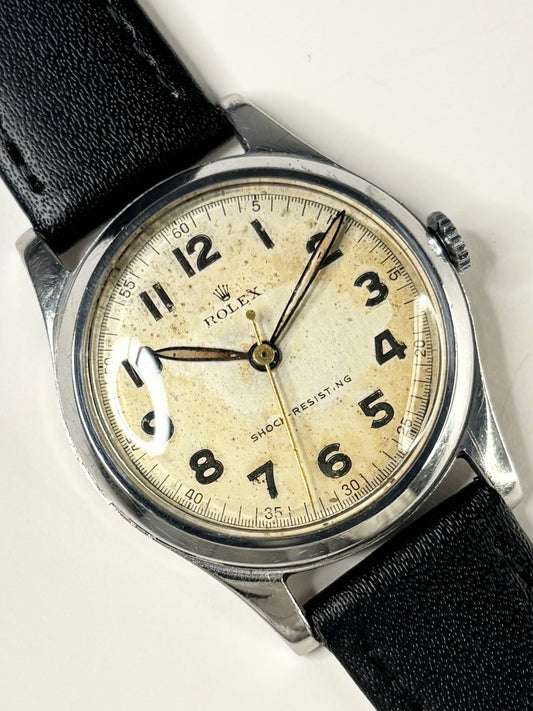
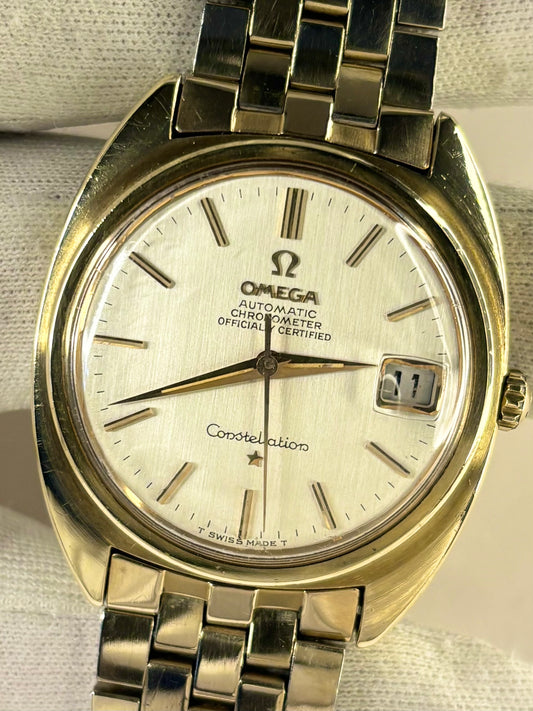
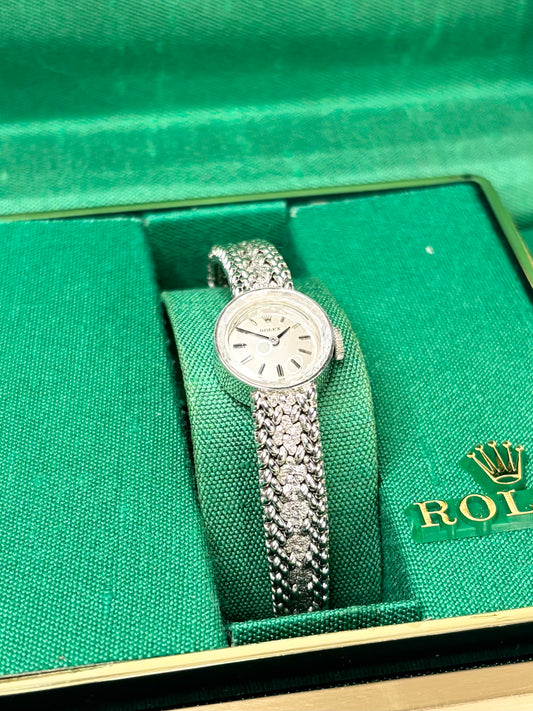
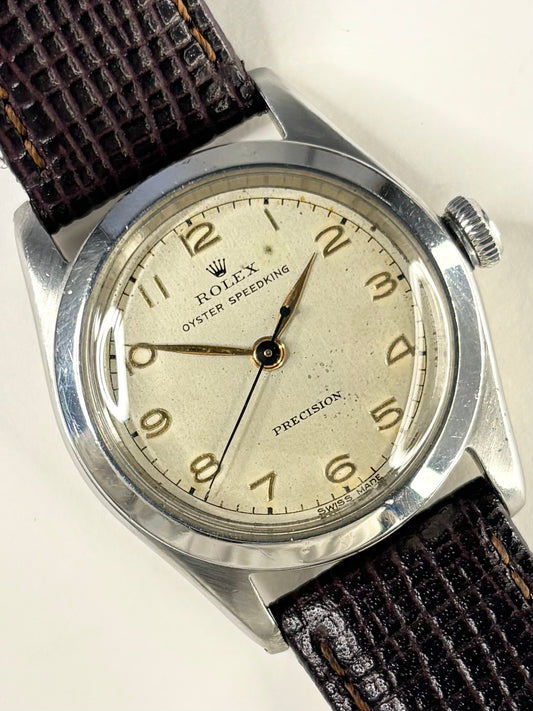
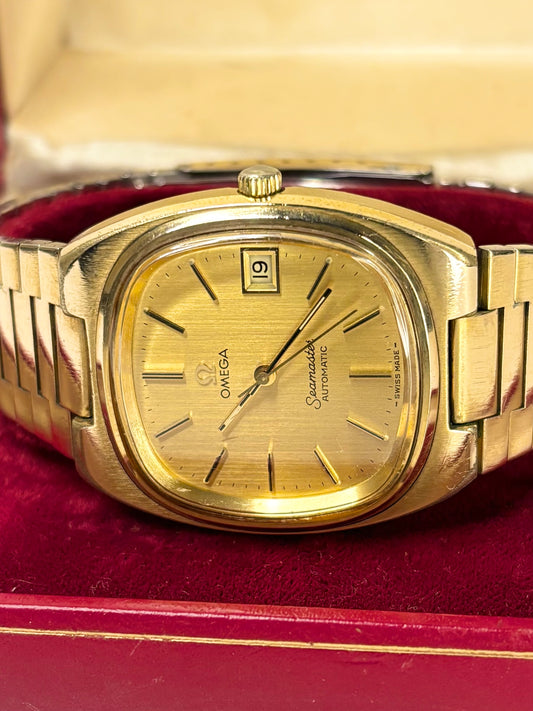
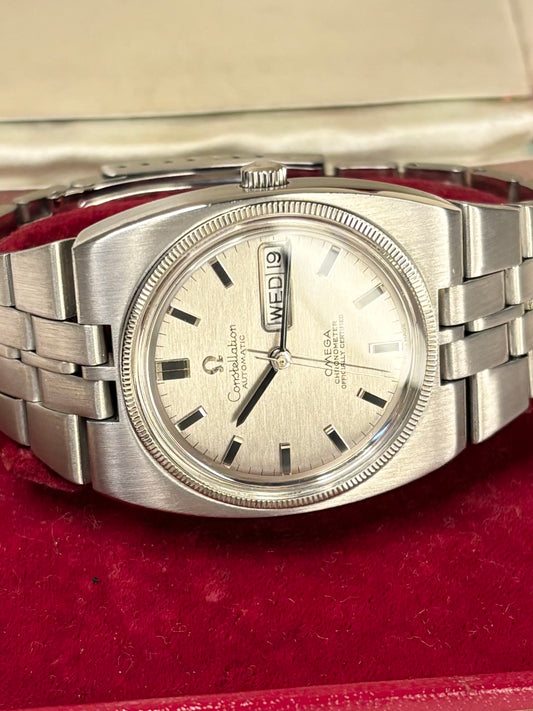
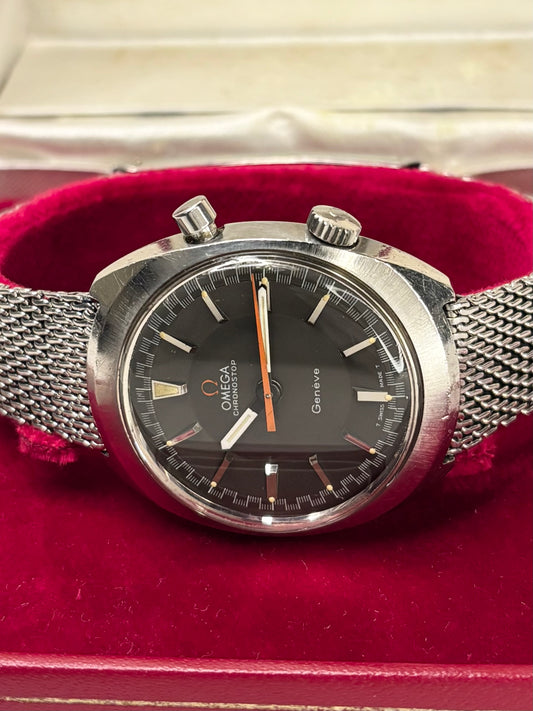
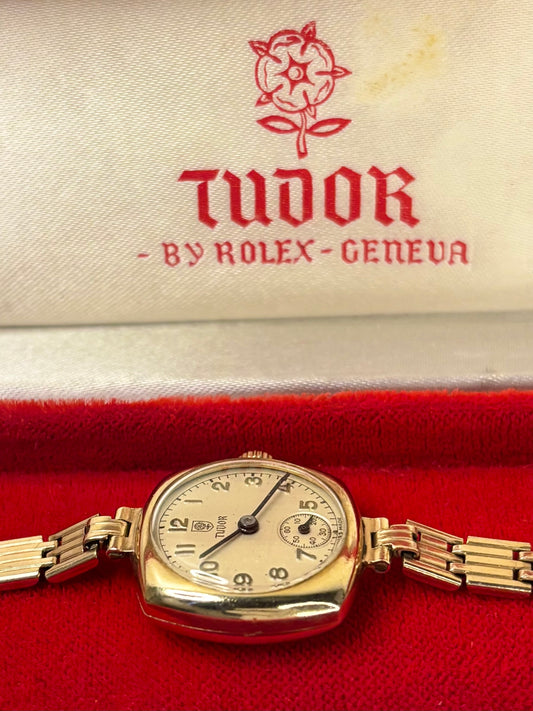
Acrylic is the crystal you will find on the overwhelming majority of vintage watches. Through the 1940s, 1950s, 1960s, and well into the 1970s, acrylic was the standard choice across the industry, from modest everyday watches to the most prestigious pieces. If you own a vintage timepiece from these decades, the chances are very strong that it wears an acrylic crystal - quite possibly its original one.
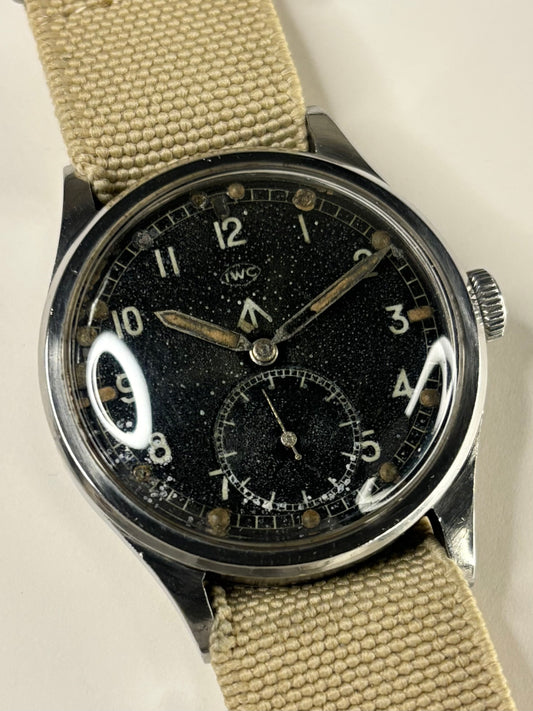
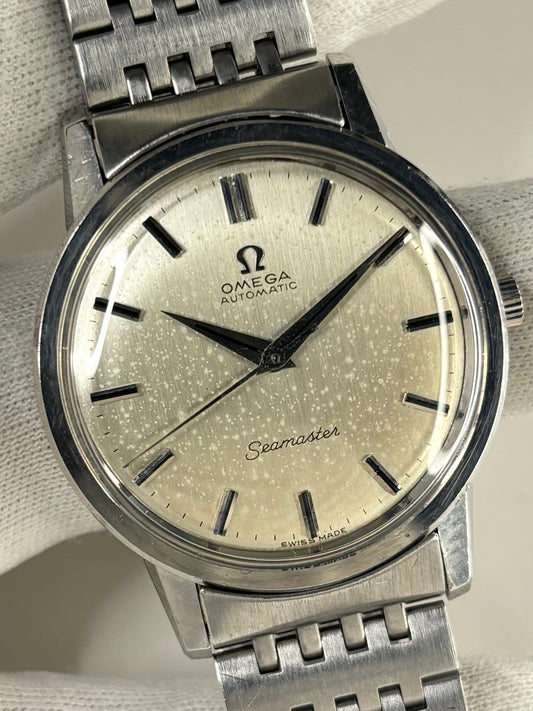
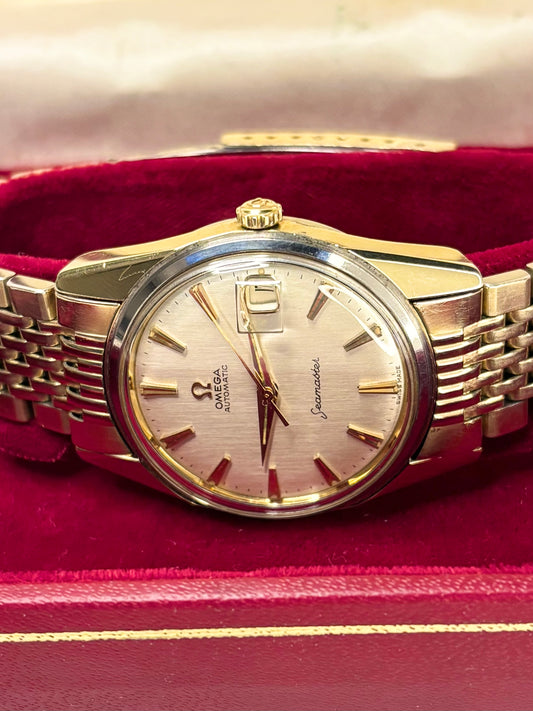
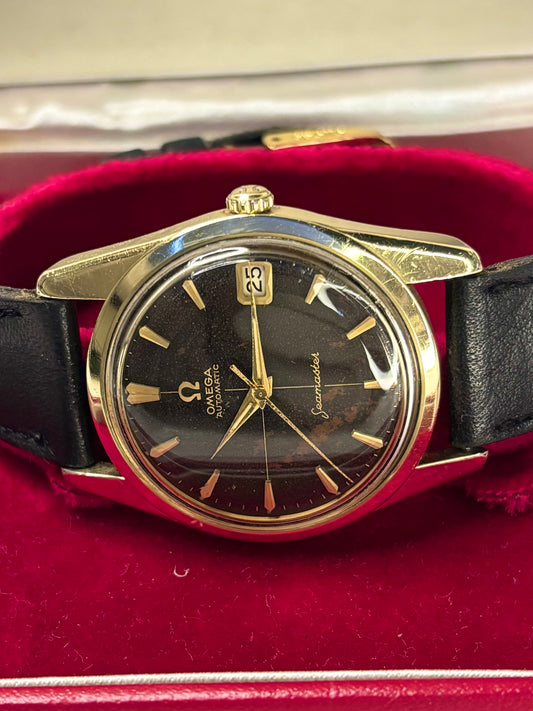
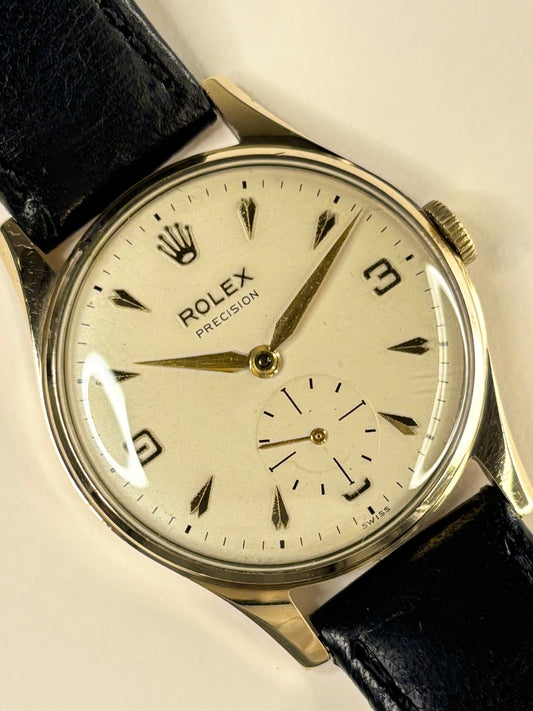
Acrylic has a number of genuine advantages, which is precisely why it was used for so long. It is remarkably shatter-resistant, absorbing knocks that would crack a glass crystal - a real virtue in a watch meant to be worn and used, and one reason it was favoured for military and tool watches. It can also be domed into beautiful shapes, and that gentle doming creates the warm, slightly distorted look around the edges of the dial that so many collectors adore. And crucially, when it does get scratched, sometimes caused as a result of poor storage, those scratches can very often be polished out entirely, as outlined in our guide to removing scratches from an acrylic watch crystal
Its one drawback is that it scratches relatively easily. But as we will see, that matters far less than you might think.
What is a Mineral Crystal?
A mineral crystal is made from hardened glass, treated to improve its resistance to scratching. It sits in the middle ground between acrylic and sapphire, and it became increasingly common from the later twentieth century onwards.
Mineral glass resists scratches considerably better than acrylic, but it is more brittle - a hard knock is more likely to chip or crack it. And unlike acrylic, scratches in mineral glass cannot easily be polished out at home, so a damaged mineral crystal generally needs replacing.
What is a Sapphire Crystal?
A sapphire crystal is made from synthetic sapphire - the same material as the gemstone, grown in laboratory conditions. It is extraordinarily hard, sitting at nine on the Mohs scale of hardness, where only diamond ranks higher.
This makes sapphire almost entirely scratch-proof in everyday wear, which is why it is the standard on modern luxury watches. It is not indestructible, however - being very hard also makes it comparatively brittle, so a severe impact can chip or shatter it. It is also the most expensive of the three, and untreated sapphire can be quite reflective, which is why many modern watches use anti-reflective coatings.
Which is Best? It Depends on the Watch

Here is the crucial point, and the one that surprises many people new to vintage watches - the hardest crystal is not automatically the best one.
For a modern watch, sapphire makes complete sense. It stays pristine for years with minimal care, and that is exactly what most modern buyers want.
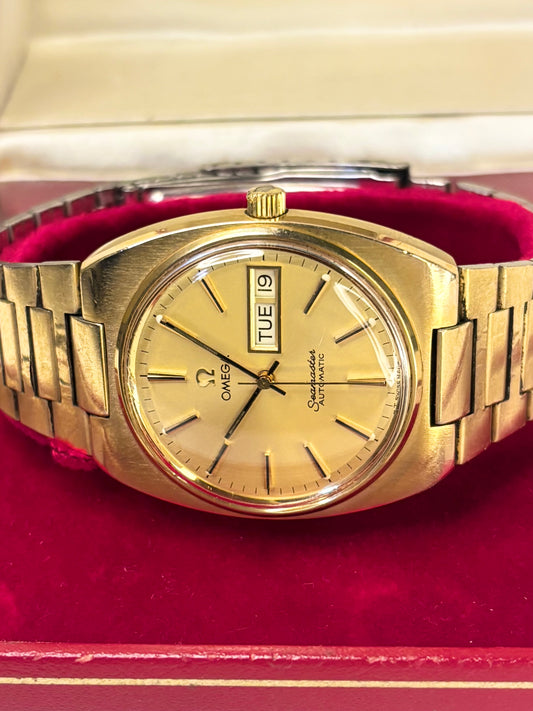
For a vintage watch, the picture is quite different, and acrylic has some genuine advantages. It is period-correct, for one thing - an acrylic crystal is what the watch was designed to wear, and it gives the timepiece the warm, characterful look its makers intended. That gentle doming and slight distortion is part of the vintage charm, and swapping it for a flat modern sapphire can leave a watch looking oddly clinical.
There is also the matter of originality, which as we discuss throughout this blog - including in our guide to whether vintage watches hold their value - is central to the appeal and worth of a vintage timepiece. A vintage watch retaining its correct period acrylic crystal is truer to itself than one fitted with a modern sapphire replacement, and many collectors actively prefer it.
And practically speaking, acrylic scratches are rarely a problem. Light scratches can very often be polished out using a proprietary plastic polishing paste made for the purpose, restoring clarity in a few minutes with nothing more than a soft cloth and a little patience. It is one of the most satisfying pieces of vintage watch care there is - and something you simply cannot do with mineral or sapphire.
Caring for an Acrylic Crystal
Looking after an acrylic crystal is straightforward. Wipe it gently with a soft, clean cloth rather than anything abrasive, avoid harsh solvents which can cloud the surface, and deal with light scratches using a polishing paste made specifically for plastic watch crystals, working gently in small circular motions.
Deeper scratches or cracks are a job for a watchmaker, who can replace the crystal entirely - and it is worth asking for a correct period-style acrylic replacement rather than a modern alternative, to keep the watch true to its character.
One further point worth knowing - the crystal is also part of a watch's seal against moisture, and a worn, cracked, or poorly fitted crystal is one of the ways water can find its way inside. This is one of several reasons we always advise treating vintage watches as not waterproof, as we explain in our guide to whether vintage watches are waterproof.
A Final Thought
The crystal is a small part of a watch that makes a genuine difference to how it looks, how it wears, and how faithful it is to its era. Sapphire may be the hardest, but for a vintage timepiece, a correct, gently domed acrylic crystal is very often the right answer - warm, characterful, period-correct, and wonderfully easy to keep looking its best.
At AR Collectables, every vintage timepiece in our collection is handpicked, cleaned, and tested. If you would like to know more about a specific piece, or are looking to buy a vintage watch with genuine period character, just drop us a message - we would love to help. 🤝
Check out our full vintage watch collection today!