
What is Crazing on a Watch Crystal? A Vintage Watch Guide
If you have looked closely at an old watch and noticed a network of fine, hairline cracks or a cloudy, spidery pattern across the crystal, you have encountered crazing. It is sometimes found on older watches, particularly those with acrylic crystals, and it often leaves owners wondering what has happened and whether it can be put right. The good news is that crazing is well understood, and usually easily dealt with. Here is everything you need to know.
What is Crazing?
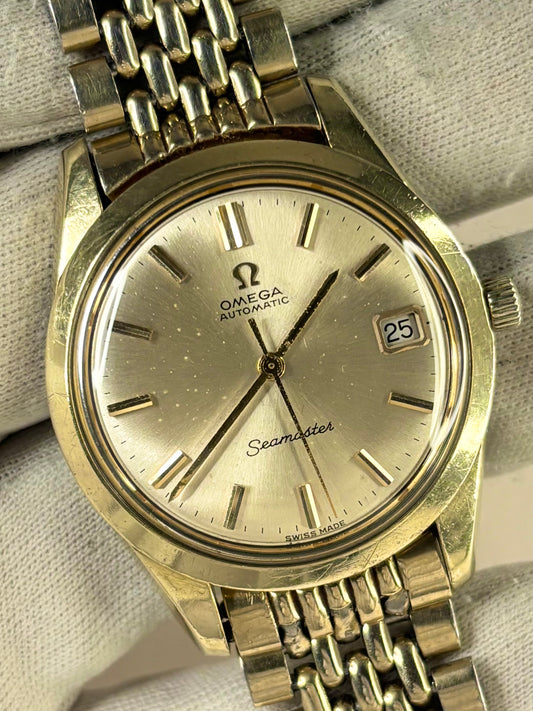
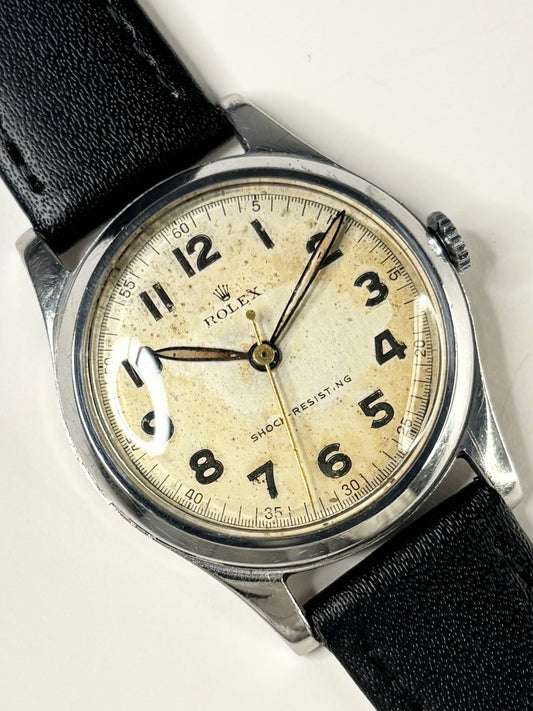
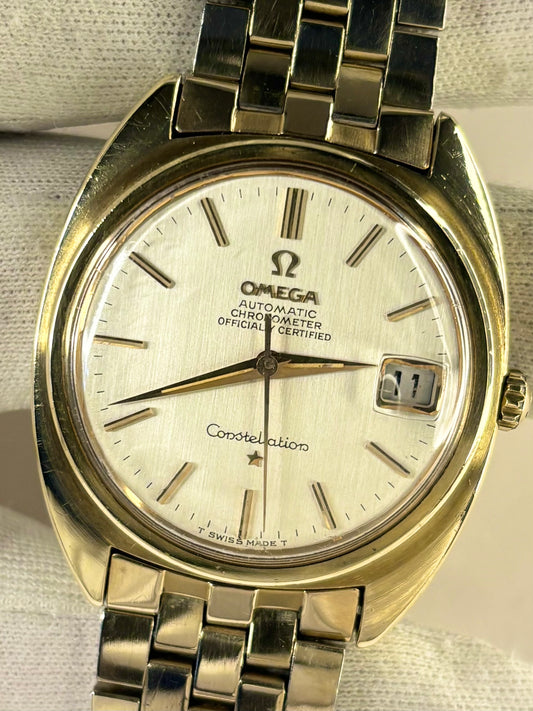
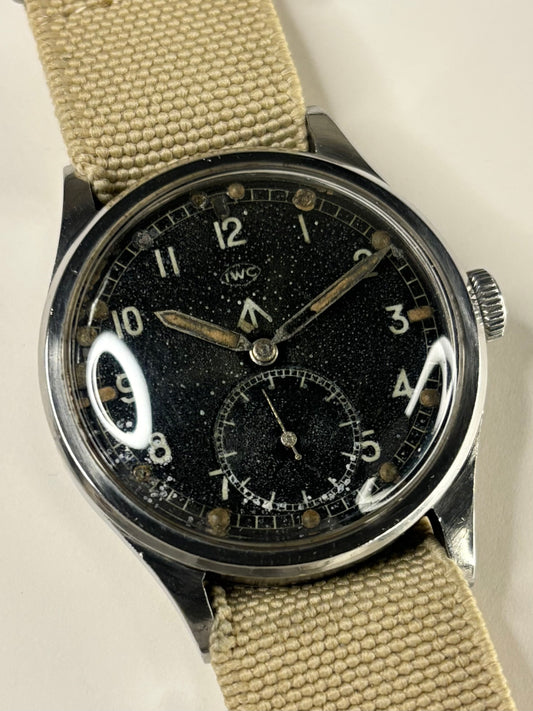
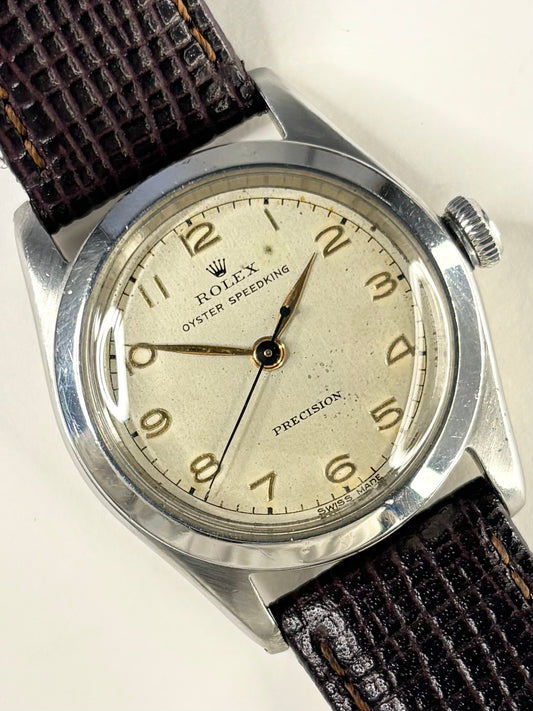
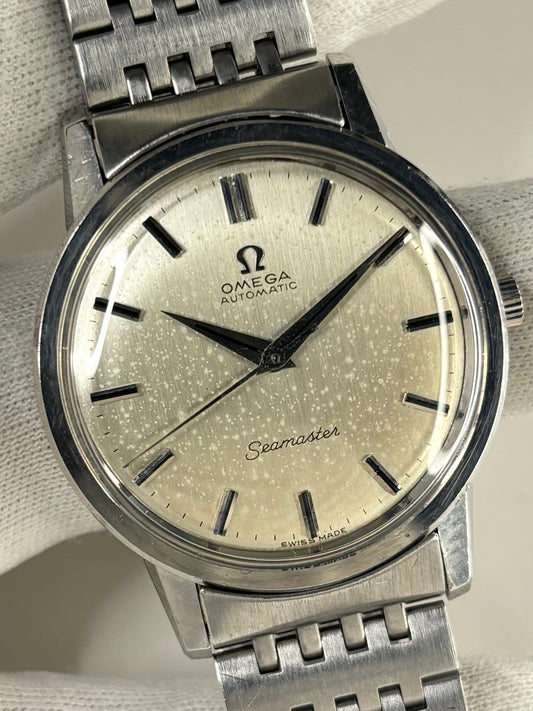
Crazing is the term for a network of very fine, hairline cracks that can develop over time in a watch crystal, particularly an acrylic one. Rather than a single crack from an impact, crazing appears as a mass of tiny, shallow cracks spread across the surface, often giving the crystal a cloudy, hazy, or spidery appearance.
Crazing affects acrylic crystals in particular - the plastic crystals found on so many vintage watches, as we explore in our complete guide to vintage watch crystals. Far from being a mystery, it is a well-understood and very ordinary part of how these crystals age.
What Causes Crazing?

Crazing is essentially a sign of an acrylic crystal ageing. Over many years, acrylic - being a form of plastic - is subject to the slow effects of time and the elements, and these gradually take their toll on the material.
Several factors contribute. Age itself is the main one, as acrylic naturally becomes more brittle and prone to fine cracking over the decades. Exposure to ultraviolet light and sunlight accelerates this, breaking down the acrylic over time. Repeated temperature changes, and exposure to certain chemicals or cleaning products, can also contribute. Over the years, these influences cause the surface of the acrylic to develop the fine network of stress cracks we call crazing. In essence, a crazed crystal is simply one that has lived a long life, and shows it.
Is Crazing a Problem?
Crazing is really a cosmetic issue rather than a serious one. A crazed crystal does not usually affect the running of the watch at all, and the movement and dial beneath are typically unharmed. What crazing does affect is appearance and legibility - a heavily crazed crystal can look cloudy and hazy, and can make the dial harder to read clearly.
It is worth noting, too, that a badly crazed crystal offers less clear protection to the dial, and in more extreme cases the cracking can become more pronounced. So while crazing is not a danger to the watch in the way that, say, moisture would be, it is well worth addressing for both appearance and protection.
Can Crazing Be Fixed?
Here is the genuinely good news. Because crazing affects the crystal rather than the watch itself, dealing with it is usually straightforward.
In cases of very light crazing or surface haziness, it may be possible to improve the appearance by polishing the acrylic crystal, in the same way that light scratches can often be polished out, as we explain in our guide to removing scratches from an acrylic crystal. However, because crazing consists of actual fine cracks in the material rather than mere surface scratches, polishing has its limits, and genuinely crazed crystals often cannot be fully restored by polishing alone.
For anything beyond light surface haziness, the best and most complete solution is simply to replace the crystal. Happily, acrylic crystals are generally inexpensive and straightforward for a watchmaker to replace, and correct-shape replacements are widely available for many watches, as we discuss in our guide to vintage watch crystals. Replacing a crazed crystal with a fresh, clear one can transform the look of a vintage watch beautifully, restoring it to sparkling clarity - a genuinely worthwhile and often very affordable improvement.
Does Crazing Affect Other Crystal Types?
Crazing is primarily a feature of acrylic crystals, because it results from the way plastic ages. Glass crystals - mineral and sapphire - do not craze in the same way, being made of glass rather than plastic, as we discuss in our guides to mineral crystals and sapphire crystals. They can crack or shatter under impact, but they do not develop the characteristic network of fine age cracks that affects acrylic.
So if your watch has a crazed crystal, it is almost certainly an acrylic one - which, happily, is also the type most easily and affordably replaced.
A Genuine Vintage Watch From Our Collection
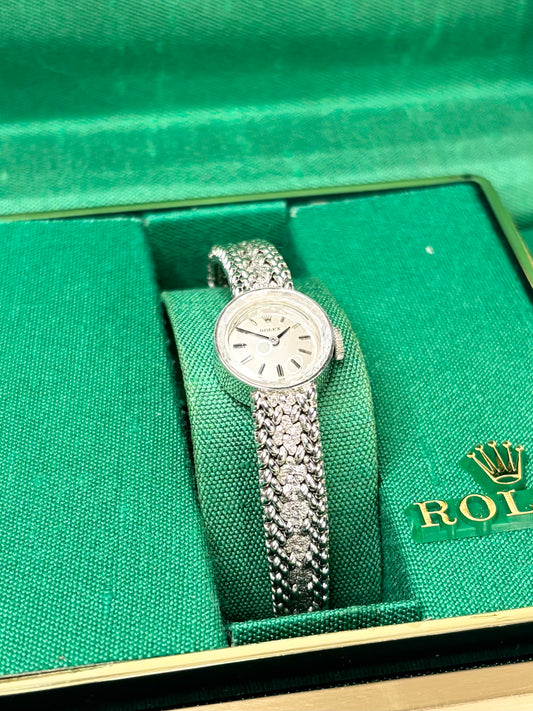
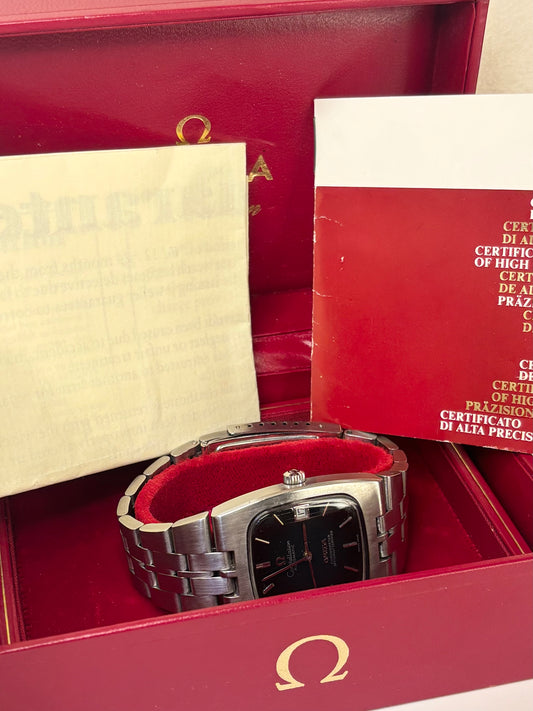
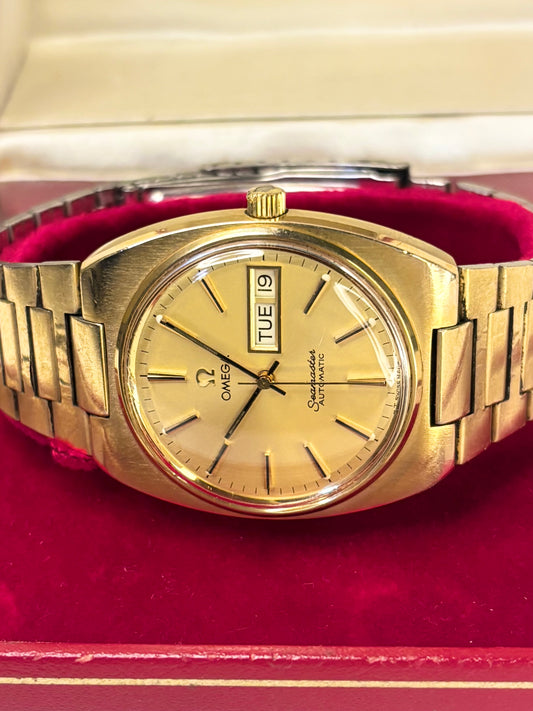
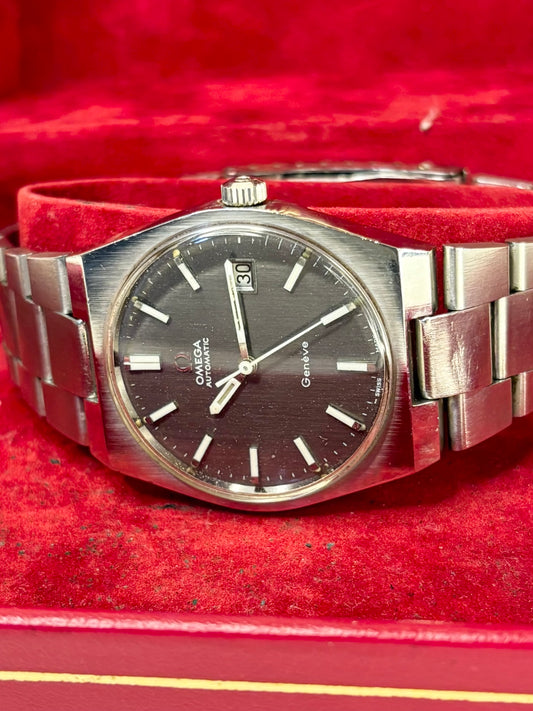
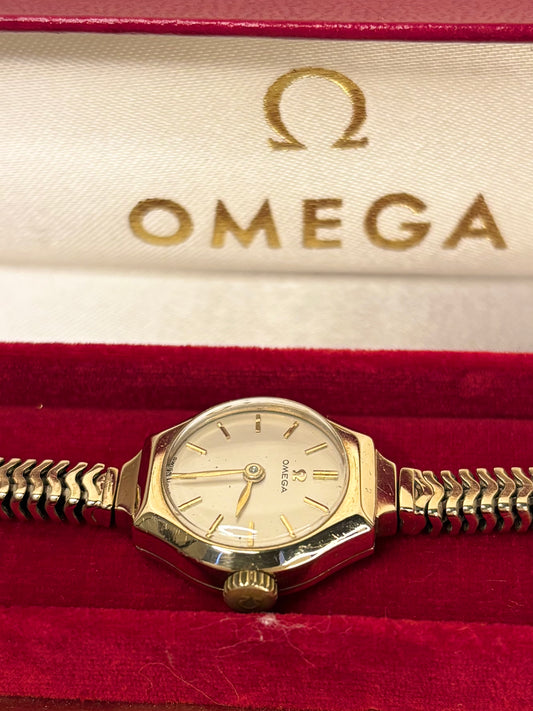
The OMEGA Genève Ladies - Vintage 1970's Manual Gold Dress Watch - Reference 535.025 is a lovely example of a genuine vintage Omega - exactly the kind of characterful timepiece whose acrylic crystal is part of its charm, and which can be kept looking its best with a little care, or a simple crystal replacement if ever needed.
Check out our full vintage watch collection today!
A Final Thought
So, what is crazing on a watch crystal? It is a network of fine, hairline age cracks that develops in acrylic crystals over the years, giving them a cloudy or spidery appearance - a very common and well-understood sign of an old acrylic crystal that has lived a long life. Purely cosmetic rather than serious, and usually easily resolved by replacing the inexpensive acrylic crystal, crazing is nothing to worry about. A fresh, clear crystal can restore a vintage watch to its full beauty in a simple, affordable step.
At AR Collectables, every vintage timepiece in our collection is handpicked, cleaned, and tested. If you have any questions about the crystal on a specific piece, or are looking to buy a vintage watch to treasure, just drop me a message - we would love to help. 🤝