
How Do I Remove Scratches From an Acrylic Watch Crystal? A Simple Guide
One of the great joys of owning a vintage watch with an acrylic crystal is that, unlike modern sapphire or mineral glass, light scratches, often caused by poor storage, can very often be polished out at home - restoring the crystal to clear, glossy condition in just a few minutes. It is one of the most satisfying pieces of vintage watch care there is. So if your vintage timepiece has picked up a few scratches over the decades, here is a simple, practical guide to bringing it back to life.
First - Is It Really an Acrylic Crystal?

Before you begin, it is worth making sure your watch actually has an acrylic crystal, because this method works only on acrylic - not on mineral or sapphire glass, whose scratches cannot be polished out this way.
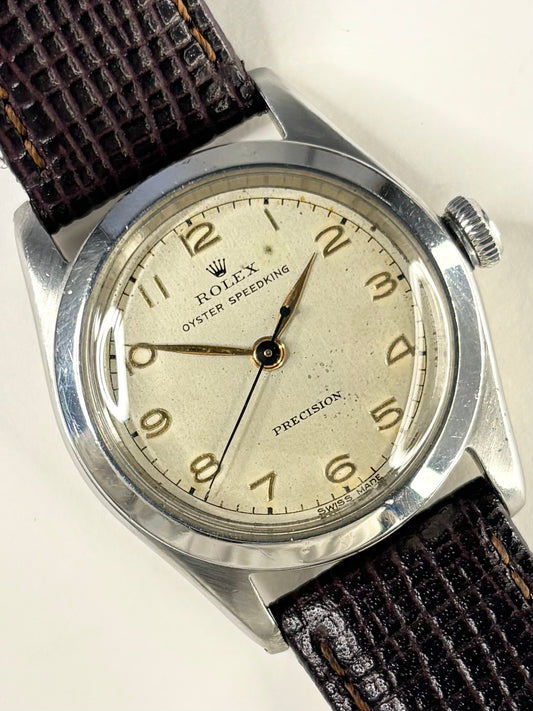
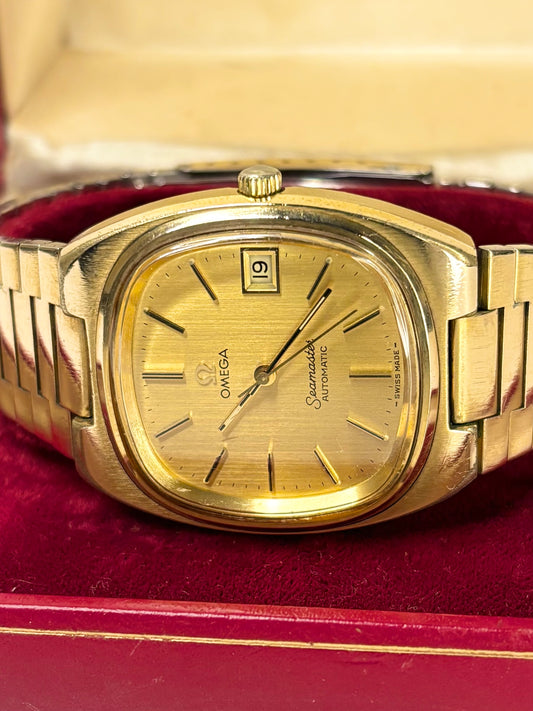
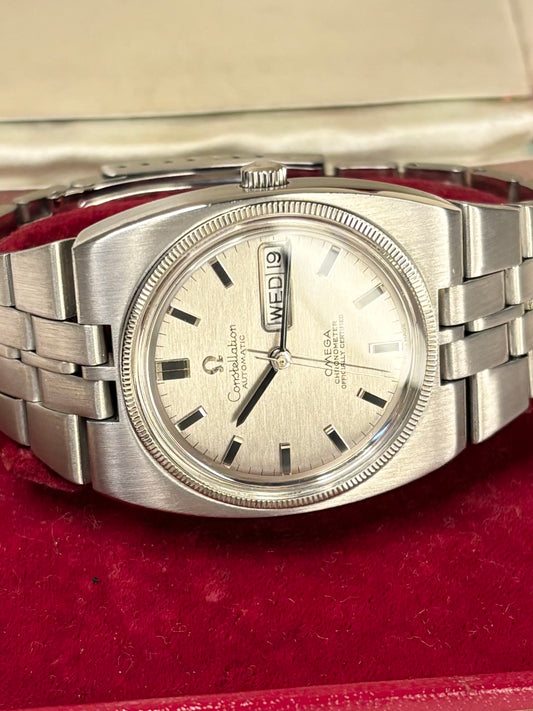
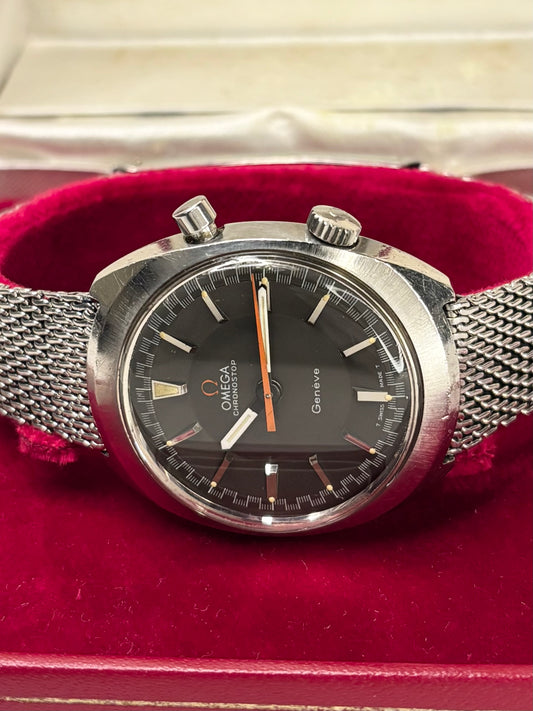
As we explain in our guide to acrylic, mineral, and sapphire crystals, acrylic is the crystal found on the overwhelming majority of vintage watches from the 1940s through to the 1970s, so if you own a vintage timepiece from these decades, the odds are strongly in your favour. Acrylic also tends to have a slightly warmer, softer look than glass, often with a gentle dome, and it feels marginally warmer to the touch. If you are unsure, a watchmaker can confirm it in seconds - and it is worth checking, as polishing paste used on the wrong crystal will simply be ineffective.
What You Will Need
The good news is that removing scratches from an acrylic crystal requires very little. You will need a proprietary plastic polishing paste designed for the purpose - the best known is Polywatch, a small tube of which lasts for years, though other acrylic polishing compounds work well too. You will also need a couple of soft, clean, lint-free cloths - microfibre is ideal - and a little patience. That really is all.
It is worth stressing the importance of using a paste made specifically for acrylic or plastic crystals. Ordinary metal polishes or abrasive household products can cloud or damage the surface, so it pays to use the right product for the job.
Step by Step - Polishing Out the Scratches
The process itself is simple and genuinely satisfying.
Begin by cleaning the crystal gently with a soft cloth, so that no dust or grit remains on the surface to cause further scratching as you work.
Next, apply a small amount of the polishing paste directly onto the crystal - a little goes a long way, so a modest blob is plenty.
Then, using a clean section of soft cloth, rub the paste into the crystal using firm pressure in small circular motions. Work steadily across the whole crystal, spending a little extra time over the more noticeable scratches. This is where the patience comes in - keep working the paste in for a couple of minutes, and you will begin to feel and see the surface improving.
Once you have worked the area thoroughly, buff the crystal clean with a fresh, dry section of cloth, removing all the residue. Inspect the result in good light - and you should see the light scratches noticeably reduced or gone entirely, with the crystal looking clearer and glossier.
For deeper or more stubborn scratches, simply repeat the process a second or even third time. Acrylic responds very well to this kind of gentle, repeated polishing, and most everyday scratches can be dealt with completely.
What About Deep Scratches or Cracks?
It is worth being realistic about the limits of home polishing. Light and moderate surface scratches will usually polish out beautifully. Very deep gouges, however, or any actual cracks in the crystal, are a different matter - these generally cannot be polished away, and the crystal will need replacing instead.
Replacing an acrylic crystal is a straightforward and inexpensive job for a watchmaker, and as we mention in our guide to vintage watch servicing costs, it is often done as part of a routine service. If you do have the crystal replaced, it is worth asking for a correct period-style acrylic crystal rather than a modern alternative, to keep your vintage timepiece true to its original character.
A Word of Care
A couple of gentle cautions are worth bearing in mind. Take care not to get polishing paste into the gaps around the edge of the crystal or into the case, and avoid the case and dial themselves - you are working on the crystal alone. Work on a watch that is fully wound down and, ideally, keep the process away from the crown and case openings, since the crystal also forms part of the watch's seal against moisture. On which note, remember that a vintage watch should always be treated as not waterproof, as we explain in our guide to whether vintage watches are waterproof - so keep water well away throughout.
If you have any doubts at all, or the watch is particularly valuable, there is no shame in leaving the job to a professional watchmaker - but for most vintage timepieces with everyday scratches, this is a genuinely easy and rewarding thing to do yourself.
A Final Thought
Being able to polish scratches out of an acrylic crystal is one of the small pleasures of vintage watch ownership - a simple, satisfying way to keep your timepiece looking its best, and something you simply cannot do with modern sapphire glass. With nothing more than a tube of polishing paste, a soft cloth, and a few minutes of patience, you can restore a scratched crystal to clear, glossy condition and rediscover your watch at its finest.
At AR Collectables, every vintage timepiece in our collection is handpicked, cleaned, and tested. If you have any questions about caring for your watch, or are looking to buy a vintage watch with genuine period character, just drop us a message - we would love to help. 🤝
Check out our full vintage watch collection today!