
What is a Watch Crystal? The Complete Guide to Vintage Watch Crystals
The crystal is the clear cover that protects the dial of a watch - and while it is easy to overlook, it plays a genuine role in both how a watch looks and how it is protected. On vintage watches in particular, the type and condition of the crystal tell you a great deal, and understanding crystals is genuinely useful, whether you are buying, caring for, or restoring a vintage timepiece. This guide brings together everything you need to know.
What is a Watch Crystal?
The crystal is the transparent cover that sits over the dial of a watch, protecting it from dust, moisture, and damage while allowing you to read the time. Despite the name, a watch crystal is not made of crystal in the gemstone sense - the term simply refers to the clear protective cover, whatever material it is made from.
Over the history of watchmaking, crystals have been made from three main materials - acrylic, mineral glass, and sapphire - each with its own characteristics, and each commonly found on different watches and eras. Understanding the differences is genuinely useful, so let us look at each in turn.
Acrylic Crystals

The acrylic crystal is the type most commonly found on vintage watches, and for good reason. Acrylic - essentially a form of high-quality plastic, sometimes called Perspex or Hesalite - was the standard crystal material for much of the twentieth century, and it has genuine virtues.
Acrylic is lightweight, shatter-resistant, and can be formed into lovely domed shapes, giving many vintage watches their characteristic warm, slightly domed look. Its greatest practical virtue is that scratches can very often be polished out entirely, as we explain in our guide to removing scratches from an acrylic crystal - so a scratched, cloudy acrylic crystal can frequently be restored to sparkling clarity at home. Its main limitation is that it scratches relatively easily in the first place, though this is offset by how easily those scratches can be removed. For the vintage watch lover, acrylic is a genuine part of the period charm.
Mineral Crystals
The mineral crystal is made from hardened glass, and it became increasingly common from the later twentieth century onwards. Mineral glass is considerably harder than acrylic, and so more resistant to scratching, while remaining relatively affordable.
The trade-off is that, being glass, a mineral crystal is more prone to cracking or shattering under a hard impact than a shatter-resistant acrylic one, and scratches in mineral glass cannot simply be polished out in the way acrylic scratches can. Mineral crystals offer a genuine middle ground - harder and more scratch-resistant than acrylic, though without acrylic's shatter-resistance or easy repairability.
Sapphire Crystals
The sapphire crystal is the hardest and most scratch-resistant of all, and it is found on many modern watches. Made from synthetic sapphire, it is extraordinarily hard - virtually impossible to scratch in normal wear - and it has a wonderfully clear, premium quality.
Sapphire is the most expensive of the three materials, and while it is exceptionally scratch-resistant, it can, like mineral glass, potentially crack or shatter under a sufficiently hard impact. On vintage watches, genuine sapphire crystals are less common than acrylic, being more associated with later and higher-end pieces. Where present, a sapphire crystal is a genuine mark of quality.
Domed Crystals and Vintage Character
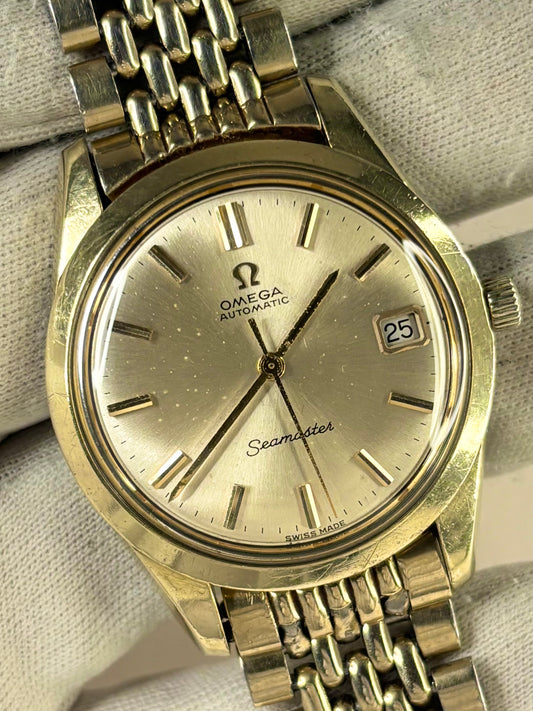
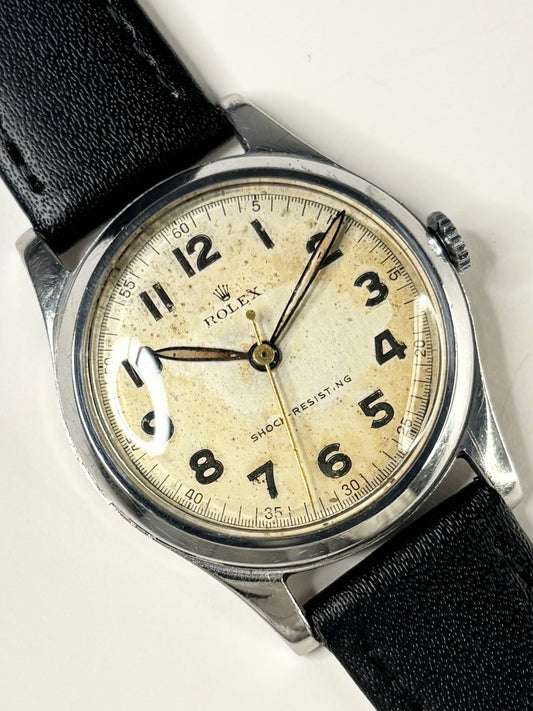
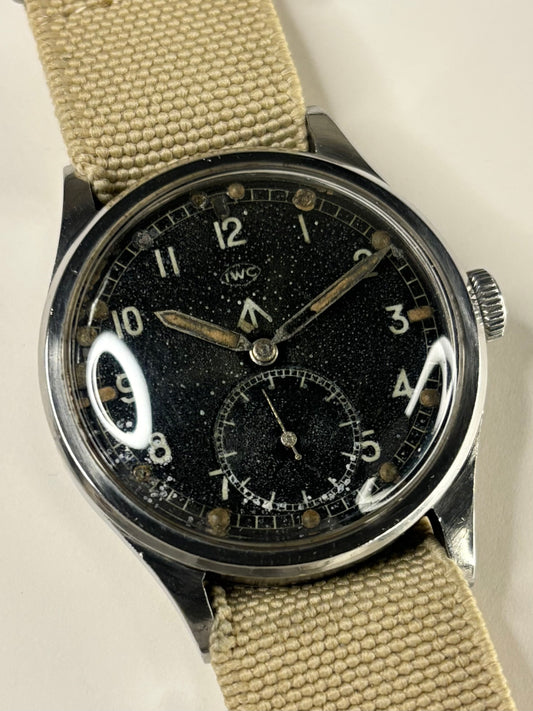
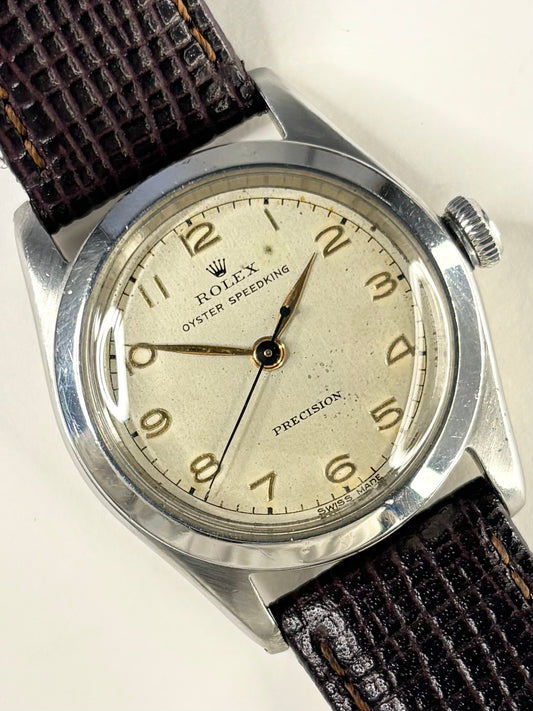
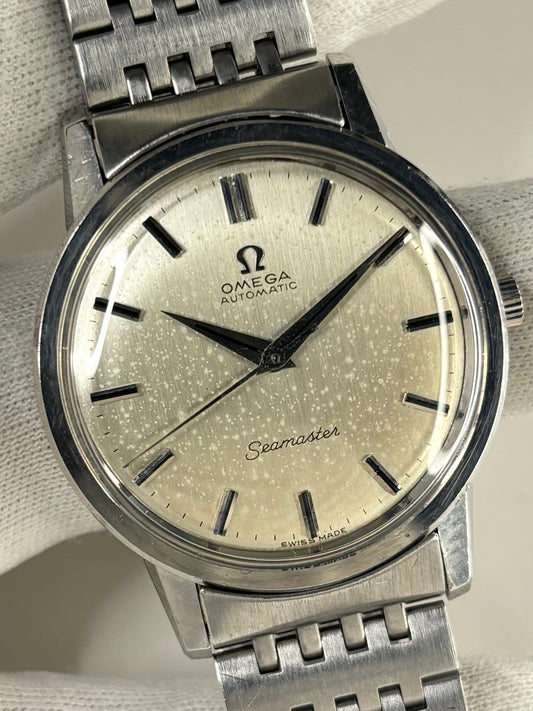
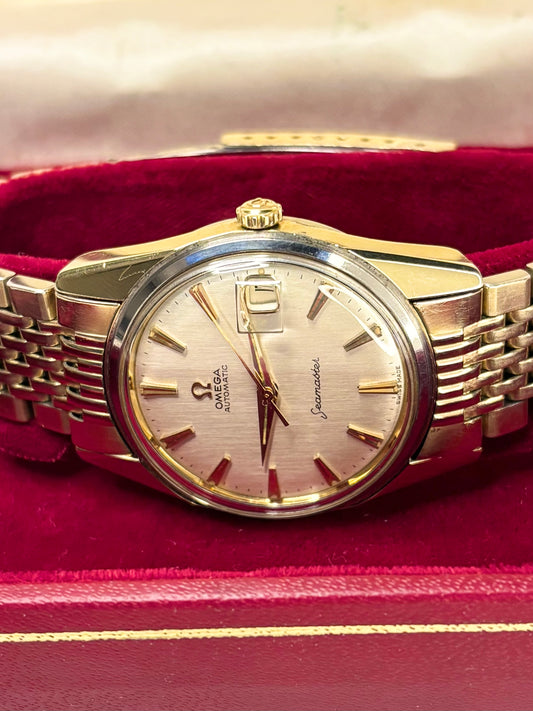
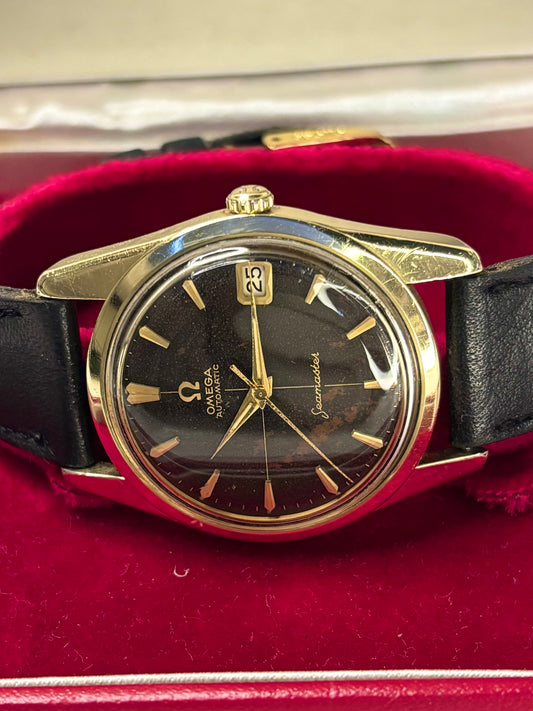
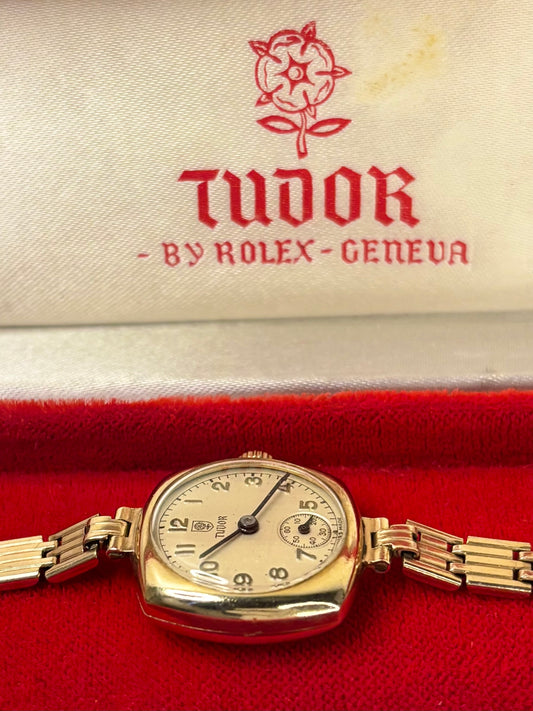
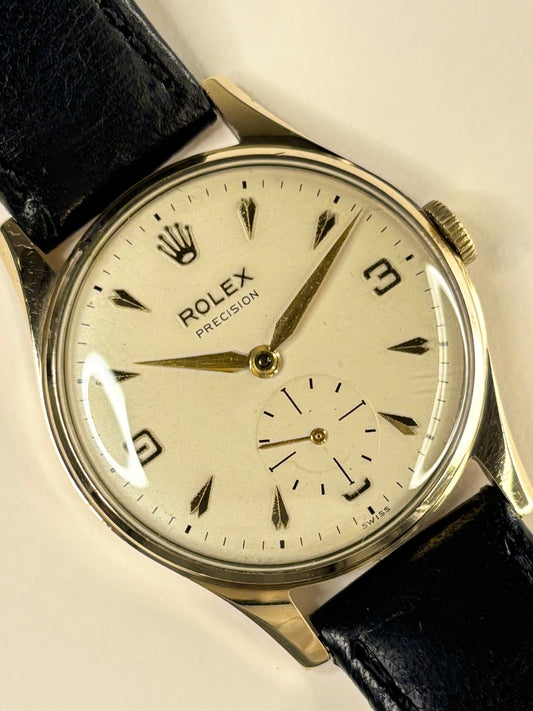
One of the loveliest aspects of vintage watch crystals is the domed crystal, particularly in acrylic. Many vintage watches feature crystals that rise in a gentle dome above the case, rather than sitting flat.
These domed crystals give vintage watches a genuinely lovely character - a warm, period-correct look, with beautiful distortion and play of light around the edges as you tilt the watch. The domed acrylic crystal is, for many collectors, a defining part of the charm of a vintage timepiece, and a large part of why vintage watches have such a distinctive and appealing look compared with flatter modern designs.
Can a Vintage Watch Crystal Be Replaced?
A common and practical question is whether a damaged vintage watch crystal can be replaced - and the good news is that, in most cases, yes. A cracked, heavily scratched, or badly damaged crystal can usually be replaced by a watchmaker, often relatively affordably, restoring the watch to its best.
For acrylic crystals, replacement is generally straightforward, and correct-shape replacements are widely available for many watches - though, as noted, light scratches can often simply be polished out rather than requiring replacement at all. For mineral and sapphire crystals, replacement is also possible, though the correct crystal must be sourced. A good watchmaker can advise on the best course, as we discuss in our guide to finding a good watchmaker - and replacing a tired crystal can transform the look of a vintage watch beautifully.
A Genuine Vintage Watch From Our Collection
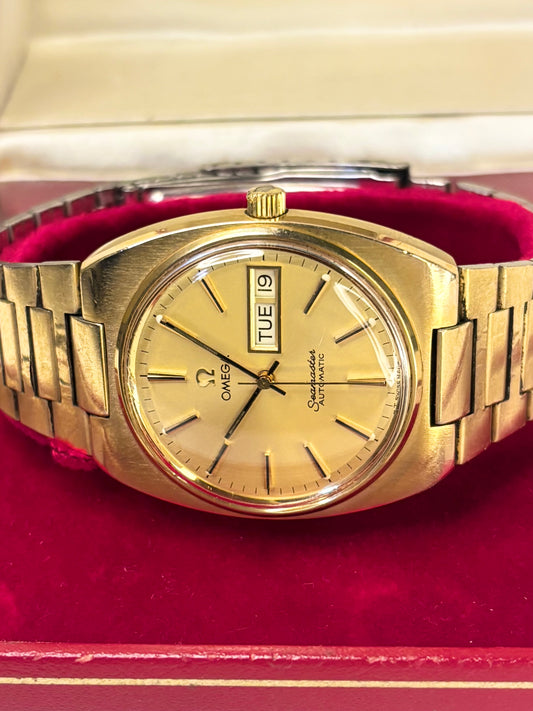
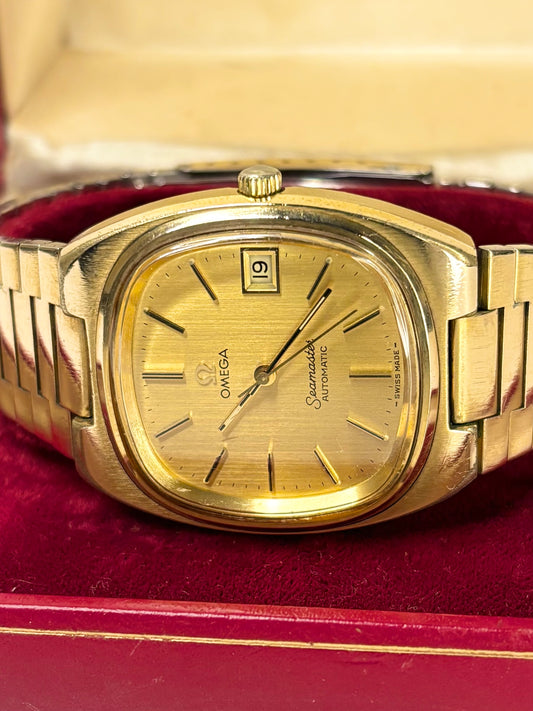
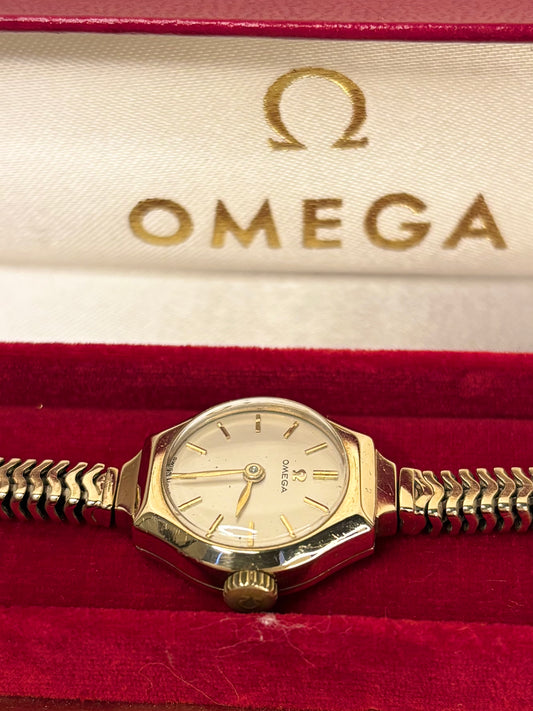
The OMEGA Genève Ladies - Vintage 1970's Manual Gold Dress Watch - Reference 535.025 is a lovely example of a genuine vintage Omega - exactly the kind of characterful timepiece whose crystal is a genuine part of its vintage charm, and which rewards a little care to keep looking its best.
Check out our full vintage watch collection here!
A Final Thought
The crystal is the clear guardian of a watch's dial, and understanding the three great types - acrylic, mineral, and sapphire - is genuinely useful for any vintage watch lover. From the warm, polishable charm of vintage acrylic to the hardness of mineral and the premium clarity of sapphire, each has its own character and virtues. Whether you are choosing a watch, caring for one, or considering a replacement, understanding crystals helps you appreciate and look after your timepiece all the better.
At AR Collectables, every vintage timepiece in our collection is handpicked, cleaned, and tested. If you have any questions about the crystal on a specific piece, or are looking to buy a vintage watch to treasure, just drop us a message - we would love to help. 🤝