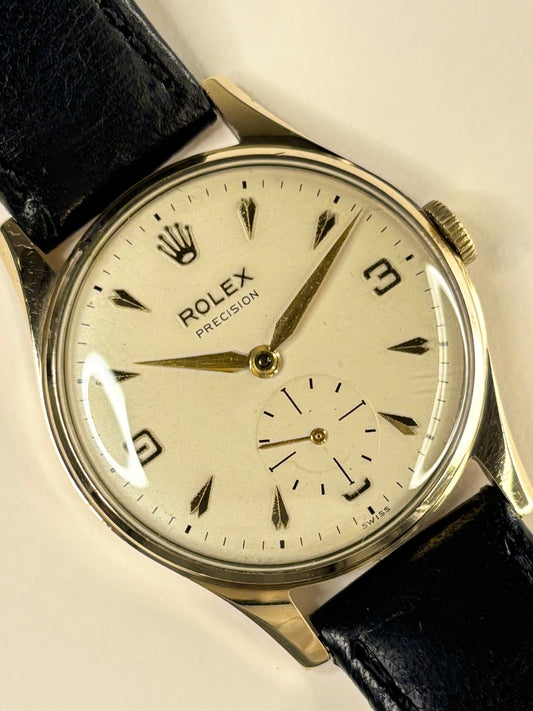

The History of Automatic Watch Movements - How Self-Winding Changed Watchmaking Forever
The dream of a watch that wound itself through the natural movement of its wearer's wrist is considerably older than most people realise - The story of the automatic movement is one of the most compelling in all of watchmaking history. It spans two and a half centuries, involves some of the most brilliant minds the craft has ever produced, and ultimately gave the world some of the most iconic and collectable vintage timepieces ever made. Here is how it all happened.
The First Spark - Perrelet and the Self-Winding Pocket Watch
The idea of a self-winding watch did not begin with the wristwatch. It began with the pocket watch - and it began in Switzerland in the 1770s.
Abraham-Louis Perrelet, a watchmaker working in Le Locle, is widely credited as the first person to successfully create a self-winding pocket watch mechanism. His design used a weighted oscillating rotor - a small mass that would swing back and forth as the wearer moved, transferring that motion into energy to wind the mainspring. The principle was elegant and entirely sound. Walking, Perrelet calculated, would be sufficient to keep his watch wound indefinitely.
The great Abraham-Louis Breguet - perhaps the most celebrated watchmaker in history - took an interest in Perrelet's idea and refined it further in the years that followed, producing his own self-winding pocket watches of extraordinary quality. Breguet called them perpetuelle watches - a name that hints at the almost magical quality of a timepiece that never seemed to need attention.
But there was a fundamental problem that neither Perrelet nor Breguet could fully overcome. A pocket watch, sitting in a waistcoat pocket, does not move very much. The wearer needs to be genuinely active - walking at pace, moving with purpose - for the mechanism to wind the mainspring adequately. A sedentary wearer would find the watch had run down by morning. The self-winding pocket watch was a brilliant idea in search of the right application - and that application would not arrive for another century and a half.
John Harwood and the First Self-Winding Wristwatch
The wristwatch changed everything. Strapped to the wrist, a watch moves constantly - with every gesture, every step, every turn of the hand. The wrist is, it turns out, the perfect place for a self-winding mechanism. All that was needed was someone to make it work reliably in a wristwatch-sized case.
That someone was John Harwood, a British watchmaker working in the years following the First World War. Harwood had observed that watch repairs were frequently needed because winding crowns - the small knob used to manually wind a watch - allowed dust and moisture to enter the case. He reasoned that a watch with no crown at all - one that wound itself - would be more robust and reliable in everyday use.
Harwood patented his self-winding wristwatch design in 1923 and began production in 1928, working with a Swiss manufacturer to produce his movements in commercial quantities. His design used a pivoting weighted rotor that swung through a limited arc - bumping against small buffers at either end of its travel, hence what would later become known as the bumper mechanism - to wind the mainspring.
The Harwood self-winding watch was a genuine landmark in watchmaking history. It proved the concept worked in a wristwatch, and it demonstrated that there was real demand for a watch that looked after itself. But Harwood's company, unfortunately, was hit hard by the Great Depression and went out of business in 1931 before it could fully capitalise on the invention.
The baton, however, had been passed - and it was picked up by one of the most famous names in watchmaking.
Rolex and the Oyster Perpetual

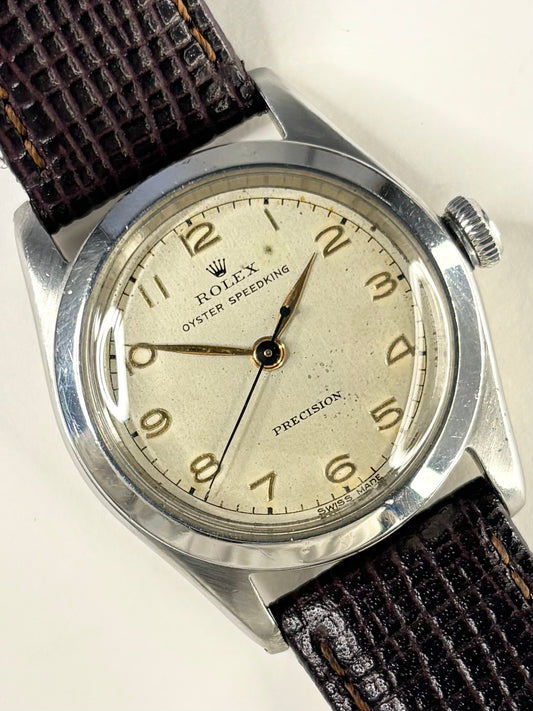
In 1931, Rolex introduced a movement that would change the course of watchmaking history - the Oyster Perpetual. It was not the first self-winding wristwatch, but it was the first to solve the fundamental mechanical challenges of the format in a way that was truly reliable, robust, and suitable for mass production.
The key innovation in Rolex's design was the full 360-degree rotor. Where Harwood's mechanism had used a rotor that swung through a limited arc, Rolex's perpetual rotor could spin freely in a complete circle in either direction, winding the mainspring continuously regardless of how the wrist moved. It was a simpler and more efficient design - more energy was captured from the wearer's movements, and the bumpers that had limited earlier designs were eliminated entirely. The earliest of these watches are referred to as 'bubble back' Rolex watches - Check out our full discussion on Bubble Backs for more information on this!
Combined with Rolex's Oyster case - the world's first truly waterproof wristwatch case, introduced in 1926 - the Perpetual movement created a timepiece of extraordinary practicality and reliability. The Oyster Perpetual became the foundation on which Rolex built their entire sports watch range - the Submariner, the Explorer, the GMT-Master all owe their existence to the perpetual movement that debuted in 1931.
For a vintage watch collector, an early Rolex Oyster Perpetual from the 1930s or 1940s is a genuinely significant and beautiful object - a direct piece of the history of automatic watchmaking.
Browse our collection of vintage Rolex's today!
The Bumper Era - 1940s and 1950s
Through the 1940s and into the 1950s, the automatic wristwatch became increasingly widespread across the Swiss watch industry - and the most common form it took during this period was the bumper automatic.
A bumper automatic uses a weighted rotor that swings back and forth through a limited arc - typically around 120 degrees - rather than rotating continuously. At either end of its travel, the rotor strikes small spring buffers, producing the gentle, characteristic thudding sound that bumper automatic owners know and love. Give a bumper automatic a gentle shake and you can hear it clearly - a soft, rhythmic knock that is one of the most distinctively charming sounds in vintage watchmaking.
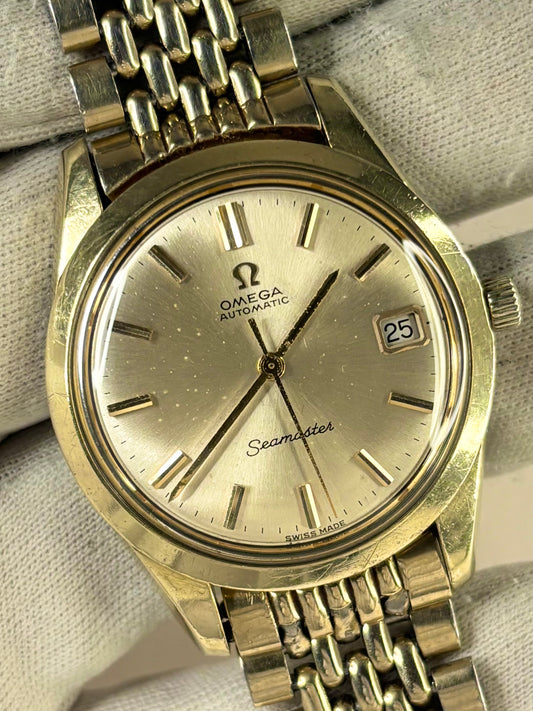
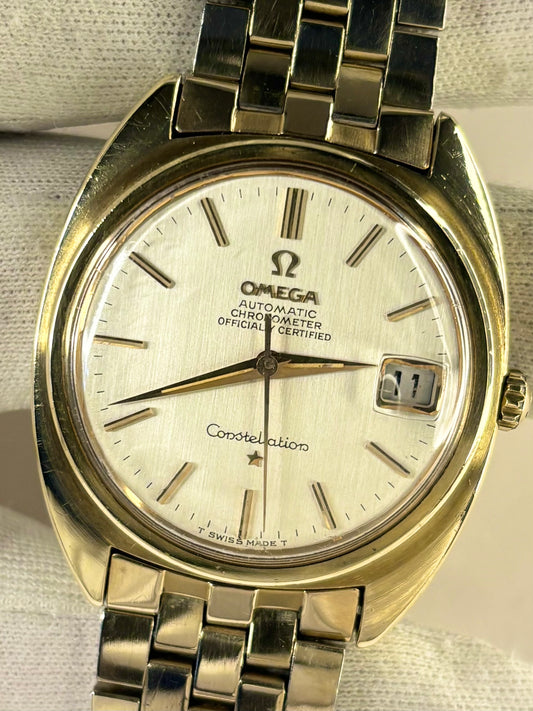
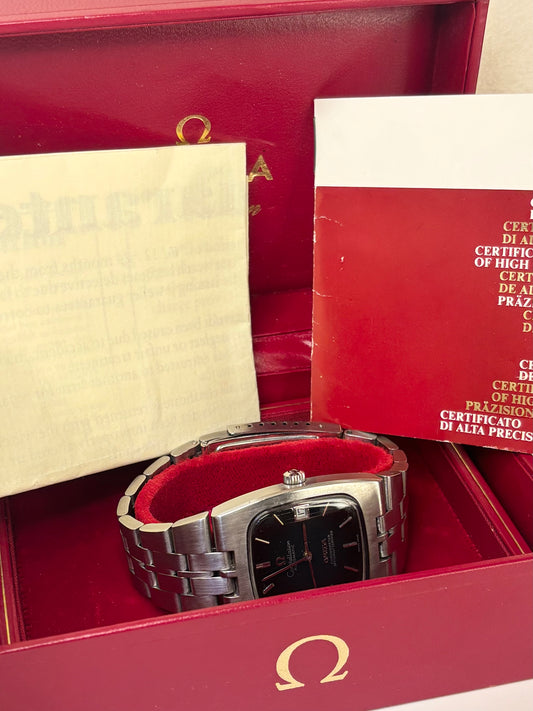
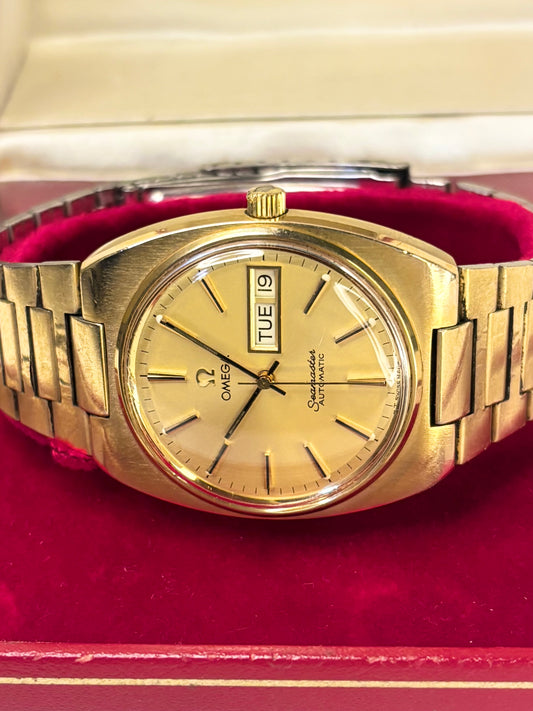
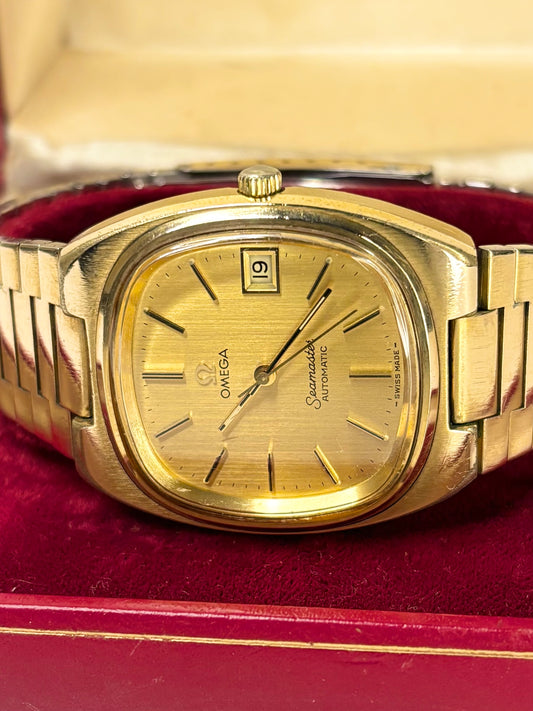
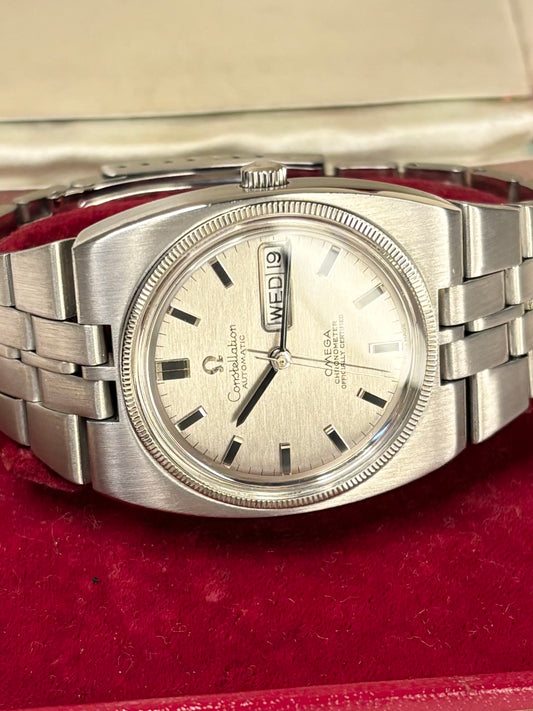
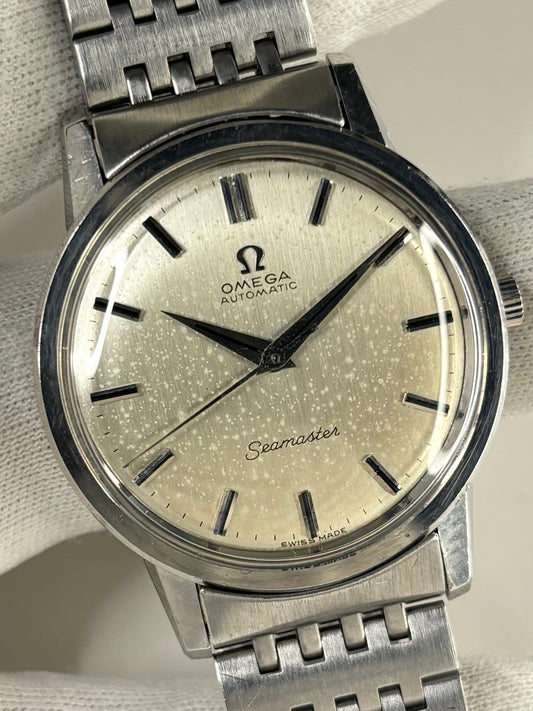
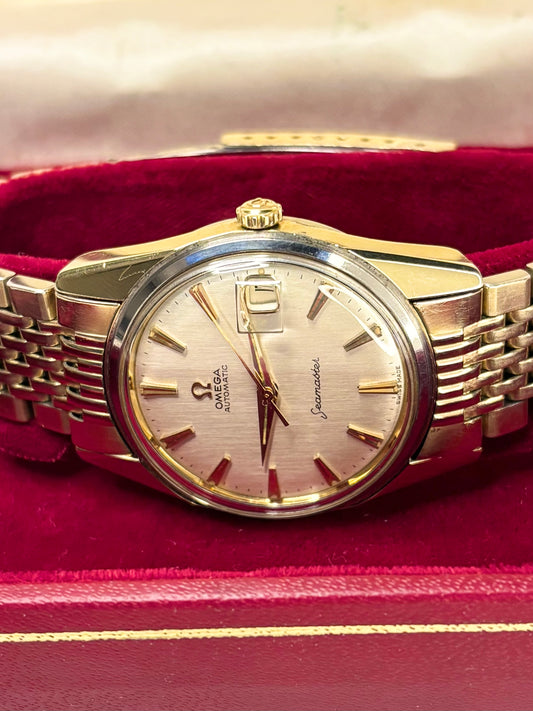
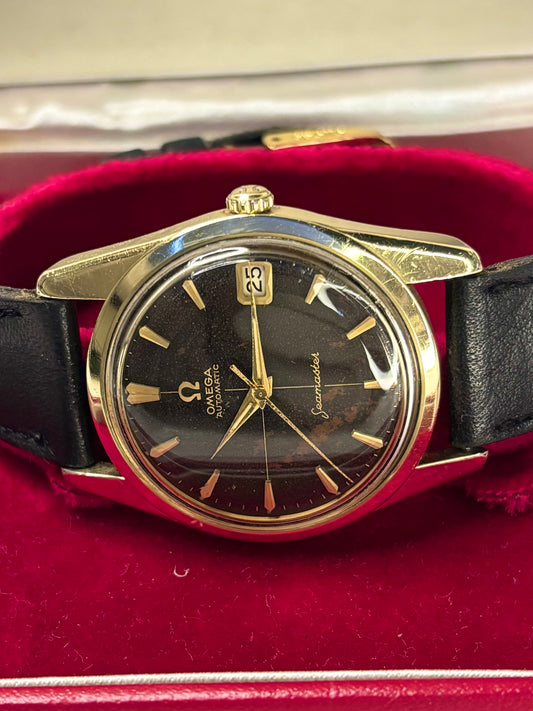
Omega produced some of the finest bumper automatic calibres of this era. Their calibre 342 and 351, fitted to Seamaster and Constellation models of the early-to-mid 1950s, are beautifully made movements - well-finished, reliable, and carrying that wonderful bumper character that makes them so endearing to collectors today. A 1950s Omega with a bumper automatic movement is a timepiece with a very particular and very special personality.
The bumper design was eventually superseded by more efficient full-rotor movements, but its moment in the history of automatic watchmaking is a significant and thoroughly charming one.
The Golden Era - 1950s and 1960s Automatics

The two decades from the mid-1950s to the mid-1960s represent the golden era of the vintage automatic movement - the period in which the format reached its full maturity and produced some of the most beautiful and collectable timepieces ever made.
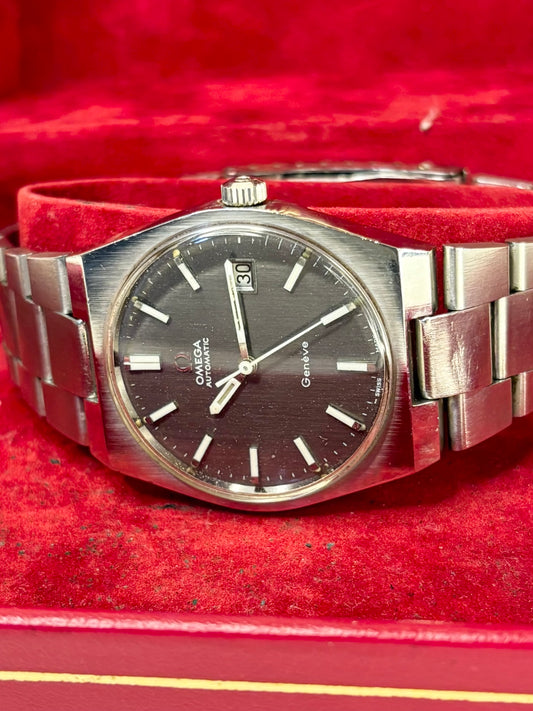
By this point, the full-rotor automatic had become the dominant format. Movements were thinner, more reliable, and more accurate than ever before. The great Swiss manufacturers were competing fiercely on the quality and finishing of their calibres, typically featuring 25 jewels, or 21 jewels, and the results were extraordinary.
Omega's calibre 552 and 561, introduced in the late 1950s and powering the Seamaster and Constellation ranges through the 1960s, are among the finest automatic movements ever produced. Beautifully finished, exceptionally accurate, and housed in some of the most elegant vintage watch cases of the era, these calibres represent automatic watchmaking at its very best.
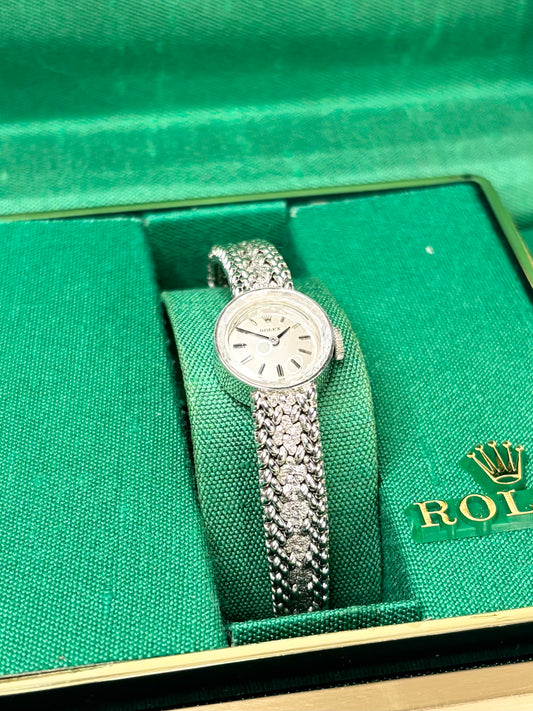
Rolex, meanwhile, was refining and developing their perpetual movements with the same relentless attention to quality that had characterised the brand from the beginning. A vintage Rolex from this period - a Submariner, a Datejust, an Explorer - carries a movement that has been engineered to last, and many examples are still running perfectly today after more than sixty years of service.
Browse our vintage Omega collection today!
The Micro-Rotor - Elegance Taken to its Logical Conclusion
Running in parallel with the mainstream development of the automatic movement through the 1950s and 1960s was a more rarefied pursuit - the quest for the slimmest possible automatic watch.
The rotor presented a fundamental challenge to slim watch design. A full-sized rotor, sitting above the movement and spinning in a complete circle, inevitably added height to the overall package. For manufacturers trying to produce the thinnest possible dress watches, this was a real constraint.
The solution was the micro-rotor - a small, dense rotor made from a heavy metal like platinum or gold, sunk into the movement itself rather than sitting above it. The micro-rotor wound the mainspring just as effectively as a full-sized rotor, but its integration into the movement plane allowed for cases of extraordinary thinness.
Buren, a Swiss manufacturer, pioneered the micro-rotor in the late 1950s, and their ultra-thin automatic calibres were subsequently used by a number of prestigious watch brands throughout the 1960s. Finding a vintage timepiece from this era with a micro-rotor movement is a genuine treat - it is one of the most ingenious solutions watchmaking has ever produced to a very specific problem.
Why Collectors Love Automatic Movements Today

The automatic movement occupies a uniquely satisfying position in the world of vintage watch collecting - it offers the full romance and craft of mechanical watchmaking with the everyday practicality of a watch that looks after itself.
Wear a vintage automatic timepiece daily and it will stay wound without any conscious effort on your part, due to the strong power reserve. The movement responds to your activity, storing the energy of your daily life and returning it as the steady, reassuring tick of a mechanical timekeeper on your wrist. There is something genuinely lovely about that relationship between wearer and watch.
And then there is the rotor - that small spinning weight that is the heart of the whole system. On many vintage automatic watches, the movement is partially visible through an exhibition caseback, and watching the rotor spin freely as the watch moves is one of the small, quiet pleasures of mechanical watch ownership that never really gets old.
A well-chosen vintage automatic - a 1960s Omega Seamaster, a vintage Rolex Datejust, or any number of less celebrated but equally beautiful pieces - is a timepiece that will reward its owner for decades. Serviced and cared for, these movements were built to last essentially indefinitely, and the best of them are still performing exactly as intended after sixty or seventy years.
That is not a feature any quartz watch can offer. And it is why the automatic movement, against all the odds, is still very much with us today.
At AR Collectables, we have a deep appreciation for the history and craftsmanship behind every automatic vintage timepiece in our collection, as we mention in our complete guide to vintage watch movements. If you want to know more about the movement inside a specific watch, just drop us a message - we love talking about this stuff. 🤝
Browse our full collection of vintage automatic timepieces today!