
The Complete Guide to Vintage Watch Movements - Manual, Automatic and Quartz Explained
The movement is the beating heart of a watch - the intricate mechanism that measures time and drives the hands around the dial. It is also one of the most important things to understand as a collector, because the type, quality, and condition of a movement tell you a great deal about a vintage watch. Yet for many people, the world of watch movements can seem daunting and technical. It needn't be. This guide brings it all together - a clear, complete introduction to vintage watch movements, and a gateway to the more detailed guides we have written on each aspect.
What is a Watch Movement?
The movement - sometimes called the calibre - is the mechanism inside a watch that keeps time and powers the hands, and any other functions the watch may have. Everything else, the case, the dial, the hands, exists to house, display, and protect the movement within.
In the world of vintage watches, there are three main types of movement to understand - manual-wind, automatic, and quartz. Each works in a fundamentally different way, each has its own character and history, and understanding the differences is one of the most useful foundations a collector can have. Let us look at each in turn.
Manual-Wind Movements

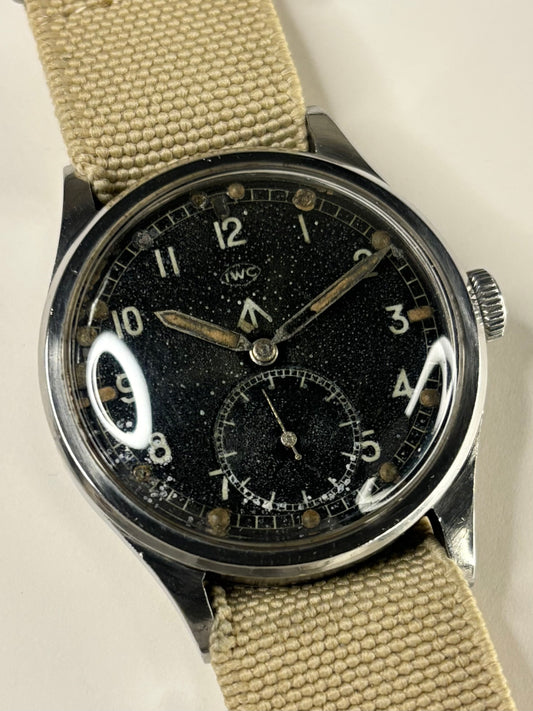
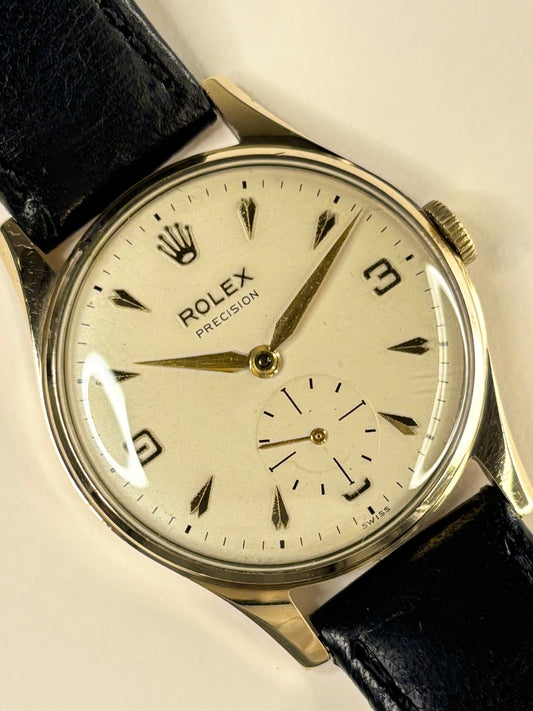
The manual-wind movement is the oldest and most traditional type, and for many collectors it is the purest expression of watchmaking. A manual, or hand-wound, movement is powered by a mainspring that the wearer winds by hand, turning the crown to store energy that is then released steadily to drive the watch.
There is something wonderfully engaging about a manual-wind watch - the daily ritual of winding it, the direct connection to the mechanism, and the traditional character it embodies. Manual movements also tend to be slimmer than automatics, which is why so many elegant vintage dress watches are hand-wound. We explore this traditional mechanism in full in our guide to the history of manual-wind movements.
Automatic Movements

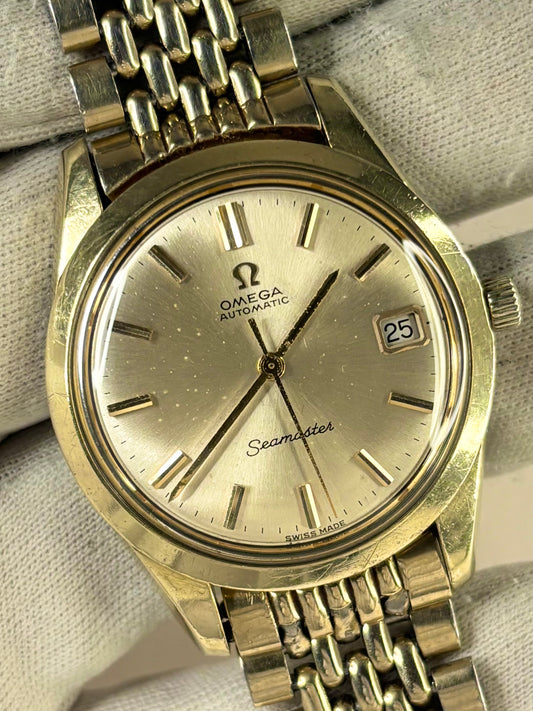
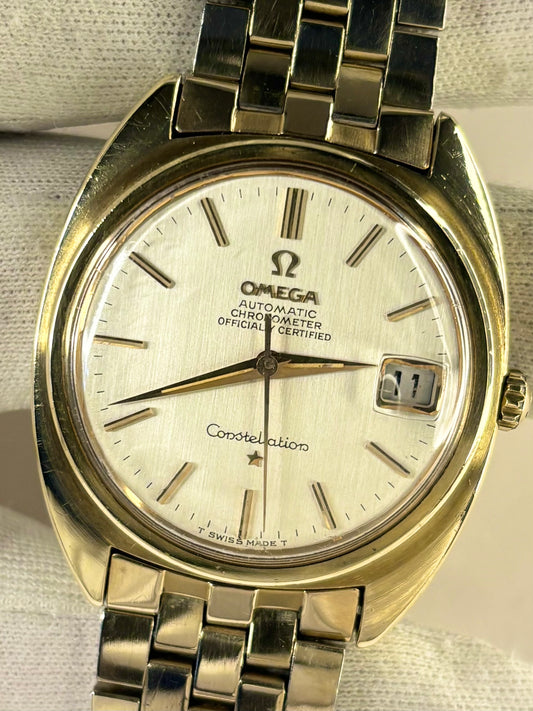
The automatic, or self-winding, movement was one of the great innovations in watchmaking. An automatic watch winds itself using the natural motion of the wearer's wrist - a weighted rotor inside the movement swings as the wrist moves, winding the mainspring automatically, so that a watch worn regularly never needs hand-winding due to the strong power reserve.
This ingenious mechanism brought real convenience, and it became enormously popular through the mid-twentieth century. The story of its development is a fascinating one, from the early breakthroughs to the refined automatic movements of the 1950s and 1960s, and we tell it in full in our guide to the history of automatic movements. An interesting early chapter in that story is the bumper automatic, a charming transitional design we cover in our guide to bumper automatic watches.
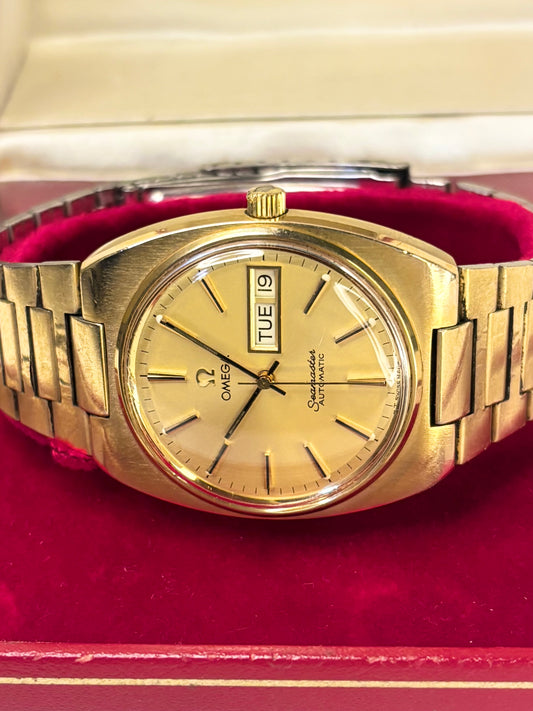
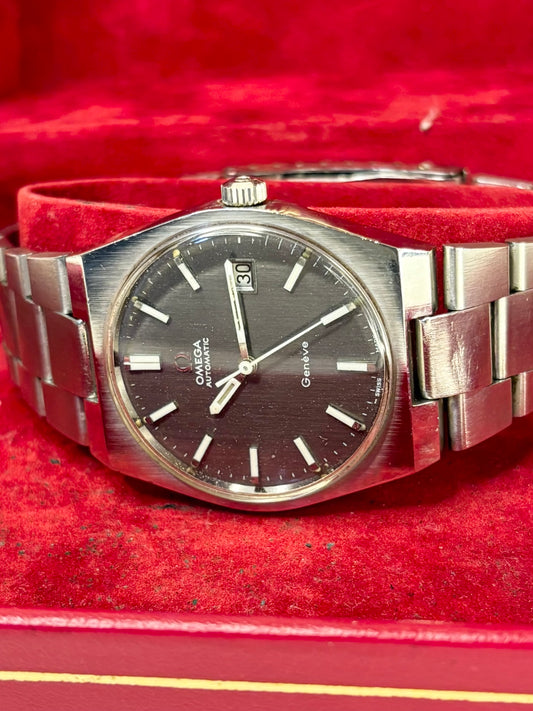
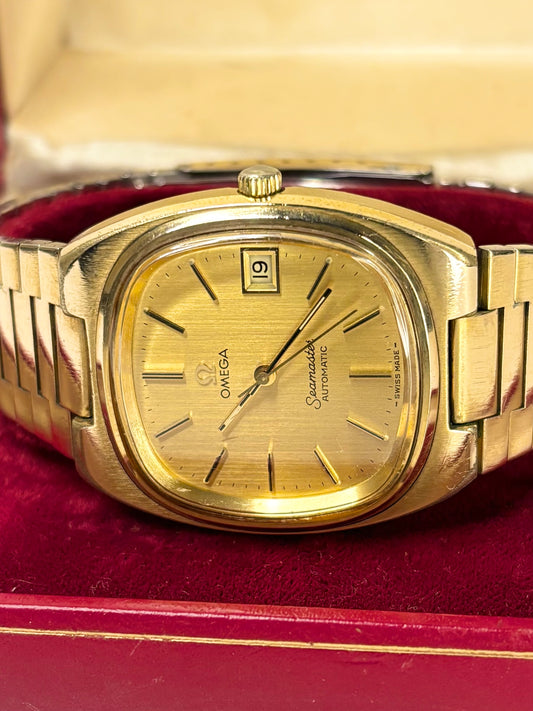
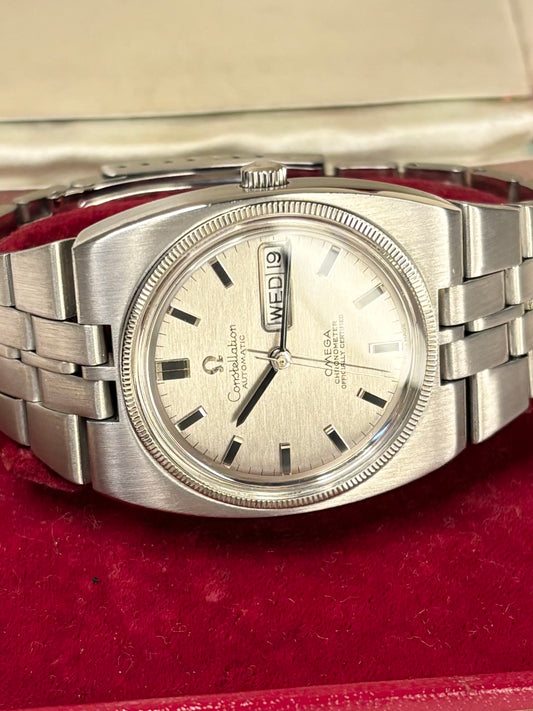
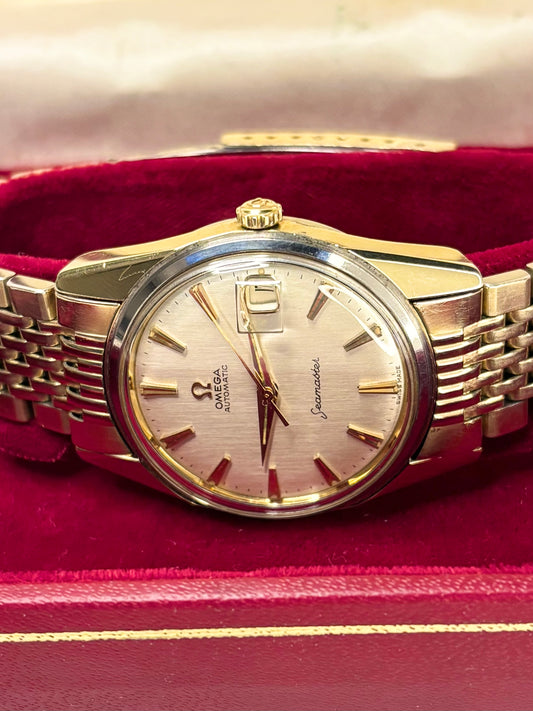
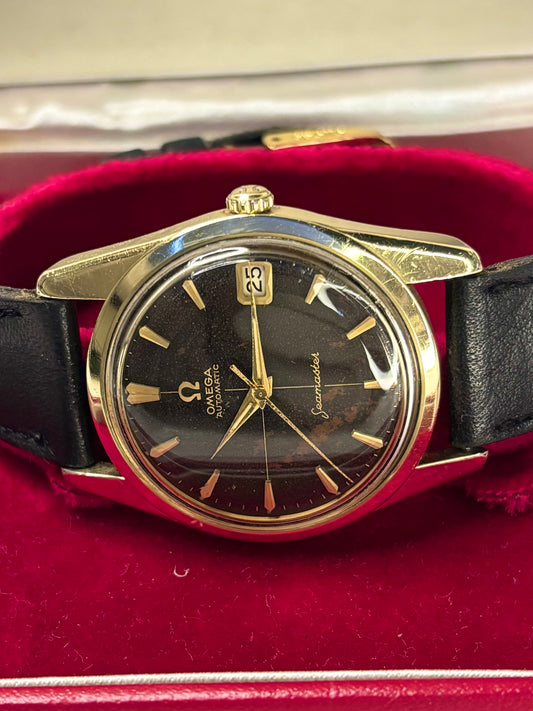
The OMEGA Genève - Vintage 1970's Automatic Day-Date Gold Dress Watch - Reference 166.0188 is a lovely example of a quality vintage automatic - a genuine vintage Omega powered by exactly the kind of fine self-winding movement that made these watches so beloved.
Quartz Movements

The quartz movement represented the single biggest revolution in the history of watchmaking. Rather than a mainspring and balance wheel, a quartz watch uses a tiny quartz crystal, which vibrates at an extraordinarily precise frequency when an electric current from a battery is passed through it. This makes quartz watches vastly more accurate than mechanical ones, and far cheaper to produce.
When quartz arrived in the late 1960s and 1970s, it transformed the industry completely, in what became known as the quartz crisis - or quartz revolution, depending on your point of view. We tell this dramatic story in full in our guide to the history of quartz watches. While mechanical watches are more prized by collectors today, vintage quartz watches from respected makers have their own genuine appeal, and some early examples are increasingly collectable.
How Movements Affect a Vintage Watch
Understanding movements matters for several practical reasons that every collector should know.
The type of movement shapes the character of the watch - the traditional engagement of a manual, the convenience of an automatic, or the accuracy of a quartz. It can also help with dating, as the shift from sub-seconds to central seconds and the arrival of automatics and quartz all correspond to particular periods, as we discuss throughout our decade-by-decade dating guides.
The quality of the movement is a genuine mark of a watch's worth. A fine movement from a respected maker - such as the celebrated calibres we discuss in our guide to vintage Omega movements - is beautifully made, reliable, and a joy to own. The number of jewels in a movement is part of this quality picture too.
And the condition of the movement is crucial. A movement that has been well maintained runs accurately and reliably, while a neglected one may lose time or need attention, as we discuss in our guides to vintage watch accuracy and servicing. This is why buying a watch that has been properly tested matters so much.
Movement Features and Complications
Beyond the basic type, movements can include additional features and complications. A hacking seconds mechanism, which stops the seconds hand for precise time-setting, is one such feature. Others include date and day-date displays, and the stopwatch function of a chronograph. Each adds capability - and complexity - to the movement.
What to Look for in a Vintage Movement
When assessing a vintage watch, the movement deserves real attention. Ideally, it should be a genuine, correct calibre for that model and era - not a replacement from another watch, which is a sign of a marriage or franken watch, as we discuss in our guide to frankenwatches. It should be running well and keeping reasonable time, and on a quality watch it should be cleanly finished and correctly signed.
Above all, a movement that has been properly serviced and tested is what you want. At AR Collectables, every vintage timepiece is cleaned and tested for timekeeping over a 24-hour period before listing, so you can buy with confidence.
A Final Thought
The movement is the heart of every watch, and understanding the three great types - manual, automatic, and quartz - is one of the most rewarding foundations a collector can build. Each has its own character, history, and appeal, and learning to appreciate what lies beneath the dial adds a whole new dimension to the enjoyment of vintage watches.
At AR Collectables, every vintage timepiece in our collection is cleaned, tested, and honestly described. If you would like to know more about the movement in a specific piece, or are looking to buy a vintage watch with a fine, well-maintained movement, just drop us a message - we would love to help. 🤝
Check out our full vintage watch collection today!