
What is a Power Reserve on a Watch? A Simple Guide to Vintage Watch Power
If you have spent any time around mechanical watches, you will have come across the term power reserve - and it is a genuinely useful thing to understand, particularly when it comes to vintage watches. It affects how you wear your watch, how well it keeps time, and how you care for it. But what exactly is a power reserve, how does it work, and what should you know about it on a vintage timepiece? Here is everything you need to know.
What is a Power Reserve?
The power reserve is the amount of time a mechanical watch will continue to run after it has been fully wound, before it stops and needs winding again. Think of it as the watch's fuel tank - once filled, the power reserve is how long the watch will keep going before it runs out of energy.
A mechanical watch stores its energy in a coiled spring called the mainspring. As this spring slowly unwinds, it releases energy that drives the watch, and the power reserve is simply a measure of how long that stored energy lasts. When the mainspring is fully wound, the watch has a full power reserve; as it unwinds through the day, the reserve gradually depletes.
How Long is a Typical Power Reserve?
For most vintage watches, the power reserve is somewhere in the region of around 24 to 36 hours from a full wind, though this varies from movement to movement. Some run a little less, some a little more, but a day and a bit of running time from a full wind is fairly typical for a vintage timepiece.
This is worth knowing because it explains a common experience - if you set a vintage watch down on a Friday evening and pick it up on Sunday, you will very often find it has stopped. That is not a fault; it is simply the power reserve running out, exactly as it should.
Power Reserve in Manual and Automatic Watches
The power reserve works slightly differently depending on whether your vintage watch is manual-wind or automatic, as we explore in our guides to the history of manual-wind and automatic movements.
In a manual-wind watch, you top up the power reserve yourself by winding the crown. To keep a manual watch running, you need to wind it regularly - ideally at the same time each day - to keep the mainspring wound and the power reserve topped up. Once you stop winding, the reserve depletes and the watch eventually stops.
In an automatic watch, the power reserve is replenished automatically by the motion of your wrist as you wear it, thanks to the self-winding rotor inside. As long as you wear an automatic watch regularly, it keeps itself wound and running. However - and this is the key point for automatics - if you take the watch off and leave it unworn, there is nothing to keep it wound, so the power reserve depletes and the watch stops. This is why an automatic watch left in a drawer for a couple of days will be found stopped, and will need winding and resetting when you come back to it.
Why the Power Reserve Matters for Timekeeping
Here is a genuinely useful point that connects the power reserve to how well your watch performs. A mechanical watch tends to keep its best time when the mainspring is well wound and delivering strong, consistent power.
As the power reserve runs down and the mainspring approaches the end of its wind, the power delivered to the movement can become weaker and less consistent, which may cause the watch to lose a little accuracy. This is why, as we discuss in our guide to how accurate a vintage watch should be, keeping a watch well wound is one of the simple things you can do to help it keep the best possible time. For a manual watch, a full daily wind helps; for an automatic, regular daily wear does the job.
A Note on Winding and Care
A couple of practical points are worth knowing. With a manual-wind vintage watch, wind it gently and stop as soon as you feel firm resistance - this indicates the mainspring is fully wound, and forcing it further risks damage. With an automatic, you can usually give the crown a few manual turns to start it after it has stopped, before putting it on.
It is also worth remembering that a watch stopping when its power reserve runs out is completely normal and does no harm at all. If, however, a watch seems to have a much shorter power reserve than it should - stopping after only a few hours, say - that can be a sign that the movement needs attention, as we discuss in our guide to vintage watch servicing.
A Genuine Vintage Automatic From Our Collection

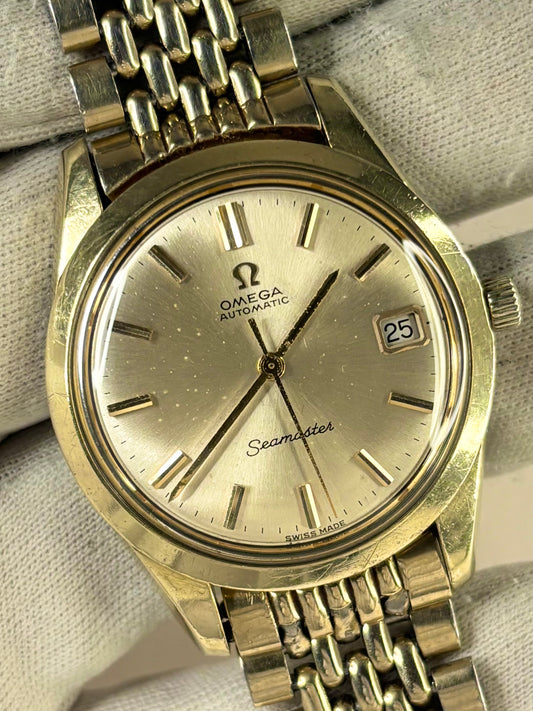
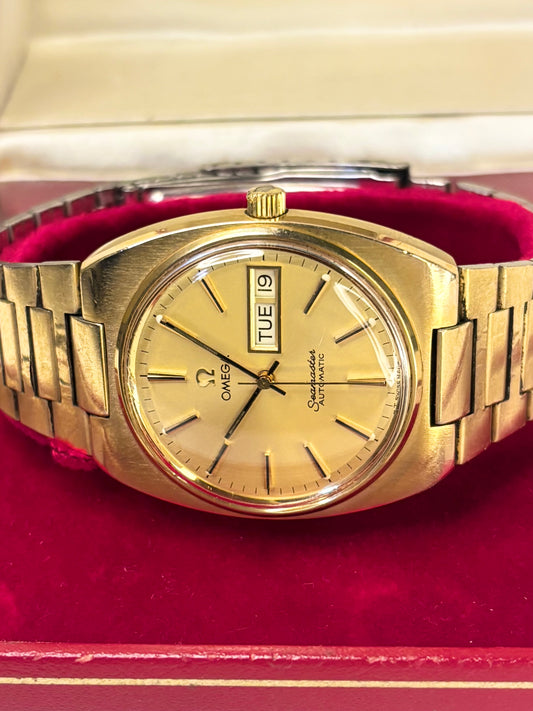
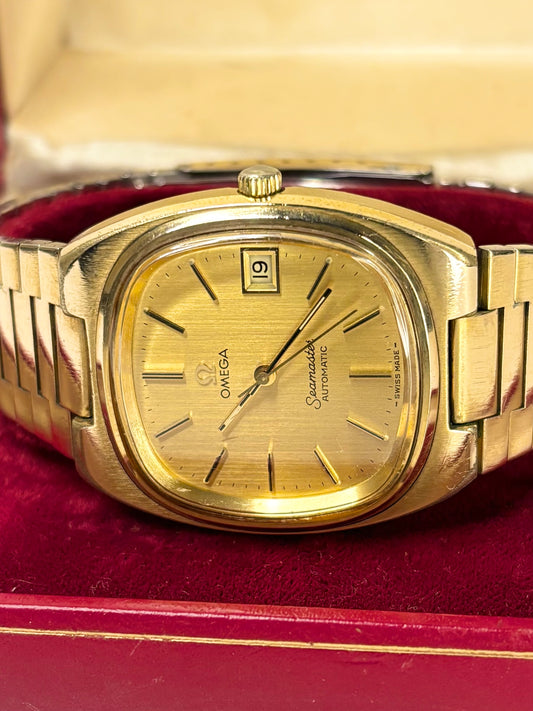
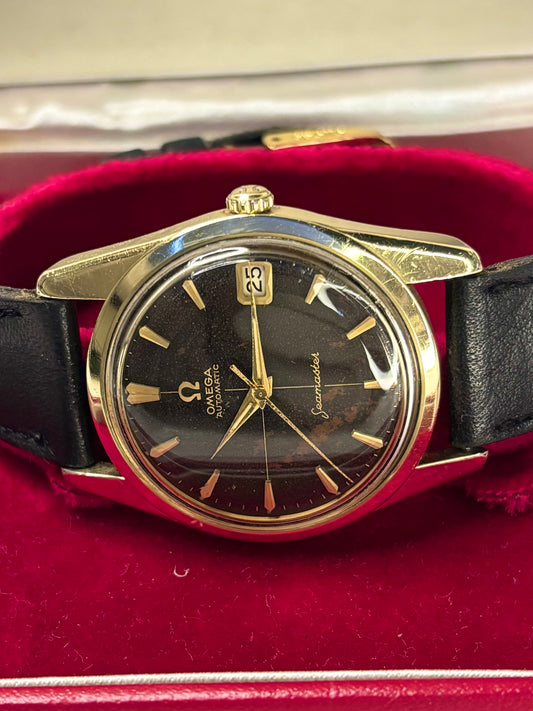
The OMEGA Seamaster - Boxed Vintage 1970's Automatic Gold Watch - Reference 166.0216 is a lovely example of a quality vintage automatic - a genuine vintage Omega Seamaster whose self-winding movement keeps itself powered through the motion of the wrist, exactly as described above.
Check out our full vintage watch collection today!
A Final Thought
The power reserve is one of those fundamental concepts that, once understood, makes owning a vintage watch far more intuitive. It explains why your watch stops when set aside, why keeping it wound helps it keep good time, and how manual and automatic watches differ in daily use. It is simply the watch's fuel tank - and understanding it is part of the pleasure of living with a mechanical timepiece.
At AR Collectables, every vintage timepiece in our collection is cleaned, tested, and honestly described. If you have any questions about caring for your watch, or are looking to buy a vintage watch with a healthy, well-running movement, just drop us a message - we would love to help. 🤝
Check out our full vintage watch collection today!