
Do Vintage Watches Hold Their Value? Everything You Need to Know
It is one of the most common questions asked by anyone considering buying their first vintage watch - and honestly, it is exactly the right question to be asking. Buying a vintage timepiece is not a trivial purchase, and understanding how these objects behave in terms of value over time is an important part of making a confident, informed decision.
The short answer is yes - quality vintage watches have historically held their value extremely well, and in many cases appreciated significantly over time. But as with most things in life, the full picture is a little more nuanced than that, and knowing what drives value retention in the vintage watch market will make you a considerably better buyer.
Why Vintage Watches Tend to Hold Their Value
Before getting into the specifics, it is worth understanding why vintage watches behave differently from most consumer purchases when it comes to value.
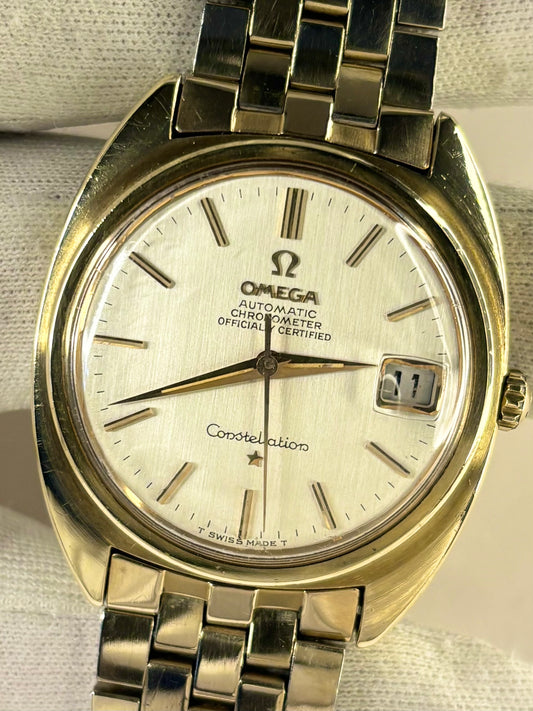
The vast majority of things we buy - cars, electronics, clothing - depreciate the moment we own them. They are either consumable, replaceable, or subject to obsolescence. A vintage watch is none of these things. A well-made mechanical timepiece from the 1950s or 1960s does not become obsolete. It does not wear out if properly maintained. And crucially, it cannot be reproduced - a genuine vintage Omega Constellation from 1959 is a finite object. No factory is making more of them. That scarcity, combined with growing collector demand over recent decades, creates the conditions for strong and consistent value retention.
There is also the quality argument. The vintage watches that hold their value best were made to extraordinary standards - standards that, in many cases, modern equivalents produced at similar price points do not match. When a buyer understands what they are actually getting in terms of materials, craftsmanship, and movement quality, the value proposition becomes very clear.
Which Vintage Watches Hold Their Value Best?
Not all vintage watches are equal when it comes to value retention, and being honest about this matters.
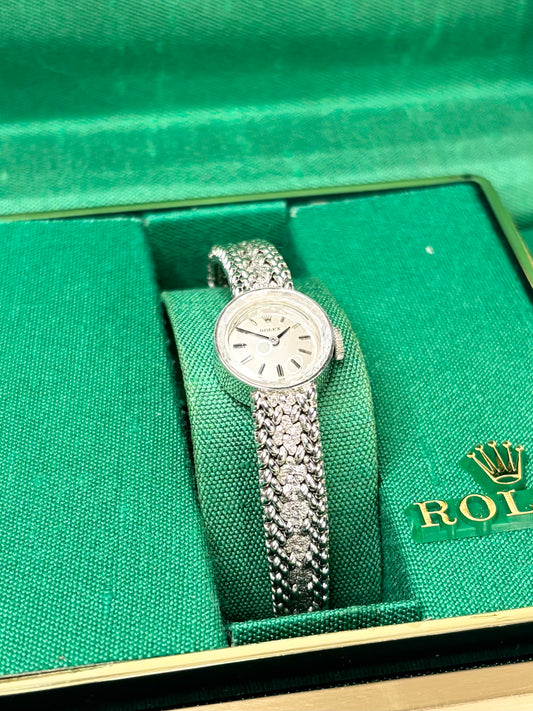
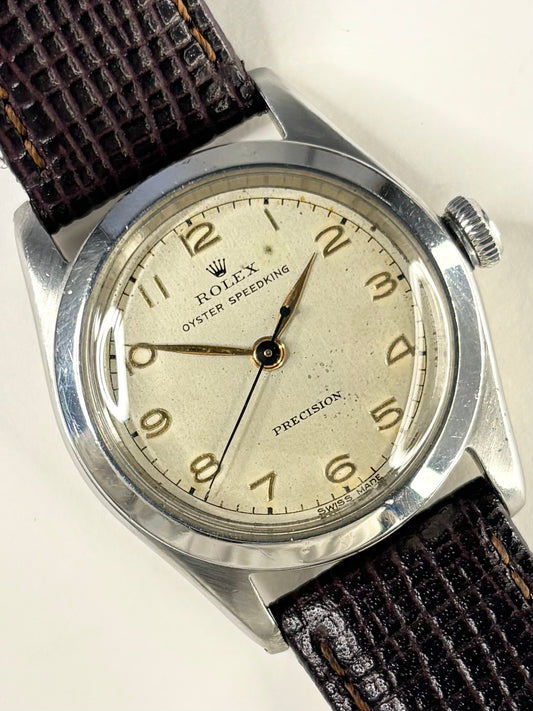
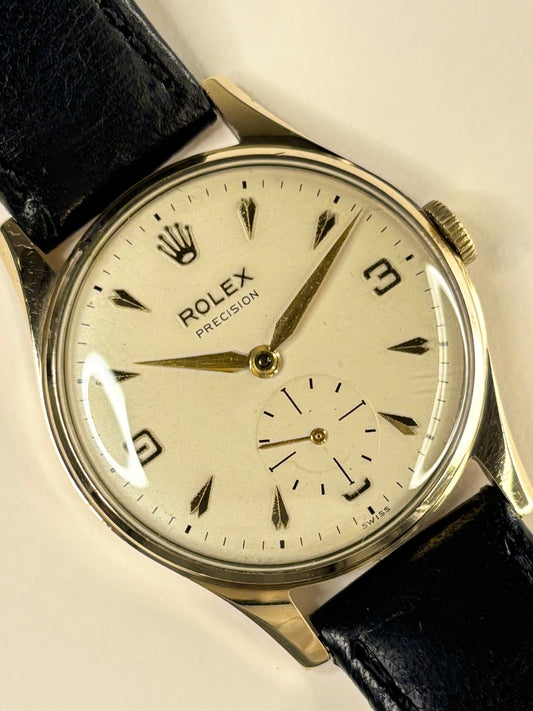
At the very top of the market, vintage Rolex watches have demonstrated a level of value appreciation over the past two to three decades that is quite extraordinary. Certain references - particularly sports models in original, unpolished condition with matching dials and hands - have increased in value by multiples that would embarrass most conventional investments. Even more modest vintage Rolex dress watches have shown consistent and reliable value retention, underpinned by the global recognition of the brand and the depth of collector demand worldwide.
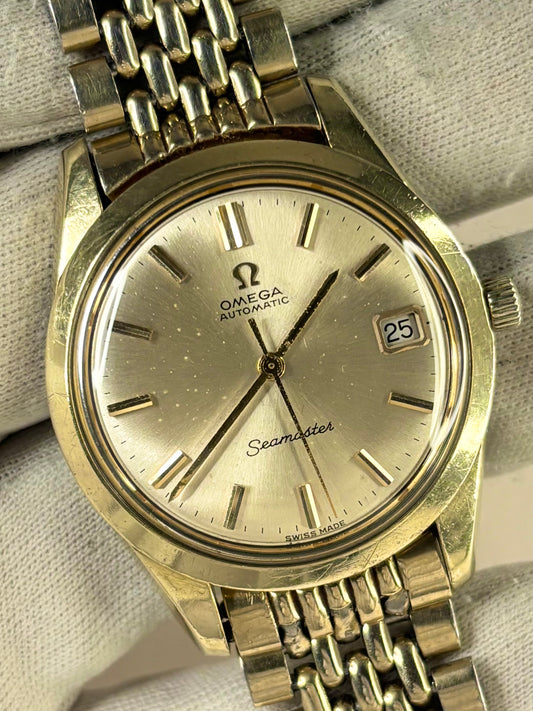
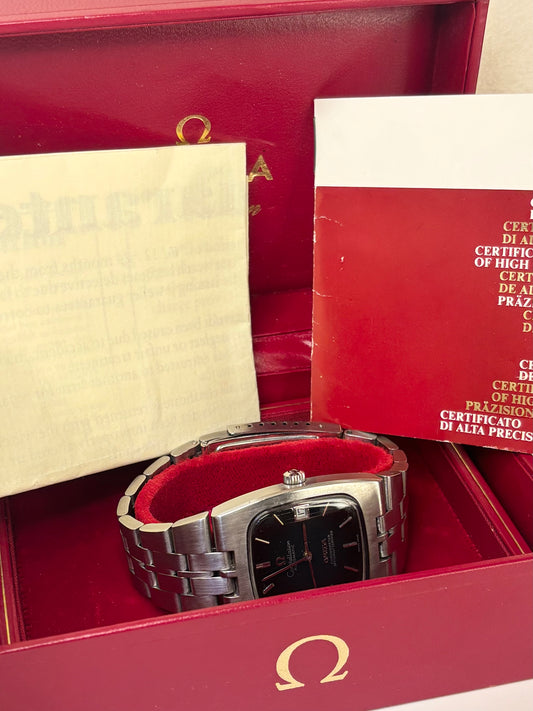
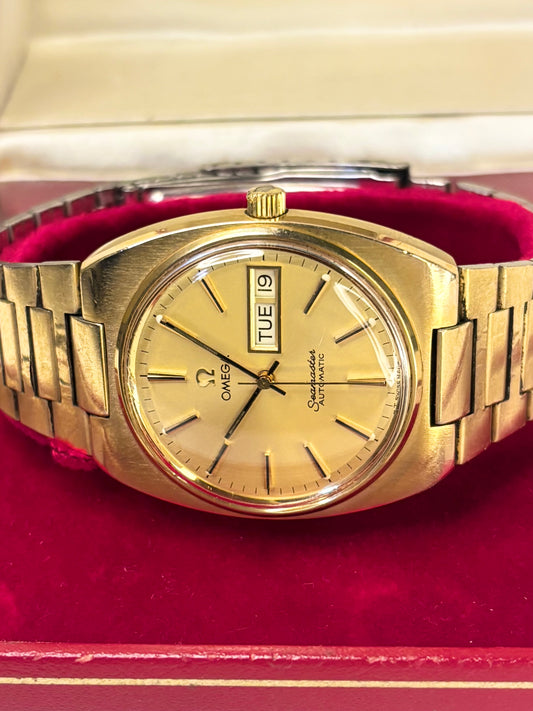
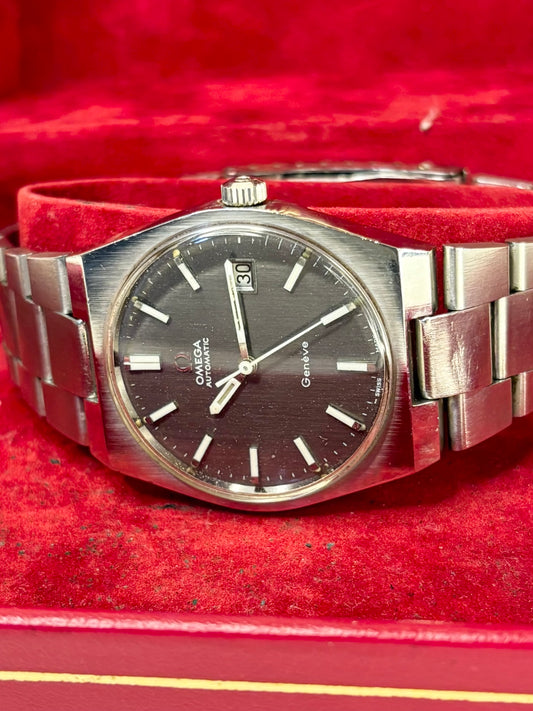
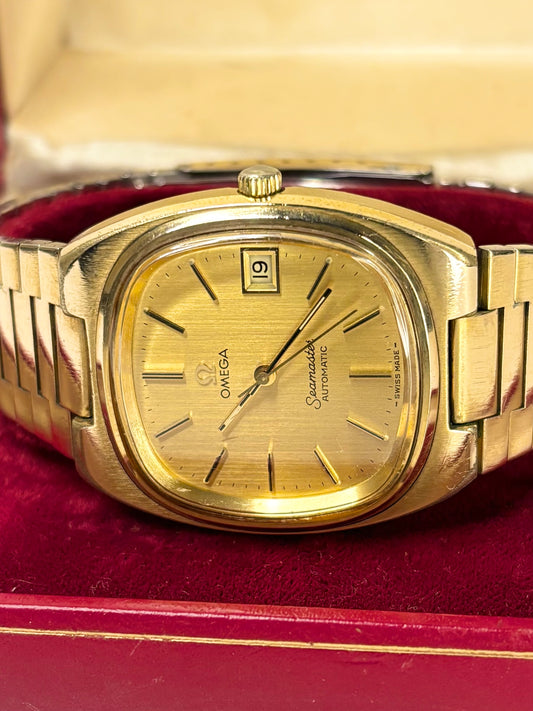
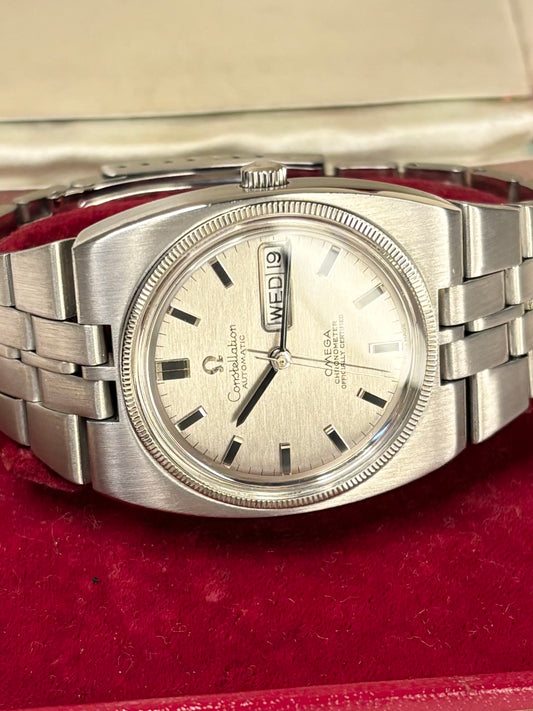
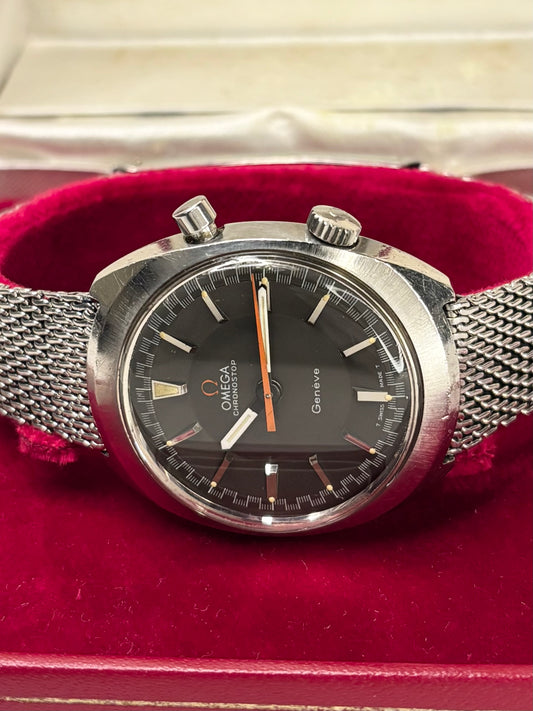
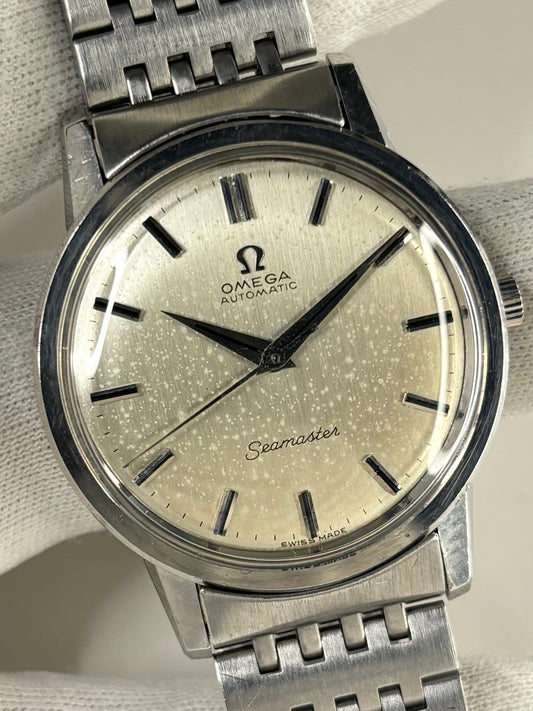
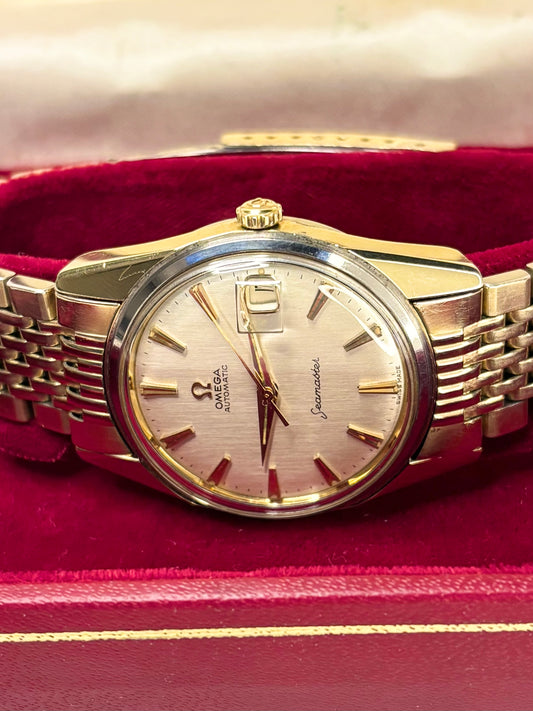
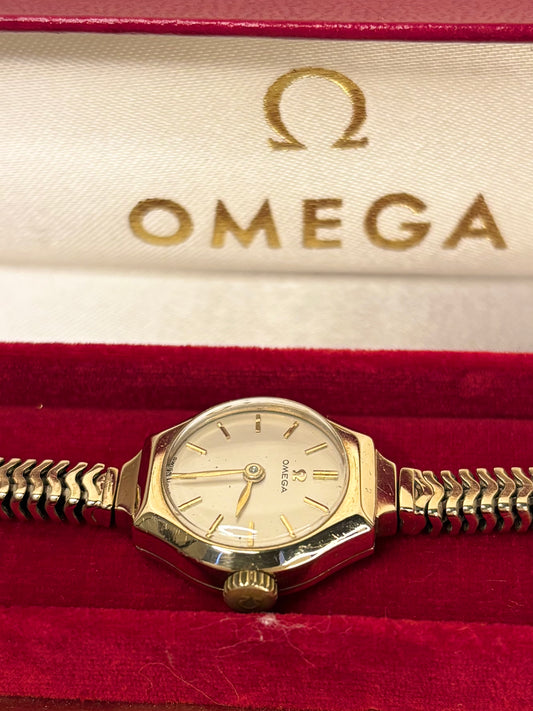
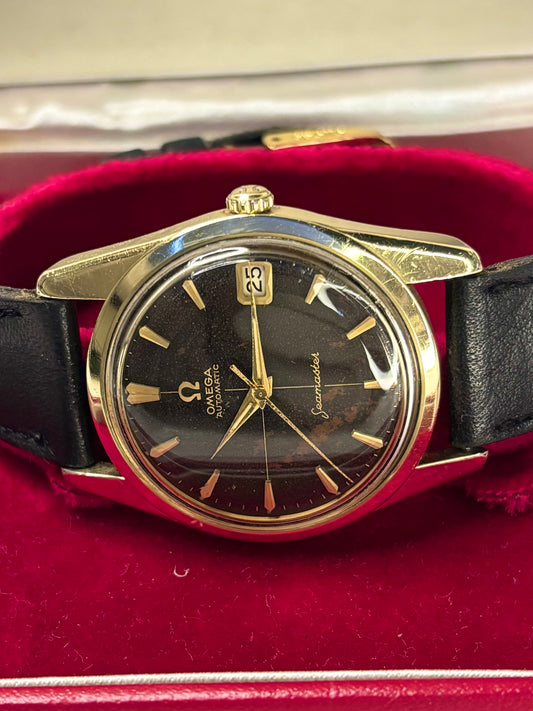
Vintage Omega occupies a particularly interesting position in the market. The quality of vintage Omega movements and the beauty of the watches produced through the 1950s and 1960s is, by any objective standard, extraordinary - and collector appreciation for these pieces has grown significantly over the past decade. Vintage Omega Constellations, Seamasters, Geneve's, and solid gold dress watches from this era represent, in the view of many experienced collectors, some of the best value in the entire vintage watch market. The quality is there. The history is there. And the prices, relative to comparable vintage Rolex, remain accessible - which suggests meaningful upside for buyers who choose carefully today.
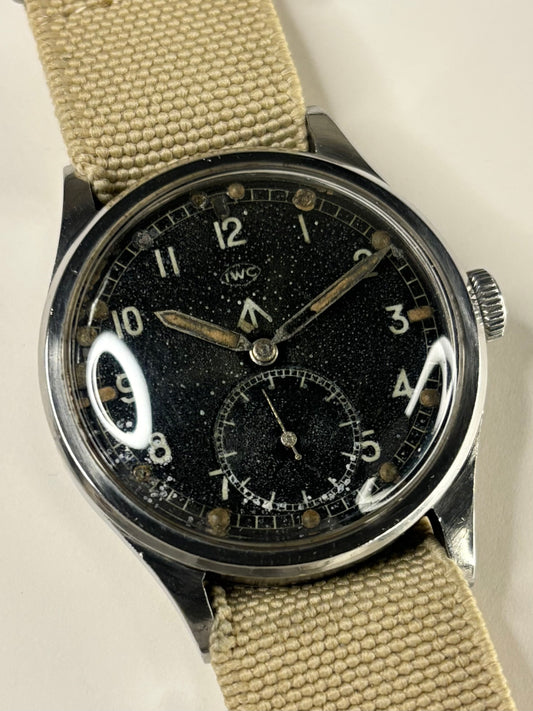
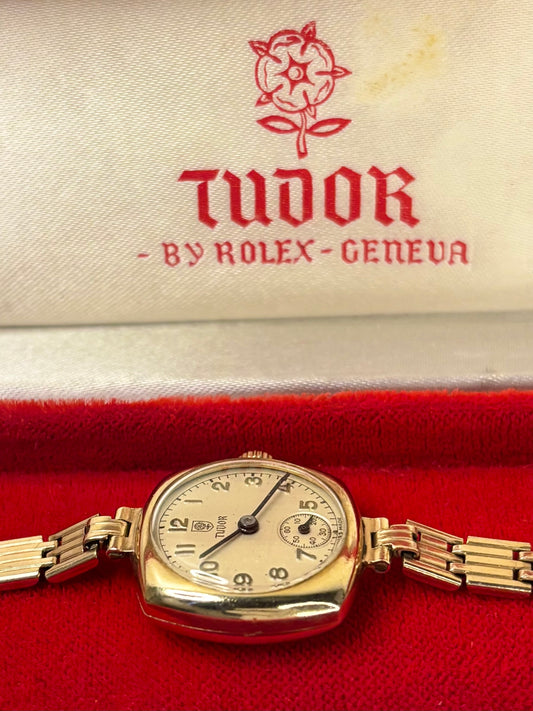
Other brands - Tudor, IWC, Longines, Zenith - also have strong collector followings and have shown solid value retention on the right references, though the market for these is somewhat less liquid than for Rolex and Omega.
Browse our vintage Omega collection, and our vintage Rolex collection!
What Affects How Well a Vintage Watch Holds its Value?

Understanding the factors that drive value in the vintage watch market is genuinely useful knowledge - both for buying well and for looking after what you already own.
Originality is the single most important factor. A vintage watch with all its original components intact - unrestored dial, original hands, unpolished case, acrylic crystal - will almost always be worth more than an equivalent example that has been refinished, relumed, or heavily polished. The market has become increasingly sophisticated in its appreciation of originality over the past decade, and that trend shows no sign of reversing. We have covered the specifics of assessing originality in some detail elsewhere on this blog, and it is worth reading if you are buying with value in mind.
Condition matters enormously too - but perhaps not in the way you might expect. A watch in honest, original condition with natural wear and a beautiful patina across its dial and crystal will typically command a higher price than one that has been aggressively cleaned or polished in an attempt to look newer, or one that features crazing to the original crystal. The patina is the proof of authenticity, and collectors know it. Of course, water damage in a vintage watch is a different discussion entirely!
Box and papers - the original box, warranty card, and any accompanying documentation - add meaningful value to any vintage watch. A vintage Rolex or vintage Omega presented with its original full set is a significantly rarer and more desirable object than the watch alone, and the premium it commands in the market reflects that.
Rarity plays a role too. Unusual dial variants, limited production references, or watches with interesting provenance will always attract a premium from the right buyers. The honeycomb dial Tudor, the tropical dial sports watch, the rare solid gold/gold filled dress watch in an unusual configuration - these are the pieces that serious collectors actively seek and are prepared to pay accordingly for.
Vintage Watches vs New Watches - the Value Comparison
This is a comparison that is worth making explicitly, because it surprises a lot of first-time buyers.
A new watch from a prestigious Swiss brand purchased at retail today will, in most cases, depreciate the moment it leaves the boutique - often by 20-30% in the first year alone. The retail price includes significant margin for the brand, the retailer, and the marketing that brought you through the door. That margin evaporates the moment the watch is no longer new.
A vintage watch, by contrast, has already absorbed that initial depreciation decades ago. The price you pay for a well-chosen vintage timepiece today reflects what the market genuinely believes it is worth - informed by actual collector demand, actual auction results, and actual transaction history. There is no retail markup sitting on top of it waiting to disappear.
This dynamic means that a well-chosen vintage watch, bought sensibly from a reputable seller, is a considerably lower-risk purchase from a value perspective than most new watches at the same price point. You are not betting on a brand retaining its prestige or a new reference proving popular with collectors - you are buying something with a demonstrated track record.
Should You Buy a Vintage Watch as an Investment?

This is a question worth addressing honestly, because the answer is slightly more nuanced than the vintage watch market's impressive track record might suggest.
The vintage watches that have appreciated most dramatically over the past two to three decades are almost exclusively pieces that were bought by people who loved them - who wore them, cared for them, and kept them in original condition because that is what they valued, not because they were thinking about exit prices. The appreciation followed the passion, not the other way around.
Buying a vintage watch purely as a financial investment, without genuine interest in the object itself, is a strategy that carries more risk than it might appear. The market is less liquid than equities, condition assessment requires real knowledge, and the specific references that perform best are not always predictable in advance. Treating a vintage watch purely as an asset is likely to lead to both worse purchase decisions and a considerably less enjoyable experience of ownership.
Buy a vintage watch because you genuinely love it - because the dial makes you smile, because the movement has a character you find compelling, because wearing it connects you to something you value. Buy it from a reputable seller who describes their pieces honestly. Look after it properly. And the value question will, in all likelihood, look after itself.
A Final Thought
The vintage watches that hold their value best are, almost without exception, the same watches that their owners loved most. That is not a coincidence - it reflects the fact that the qualities that make a vintage timepiece genuinely desirable to wear are the same qualities that make it genuinely desirable to collect. Originality, quality, character, and history are the foundations of both a great wearing experience and a strong long-term value proposition.
At AR Collectables, every vintage timepiece in our collection is handpicked with exactly these qualities in mind. If you have any questions about a specific piece - its history, its condition, or how it sits in the broader market - just drop us a message. We are always happy to give an honest answer. 🤝