
Are Vintage Watches Waterproof? What Every Owner Needs to Know
It is one of the most important questions to ask before buying or wearing a vintage watch - and one that does not always get a straight answer. Can you get a vintage timepiece wet? Is it safe to wear in the rain, while washing your hands, or for a swim? The honest answer, and the one that will protect your watch for years to come, is a simple one. You should treat any vintage watch as not waterproof - and here is exactly why.
The Short Answer - Assume It Is Not
Whatever a vintage watch may have been capable of when it left the factory decades ago, the safest and most sensible approach today is to assume it offers no meaningful protection against water at all. Even a classic timepiece that was sold as water-resistant in its day should not be trusted around water now, and treating it that way is the single best thing you can do to preserve it.
This is not because vintage watches were poorly made - quite the opposite. It is simply a consequence of age, and once you understand the reasons, the caution makes complete sense.
Why Vintage Watches Are No Longer Water-Resistant
There are several reasons why a vintage timepiece should be kept well away from water, and they tend to apply to almost every watch of a certain age.
The seals and gaskets have perished. Water resistance in any watch depends on small rubber or composite gaskets that seal the points where water could enter - the caseback, the crown, and the crystal. Rubber does not last forever. Over the decades, these gaskets dry out, harden, shrink, and crack, losing their ability to seal entirely. A gasket that was supple and effective in 1965 is, in all likelihood, brittle and useless today. This is the single biggest reason a vintage timekeeper cannot be trusted around water.
The case has been opened many times. Every time a watch is serviced over its lifetime, the caseback is removed and refitted - and each time, the seal is disturbed. A vintage watch that has been serviced half a dozen times over sixty years has had its seals compromised repeatedly, and unless those gaskets have been deliberately and recently replaced, the original water resistance is long gone.
The crystal may have tiny imperfections. Vintage watches often use acrylic or early mineral crystals, which can develop hairline cracks or imperfect seating over the years - another potential entry point for moisture.
Water resistance ratings were modest to begin with. Even when new, many vintage dress watches offered only minimal water resistance - enough to survive a splash, perhaps, but never intended for swimming or submersion. The standards of the era were far more conservative than the diving-ready ratings we see today.
And the word waterproof itself is misleading. The term was used loosely in the mid-twentieth century but has since been banned from watch marketing precisely because no watch is ever truly proof against water. Even modern watches are rated only as water-resistant to a specific depth - and a vintage piece should be assumed to have lost whatever modest rating it once had.
But What About Watches Designed for Water - Like the Seamaster?

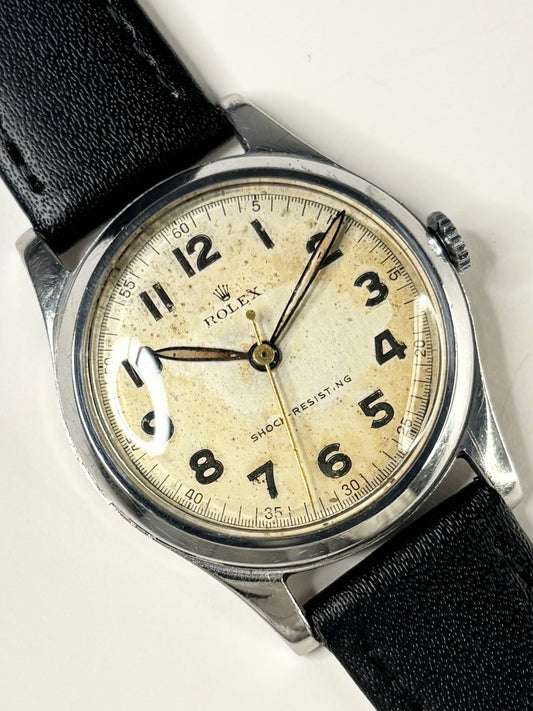
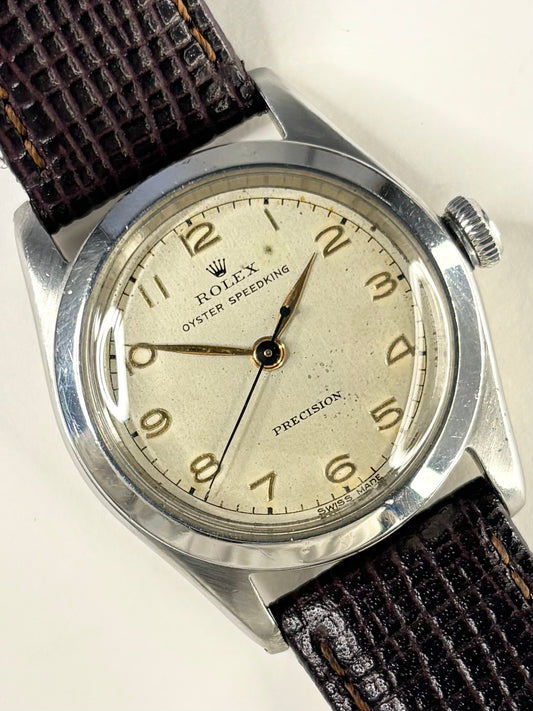
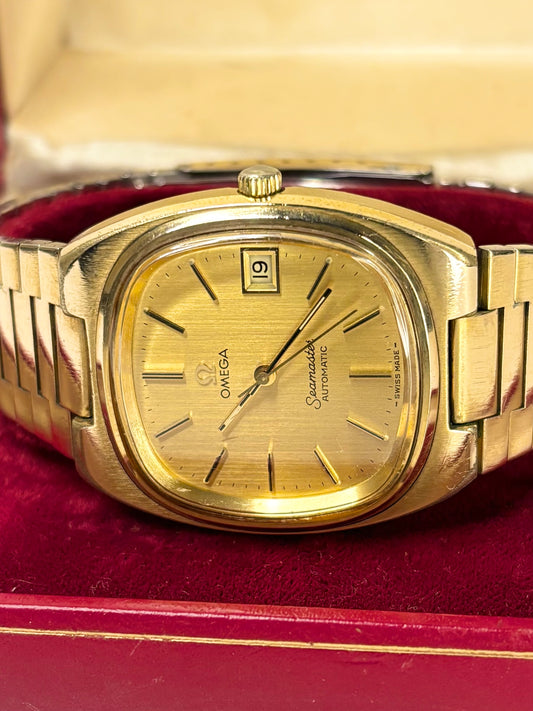
This is a fair question, because some vintage watches genuinely were designed with water resistance in mind. Omega's Seamaster line, for instance, took its very name from its improved sealing, and Rolex built its reputation on the waterproof Oyster case. Surely these are different?
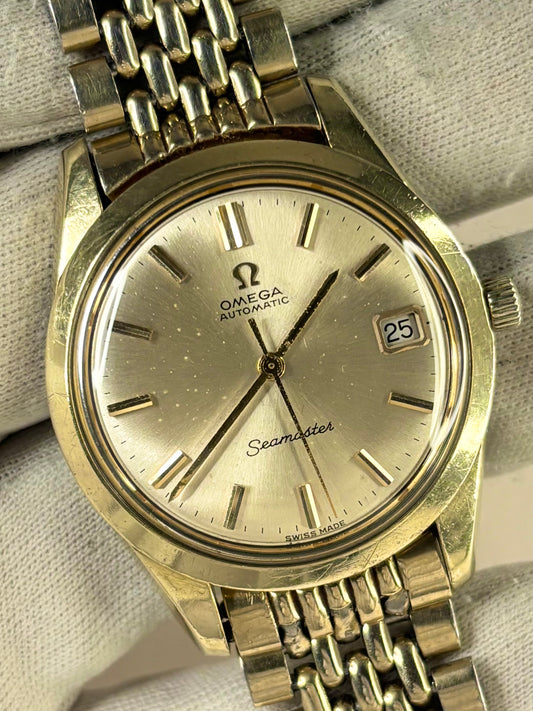
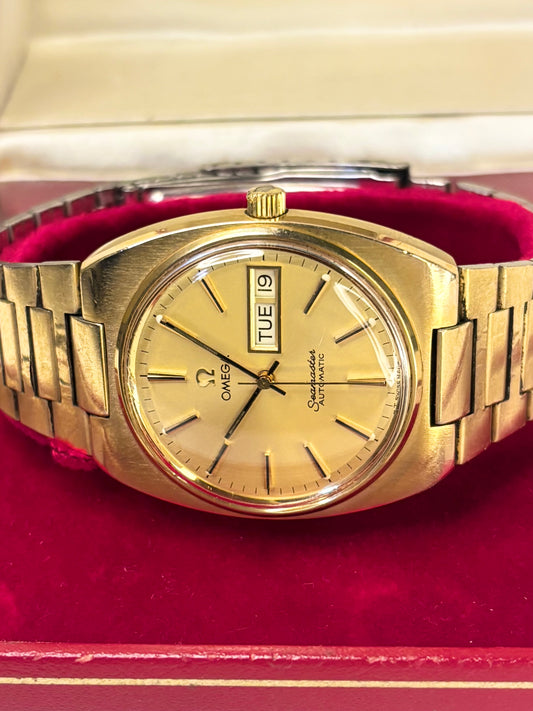
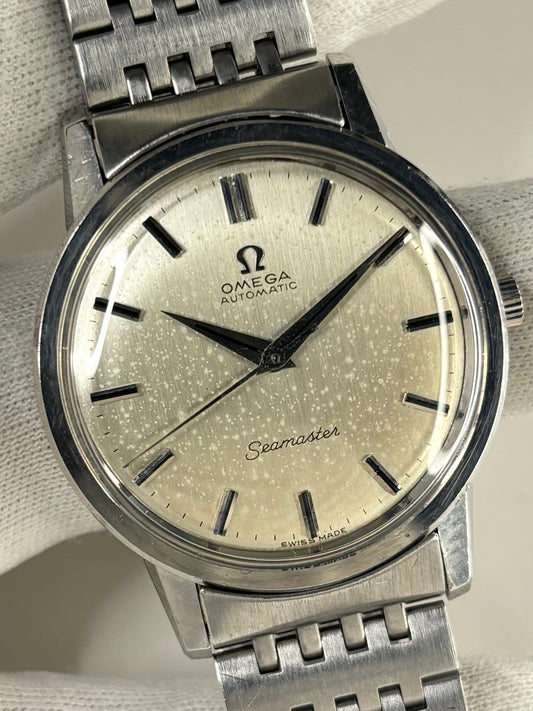
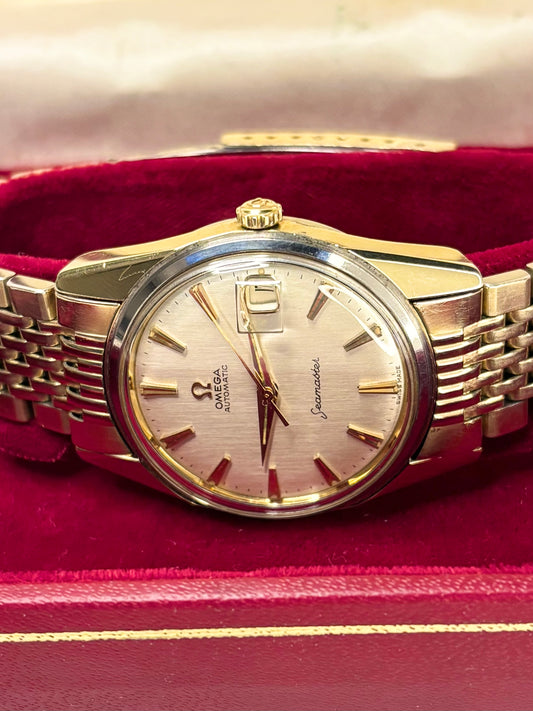
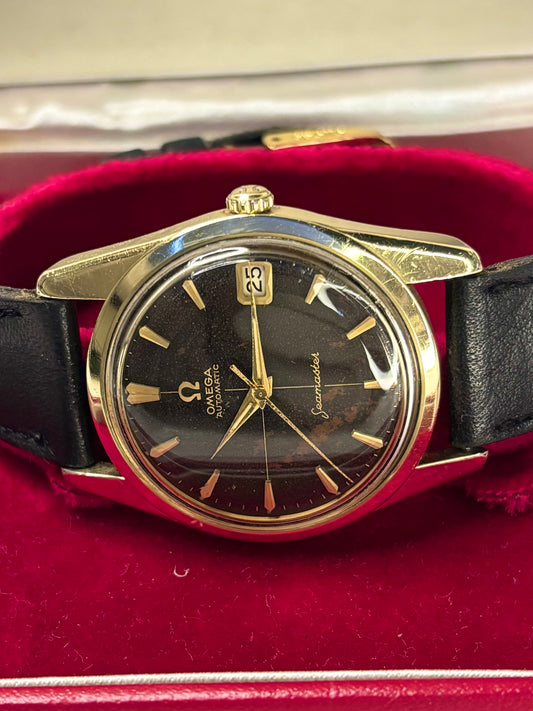
In their day, yes - these were genuinely more robust timepieces, and models like the vintage Omega Seamaster were built to a higher standard of sealing than a typical dress watch. The OMEGA Seamaster - Vintage 1960's Automatic Bimetal Watch - Reference 2857 is a lovely example of this celebrated line, with all the quality and heritage the Seamaster name implies.
But - and this is the crucial point - age affects these watches exactly as it affects every other. The seals in a sixty-year-old Seamaster have perished just as surely as those in any other vintage timepiece. The original design intent does not change the reality of six decades of ageing. So even a classic timepiece that was genuinely water-resistant when new should still be kept away from water today, unless it has been professionally resealed and pressure-tested very recently - and even then, caution is wise.
How to Protect Your Vintage Watch From Water

The good news is that keeping a vintage timepiece safe is simple, and quickly becomes second nature.
Take it off before washing your hands, showering, or bathing. Never wear it swimming or in the sea. Remove it before any activity involving water, and keep it away from steam rooms, saunas, and hot showers - heat and steam are particularly damaging, as they can cause moisture to be drawn inside the case. Avoid wearing it in heavy rain, and if you are caught out, dry it gently as soon as you can. Be mindful of condensation too - moving between very different temperatures can cause moisture to form, so a little care goes a long way.
If your vintage watch does get wet and you notice any misting or condensation under the crystal, do not ignore it. Get the watch to a watchmaker promptly, as trapped moisture can cause rust and serious damage to the movement if left. Acting quickly can make all the difference.
Can a Vintage Watch Be Made Water-Resistant Again?
To a limited degree, yes. A good watchmaker can replace perished gaskets during a service and, in some cases, pressure-test the watch afterwards to confirm a degree of water resistance has been restored. This can offer some peace of mind against accidental splashes.
However, even a freshly serviced vintage timepiece should not be treated like a modern dive watch. The case, crystal, and crown of an older watch were simply not designed to the same standards, and the sensible approach remains to keep any classic timepiece away from water as a matter of habit. Restored resistance is a safety margin against accidents, not a licence to go swimming.
A Final Word - Care, Not Concern
None of this should put you off owning and wearing a vintage watch! It simply means treating it with the small amount of care that any beautiful, decades-old object deserves. Keep it away from water, have it serviced when needed, and a quality vintage timepiece will reward you with a lifetime of faithful service and genuine pleasure.
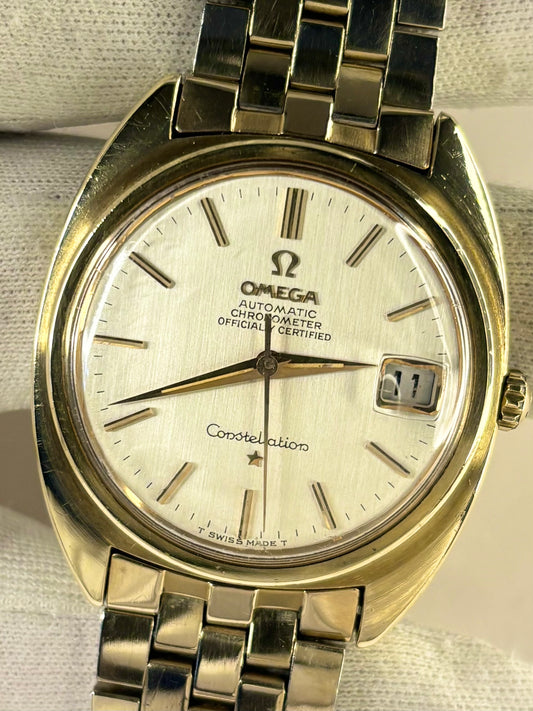
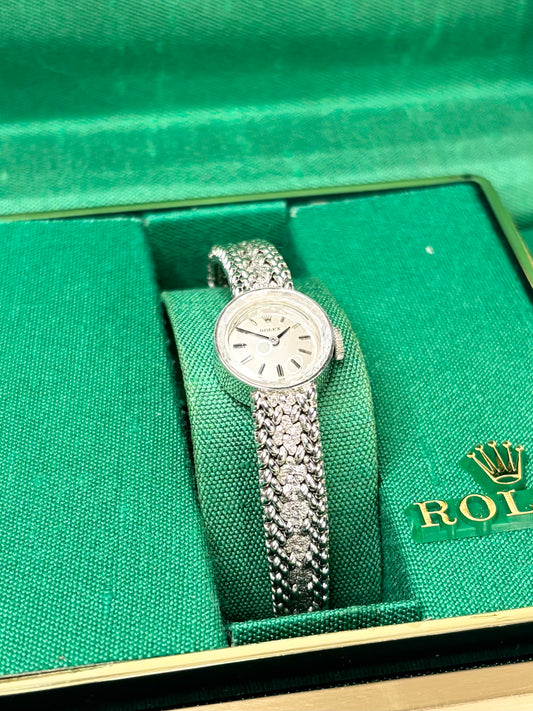
At AR Collectables, we are always happy to advise on the care of any piece in our collection, and to tell you what we know about a specific watch's condition and history. If you are looking to buy a vintage Omega watch, a vintage Rolex timepiece, or simply browse our full range, just drop us a message - we would love to help. 🤝
Be sure to check out our full vintage watch collection today!