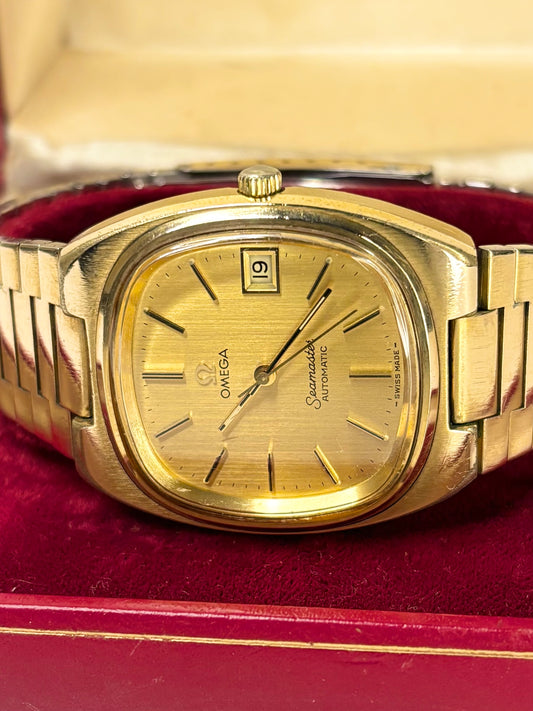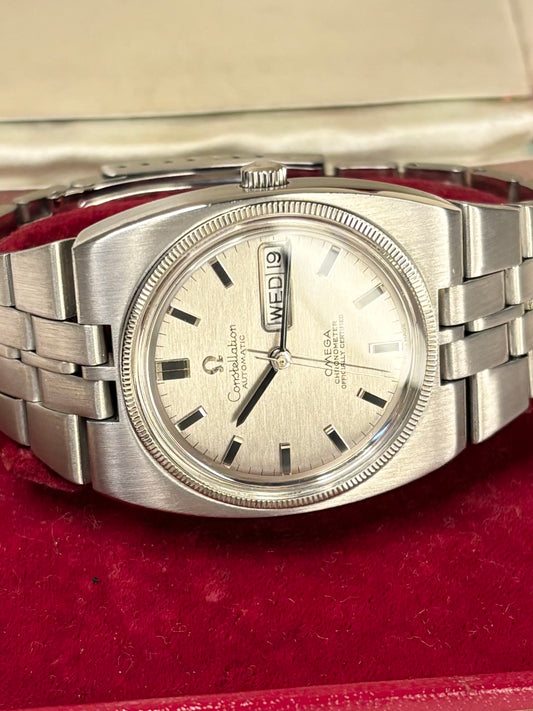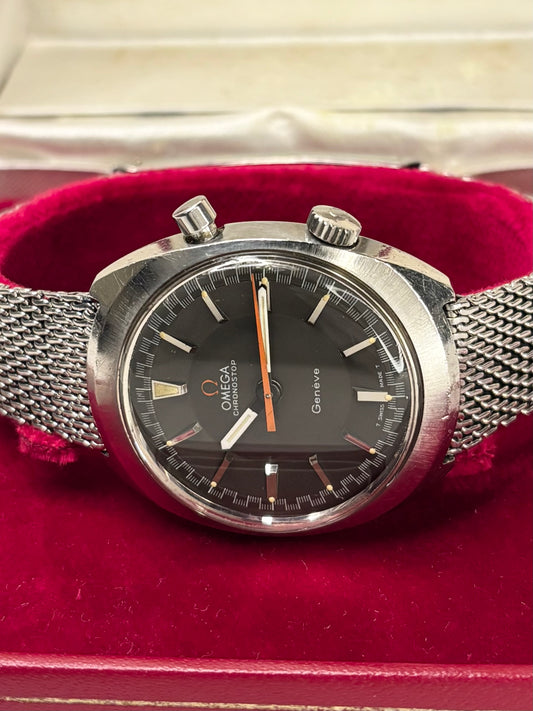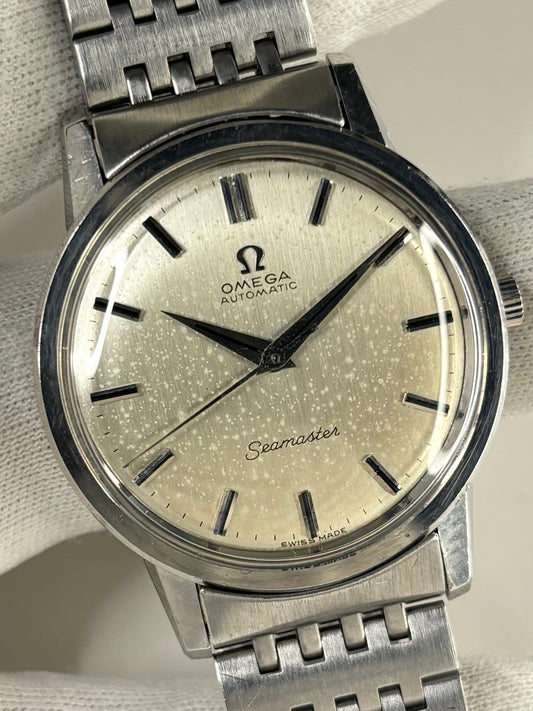

How to Tell if a Vintage Watch is From the 1950's - 5 Features Every Collector Should Know
There is something truly special about a 1950's vintage watch. The decade sits in this gorgeous sweet spot - post-war optimism was in full swing, watchmaking craftsmanship was at an absolute peak, and the designs that came out of that era have an elegance that is almost impossible to replicate today. If you have ever picked up a vintage timepiece and wondered whether it dates back to the 1950s, you are in the right place!
Whether you are a seasoned collector or just starting out, knowing how to date a vintage watch by its features is one of the most satisfying skills you can pick up. So let's get into it - here are five key things to look out for.
1. Small, Elegant Case Sizes
One of the most immediate giveaways that a timepiece is from the 1950s is the case shape. Today, watches sit large and bold on the wrist - 40mm, 42mm, even larger. In the 1950s, it was a completely different story.
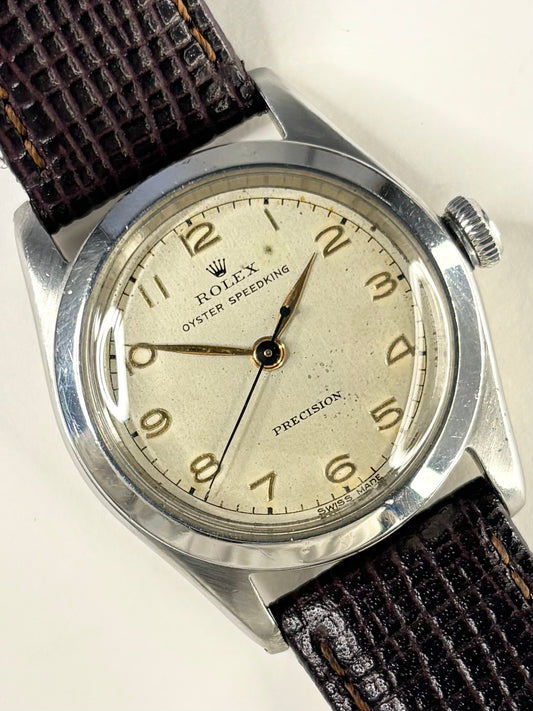
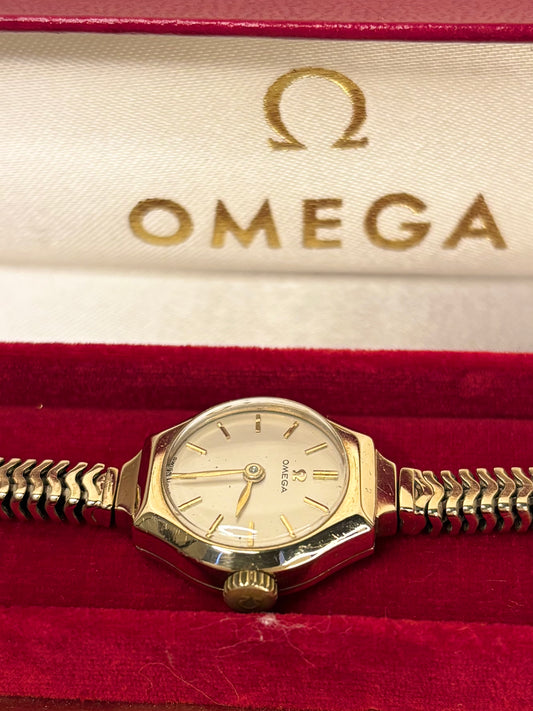
Most dress watches and everyday wearers from this era measure somewhere between 33mm and 36mm. These were timepieces designed to slip elegantly beneath a shirt cuff, not to make a statement from across the room. There is a refinement to the proportions of a 1950s watch that is really hard to describe until you hold one in your hand - they are neat, considered, and beautifully balanced.
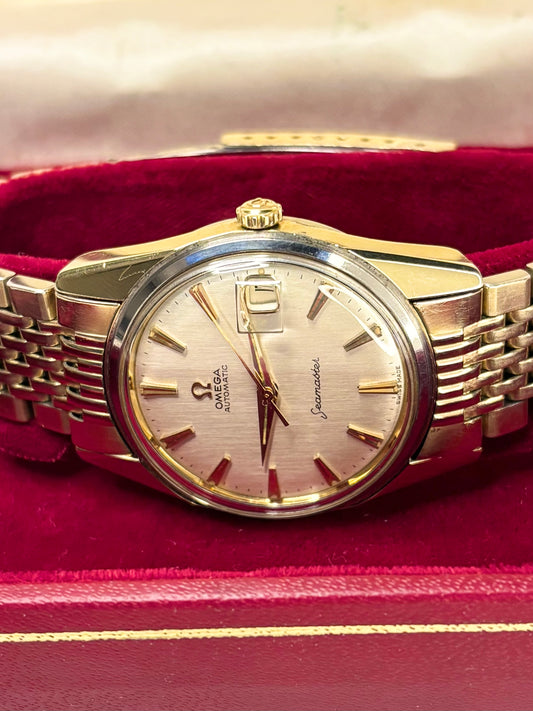
Brands like Omega and Bulova were producing some of their most graceful dress watches during this period, with slim cases and clean profiles that perfectly reflect the aesthetic of the decade. If you come across a vintage timekeeper with that kind of delicate, understated presence, there is a very good chance the 1950s is where it calls home.
Browse our current selection of 1950s vintage timepieces today!
2. Subsidiary Seconds Dial at 6 O'Clock

This is one of the most reliable dating features you will find on a 1950s vintage watch, and once you know what to look for, you will start spotting it everywhere.
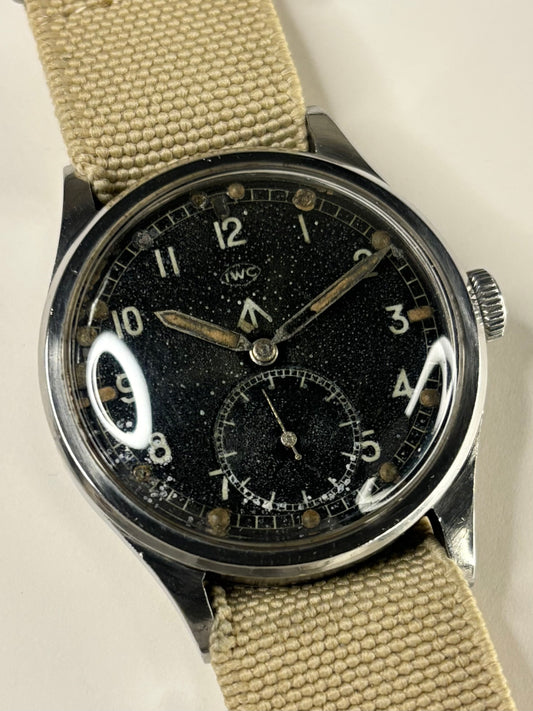
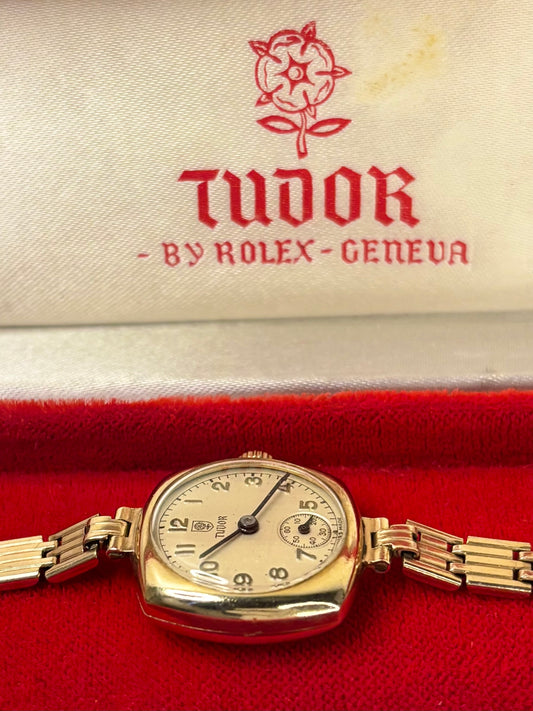
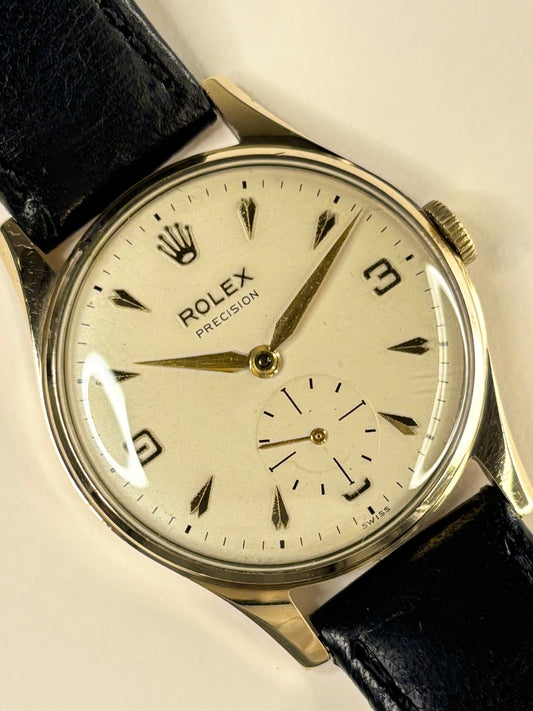
Rather than a sweeping central seconds hand - which became far more common through the 1960s and beyond - watches from the 1950s very frequently featured a small subsidiary seconds dial, sitting neatly at the 6 o'clock position. It is a small, separate dial within the main dial, with its own tiny seconds hand ticking away independently.
It is a wonderfully old-fashioned detail that speaks directly to the watchmaking conventions of the era. The movement architecture of the time simply lent itself to this layout, and it gives a 1950s timepiece a very particular, distinguished look that sets it apart immediately from later decades.
If you spot that little sub-dial at 6 o'clock, you are almost certainly looking at something from the late 1940s through to the late 1950s - and that is a very exciting thing to be looking at.
3. Dauphine or Alpha Hands
The hands on a watch might seem like a small detail, but they are one of the most telling features when it comes to dating a vintage timepiece - and the 1950s had a very distinctive style.
The two hand types you will most commonly encounter on a genuine 1950s timekeeper are dauphine hands and alpha hands.
Dauphine hands have a lovely tapered, leaf-like shape with a raised ridge running down the centre - they catch the light beautifully and give a watch a very polished, formal look. Alpha hands are slightly more angular, with a bold triangular shape that fills the dial with real presence and confidence.
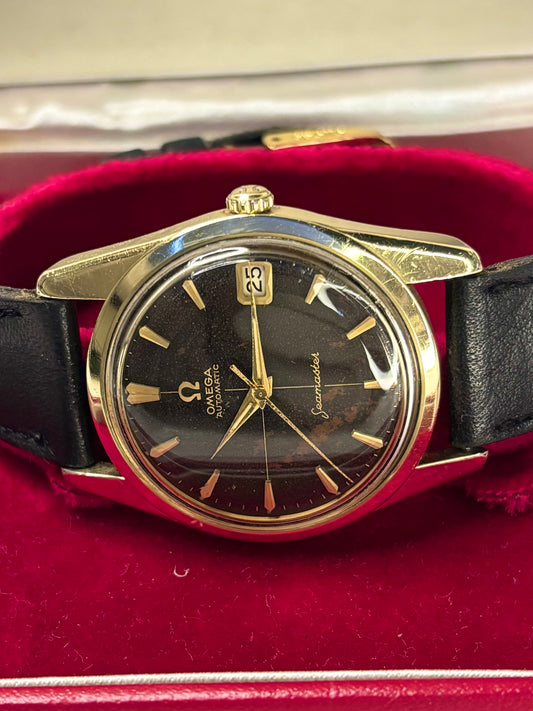
Both styles were widely used by the major manufacturers of the era. Omega, in particular, used dauphine hands extensively across their 1950s dress watch range, and they look absolutely stunning on the original dials they were paired with. If you see either of these hand styles on a vintage watch - especially paired with the other features on this list - you are in very familiar 1950s territory.
4. Applied Dial Indices and Pie-Pan Dials

The dial design of a 1950s vintage watch is another brilliant dating clue, and honestly, it is where a lot of the real beauty lies in pieces from this era.
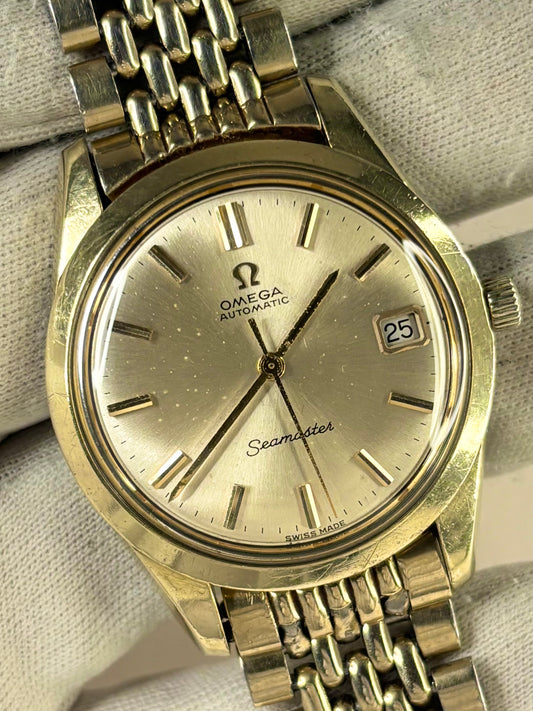
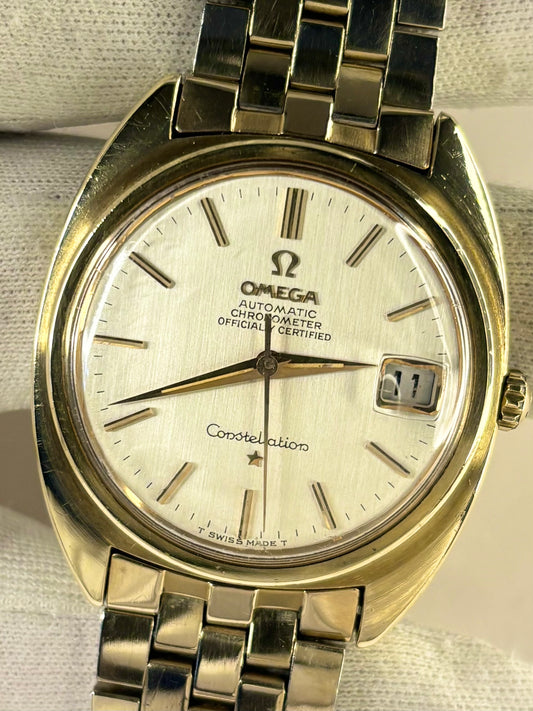
Applied indices - meaning hour markers that are physically attached to the dial surface rather than simply printed on - were incredibly common throughout the 1950s. These little raised markers, often in gold or silver, catch the light and give a dial a sense of real depth and quality that a printed dial simply cannot match.
The other dial feature that is almost uniquely associated with the 1950s is the pie-pan dial - named because the dial has a slightly domed or stepped profile, a little like an upturned pie dish. The outer edge of the dial sits slightly lower than the centre, creating a beautifully subtle three-dimensional effect. It is a detail that is easy to miss in photographs but immediately noticeable in person, and it is one of the most charming and distinctive features you will find on a vintage timepiece from this decade.
Keep an eye out for both of these features - either one is a strong pointer towards the 1950s, and together they are about as clear a signal as you can get.
5. Bumper Automatic or Manual Wind Movements
Pop the caseback off on a vintage watch from the 1950s - or better yet, ask the seller about the movement - and you will often find one of two things: either a manual wind calibre, or an early automatic movement using what is known as a 'bumper' mechanism.
Manual wind movements were still extremely common in the 1950s. There is something genuinely lovely about a manual wind vintage timekeeper - that daily ritual of winding it up and feeling the crown tighten as the mainspring reaches capacity is a tactile connection to the watch that modern automatic and quartz pieces simply do not offer.
The bumper automatic is perhaps even more exciting though, and it is one of the most characteristically 1950s things a watch can contain. Rather than a rotor that spins freely in a full 360 degrees - as in all modern automatics - a bumper automatic uses a weighted sector that swings back and forth, hitting small springs at either end of its arc. If you give a bumper automatic a little shake, you can actually hear the gentle thud of the rotor hitting those buffers - it is a wonderfully distinctive sound, and unmistakably vintage.
Omega produced some of the finest bumper automatic calibres of the era, and finding one of these movements inside a 1950s timepiece is a genuinely special thing.
For a full discussion on bumper movements, check out our blog post!
So, Do You Think You've Got a 1950s Piece?
If your vintage watch is ticking several of these boxes - a small elegant case, a subsidiary seconds dial, dauphine or alpha hands, applied or pie-pan dial details, and a manual wind or bumper automatic movement - then there is a very strong chance you are holding something from one of the most beautiful decades in watchmaking history.
At AR Collectables, we have a real soft spot for 1950's vintage timepieces. Every watch in our collection is handpicked, cleaned, and tested - and we are always happy to have a chat if you are not sure what you are looking at. Drop us a message any time. 🤝
Browse our full vintage watch collection today!
Enjoyed this one? Keep an eye on the blog - we will be covering every decade in the same detail, so you can become the most knowledgeable person in any room when the conversation turns to vintage watches!