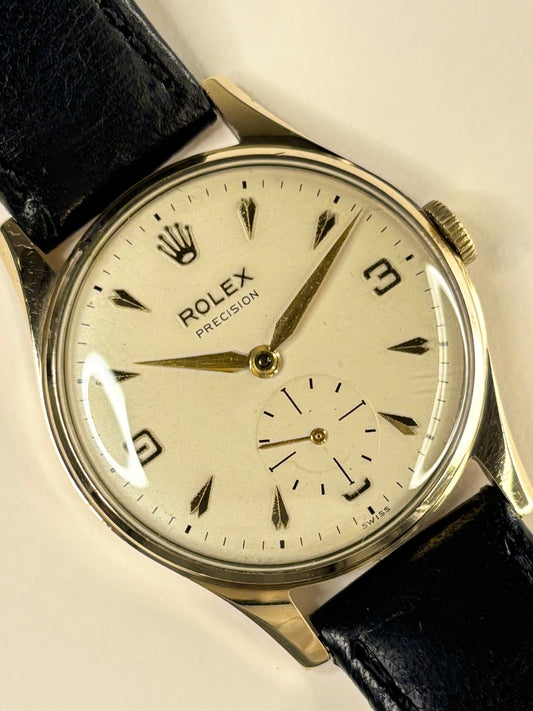

What is a Sub-Seconds Dial? A Guide to a Classic Vintage Watch Feature
Look closely at many vintage watches and you will notice a small, separate dial set into the main face - usually near the bottom, at the six o'clock position - with its own tiny hand quietly ticking away the seconds. This is a sub-seconds dial, and it is one of the most characteristic and elegant features of classic watch design. But what exactly is it, why do so many vintage watches have one, and what can it tell you about a timepiece? Here is everything you need to know.
What is a Sub-Seconds Dial?

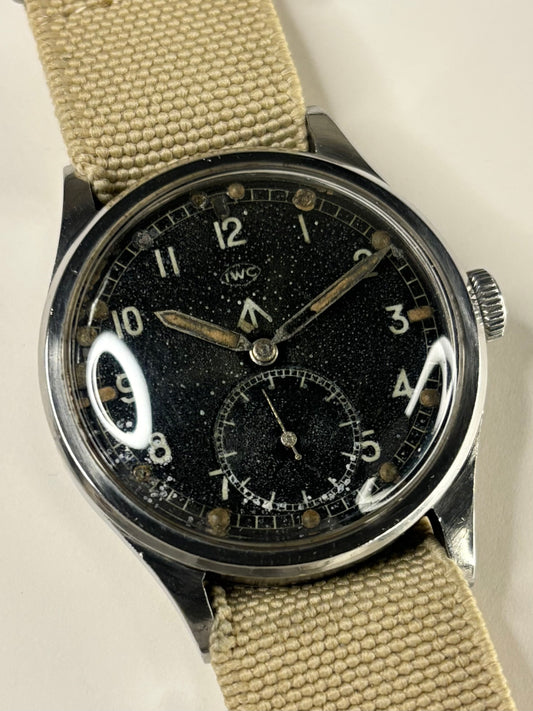
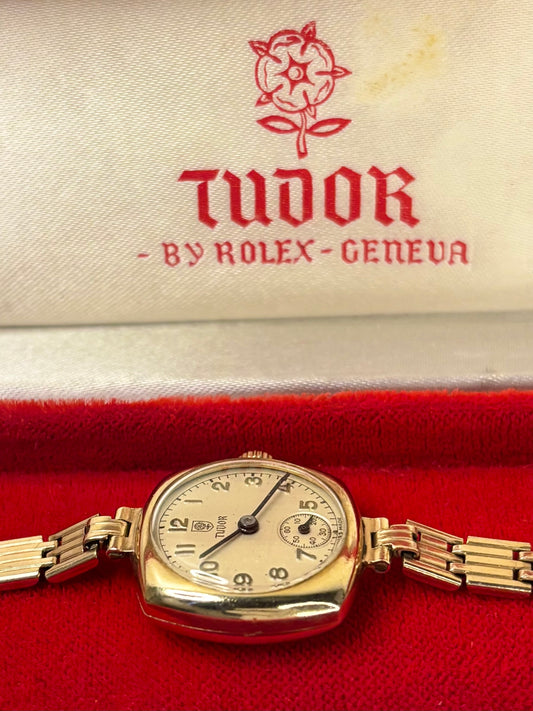
A sub-seconds dial - also known as a subsidiary seconds dial, or simply small seconds - is a small, separate sub-dial that displays the running seconds independently of the main hour and minute hands. Instead of a seconds hand sweeping from the centre of the dial, the seconds are shown on their own miniature dial, complete with their own small hand, usually positioned at six o'clock.
It is a beautifully balanced and traditional layout, and it gives a watch dial a sense of symmetry and classic proportion that many collectors find genuinely lovely. The main hands tell the hours and minutes from the centre, while the little sub-dial ticks steadily away below.
Sub-Seconds vs Central Seconds
To understand the sub-seconds dial, it helps to contrast it with the alternative - the central, or sweep, seconds hand. On a central seconds watch, the seconds are shown by a hand that originates from the very centre of the dial, sweeping around the full face alongside the hour and minute hands. This is the layout most common on modern watches.
The sub-seconds dial is the older, more traditional of the two arrangements. Where the central seconds hand shares the centre of the dial with the other hands, the sub-seconds hand has its own separate little home. Both tell the same information - they simply do it in different ways, and each has its own distinct character.
Why Did So Many Vintage Watches Have Sub-Seconds?

The reason is rooted in the mechanics of the movement. In a traditional watch movement, the wheel that drives the seconds - the fourth wheel - naturally sits away from the centre, towards the six o'clock side of the movement. Placing the seconds hand directly onto this wheel produced a small seconds display exactly where the wheel sat, which is why the sub-seconds dial appears where it does.
Displaying the seconds from the centre of the dial instead required additional gearing to carry the motion to the centre - a design refinement that became widespread later. As a result, the sub-seconds layout was simply the standard, straightforward arrangement for much of watchmaking history, which is why it appears on so many vintage timepieces. You can read more about how these movements developed in our guides to the history of manual-wind and automatic movements.
Sub-Seconds as a Dating Clue
Here is where the sub-seconds dial becomes genuinely useful to the collector - it can help you date a watch. Because the sub-seconds layout was the traditional standard, it is especially characteristic of earlier vintage watches, particularly those from the 1940s and 1950s and before. As we note in our guides to spotting watches from the 1940s and the 1950s, the subsidiary seconds dial is one of the hallmarks of these earlier decades.
Through the 1950s and into the 1960s, the central sweep seconds hand became increasingly common and eventually dominant, as we discuss in our guide to 1960s watches. So while it is not a hard rule, a watch with a sub-seconds dial has a good chance of belonging to an earlier period, and the feature is a useful part of the overall dating picture.
The Appeal of the Sub-Seconds Dial Today
Beyond its practical and historical interest, the sub-seconds dial has a timeless aesthetic appeal that keeps it beloved among collectors. There is a classic, elegant, unmistakably vintage character to a sub-seconds layout - a sense of traditional watchmaking and balanced proportion that a central seconds hand simply does not convey in the same way. On a dress watch in particular, the small seconds dial is a wonderfully refined detail.
For many collectors, the sub-seconds dial is one of the features that most clearly says vintage - and that is a large part of its charm.
Three Classic Sub-Seconds Watches From Our Collection

The sub-seconds dial appears across a wonderful range of vintage timepieces. Here are three from our collection.
The OMEGA 18ct Solid Gold Sub-Seconds Watch - Vintage 1960's Manual - Reference 121.014 is a genuinely special piece - an 18ct solid gold vintage Omega with the classic sub-seconds layout, combining precious metal, prestige, and timeless elegance.
The SERVICES Windsor Gold Sub-Seconds Watch - Vintage 1960's is a charming and characterful classic timepiece, with the elegant subsidiary seconds dial so typical of traditional vintage watch design.
And the ROTARY Gold Sub-Seconds Dress Watch - Vintage 1970's - Box and Papers is a lovely example presented complete with its box and papers - a handsome vintage dress watch with the timeless small seconds layout.
Check out our full vintage watch collection today!
A Final Thought
The sub-seconds dial is one of those details that, once you understand it, makes a vintage watch all the more rewarding to appreciate. It tells you something about how the watch was built, it can offer a clue to its age, and it carries a classic, elegant character that is quintessentially vintage. The next time you see that little dial ticking away at six o'clock, you will know exactly what you are looking at.
At AR Collectables, every vintage timepiece in our collection is cleaned, tested, and honestly described. If you are drawn to the classic elegance of a sub-seconds dial and would like to buy a vintage watch with genuine vintage character, just drop us a message - we would love to help. 🤝
Check out our full vintage watch collection today!