
What is a Chronometer? A Complete Guide for Vintage Watch Lovers
If you have spent any time exploring vintage watches, you will almost certainly have come across the word 'chronometer' - printed proudly on a dial, mentioned in a description, or used by collectors as a mark of quality. But what does it actually mean? Is it just a fancy word for a watch, or does it signify something more? And how is it different from a chronograph, which sounds almost identical but means something completely different? Here is everything you need to know.
What is a Chronometer?

A chronometer is a watch whose movement has been independently tested and certified to meet exceptionally strict standards of accuracy. The key word there is certified - a chronometer is not simply a watch that keeps good time, but one that has been formally examined by an official, independent testing body and proven to perform within very tight tolerances.
In other words, the term chronometer is not a marketing flourish. Historically it was a genuine, earned designation - a guarantee that the timepiece on your wrist had passed a demanding series of tests and been officially recognised as a precision instrument. When you see chronometer on a vintage dial, you are looking at a watch that was, in its day, certified among the most accurate available.
How a Watch Earns Chronometer Status
To be certified as a chronometer, a movement must be tested over a period of days in a range of different conditions - and crucially, it must pass.
The testing is rigorous. Each movement is examined in multiple positions - dial up, dial down, crown up, crown down, and so on - because a mechanical watch can run at slightly different rates depending on its orientation. It is also tested at different temperatures, to ensure it keeps accurate time whether worn on a cold winter morning or a hot summer day. Only a movement that performs within a very tight margin of accuracy across all of these conditions earns the chronometer designation.
In the modern era, this certification is carried out by an official Swiss body, and a certified chronometer must keep time within a tolerance of just a few seconds per day. In the vintage era, certification came from official Swiss observatories and testing bureaus, which awarded the designation to movements meeting their exacting standards. Either way, the principle is the same - a chronometer has been independently proven to be exceptionally accurate.
Chronometer vs Chronograph - Clearing Up the Confusion
This is one of the most common sources of confusion in the entire watch world, so it is worth addressing directly - because despite sounding almost identical, a chronometer and a chronograph are completely different things.
A chronometer, as we have seen, refers to accuracy - a watch certified to keep time to a very high standard.
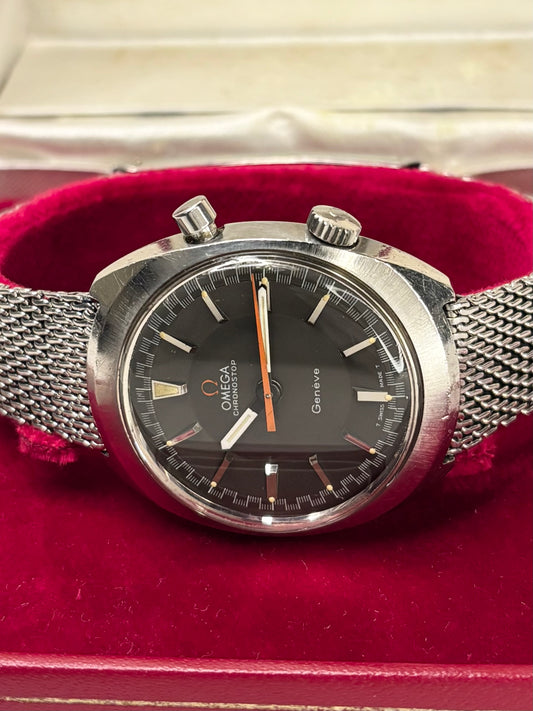
A chronograph refers to a function - specifically, a stopwatch complication that allows you to time events, usually operated by pushers on the side of the case and displayed via additional sub-dials on the watch face.
The two are entirely independent. A watch can be a chronometer but not a chronograph, a chronograph but not a chronometer, both, or neither. One describes how accurately the watch keeps time, the other describes what the watch can do. Once you have that distinction clear in your mind, you will never confuse the two again - and you will be a more informed buyer for it.
Vintage Chronometers - the Omega Constellation

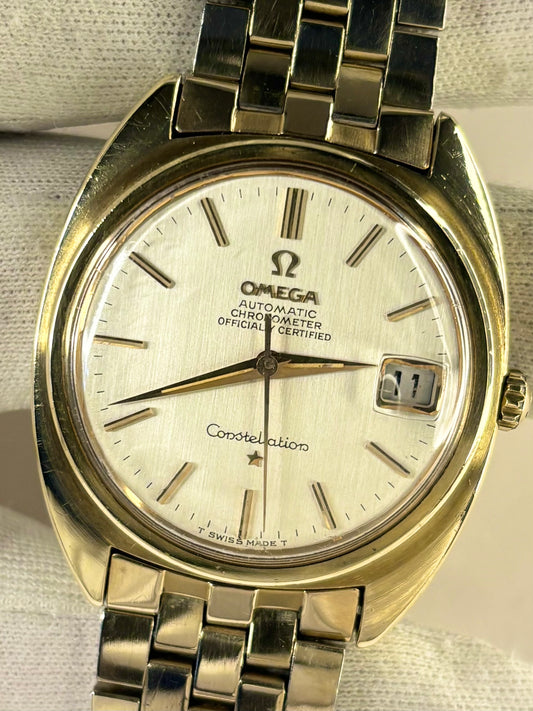
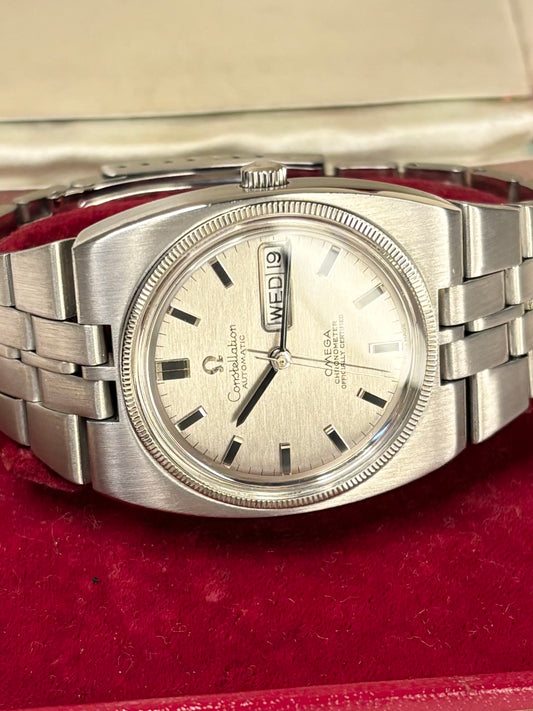
For the vintage watch collector, no discussion of chronometers would be complete without mentioning the watch that became almost synonymous with the designation - the Omega Constellation.
Launched in 1952, the Constellation was Omega's flagship chronometer line - a range built specifically to showcase the brand's finest certified movements. Every Constellation was a chronometer, certified to the most demanding accuracy standards of its day, and the line became one of the most celebrated and collectable in all of vintage watchmaking. Many Constellations even feature the observatory medallion on the caseback, a direct reference to the precision certification the movement had earned.
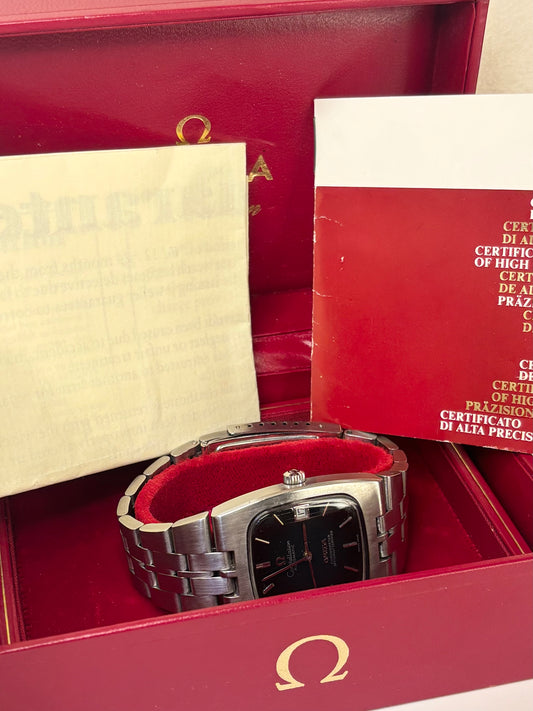
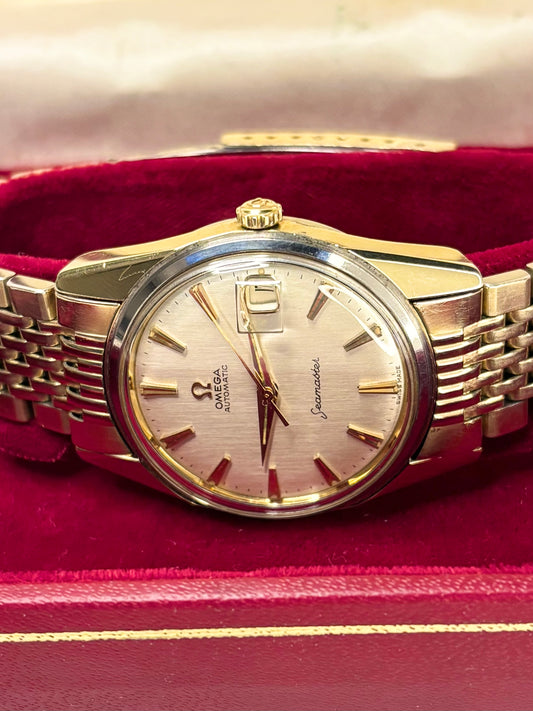
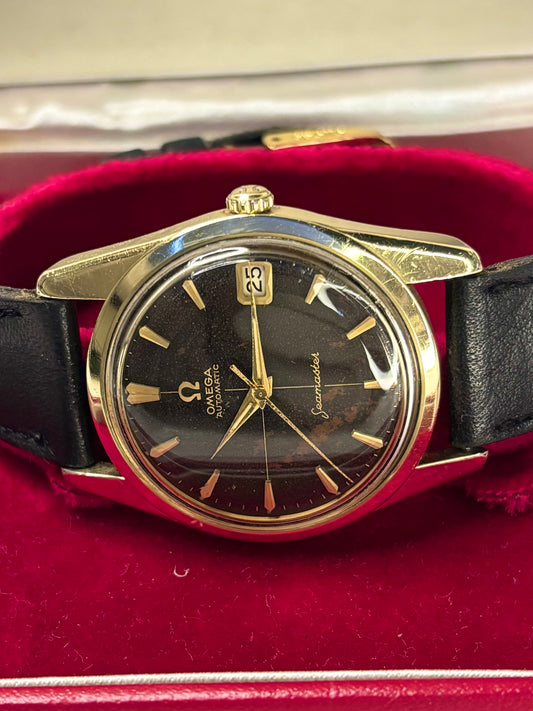
The OMEGA Constellation Crosshair - Boxed Vintage 1950's Automatic Chronometer - Reference 14381 is a beautiful example of an early certified chronometer from this celebrated line - a genuine piece of precision watchmaking history, complete with the sought-after crosshair dial.
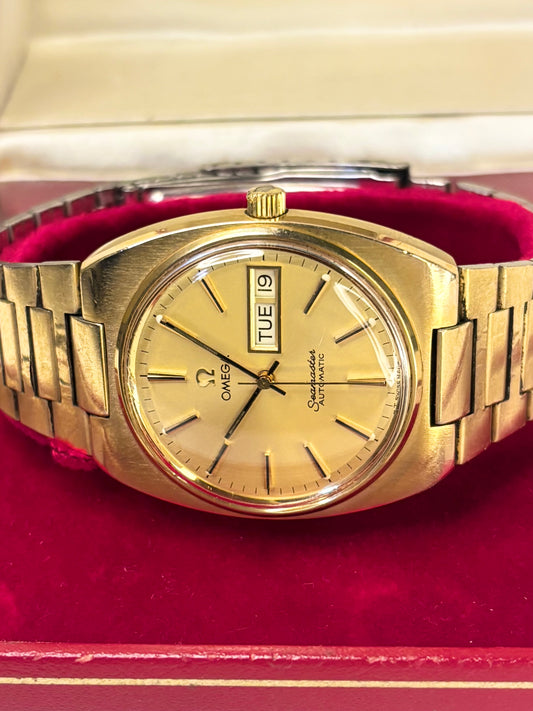
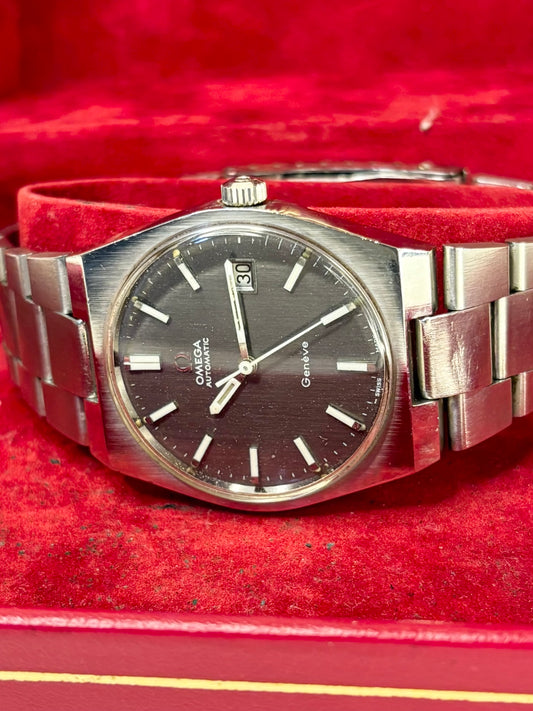
The OMEGA Constellation - Vintage 1960's Automatic - Box and Papers - Reference 14381 is another wonderful example, presented complete with its box and papers - a classic vintage Omega timepiece carrying all the prestige the chronometer designation implies.
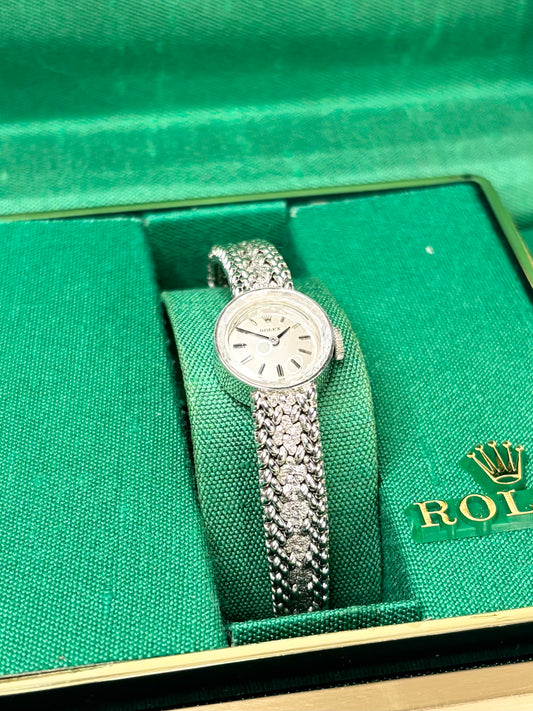
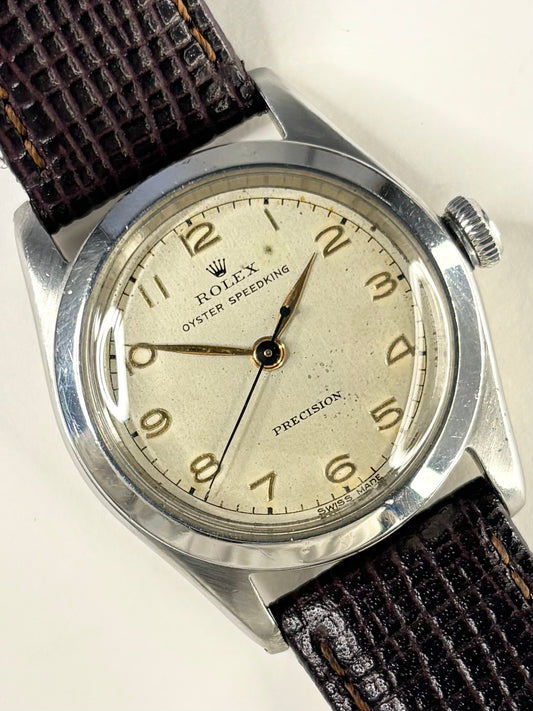
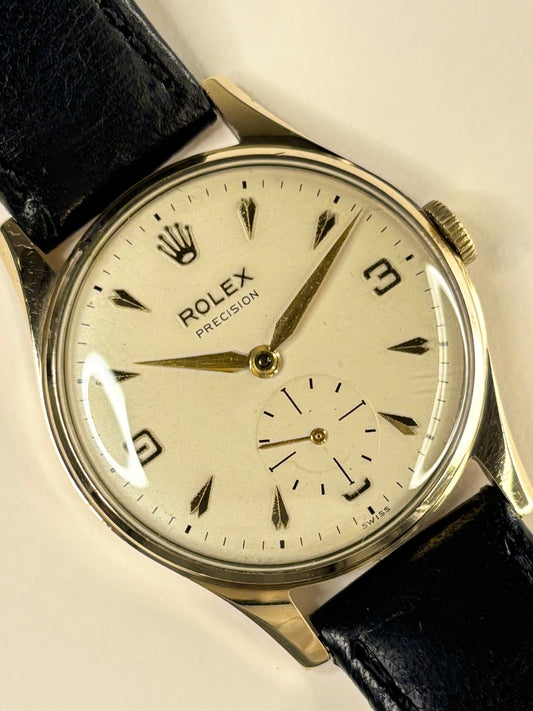
Rolex, too, built much of its reputation on chronometer-certified movements, and a vintage Rolex chronometer carries the same guarantee of certified precision. For collectors, the chronometer designation remains a genuine mark of quality and a meaningful part of a watch's story.
Check out our full vintage Omega collection today!
Why It Matters to Collectors
Understanding the chronometer designation genuinely enriches the experience of collecting vintage watches. It tells you that a timepiece was, in its day, certified among the most accurate available - a precision instrument that met the most demanding standards of its era. That heritage of accuracy is part of what makes a vintage chronometer so satisfying to own.
It is also a useful marker of quality when buying. A certified chronometer movement was, by definition, a superior movement - and a vintage Omega Constellation or vintage Rolex chronometer represents watchmaking at a genuinely high level, which is reflected in both the wearing experience and the lasting appeal of these pieces.
At AR Collectables, we have a real love for vintage chronometers, and the Omega Constellation in particular. If you would like to know more about any certified timepiece in our collection, or are looking to buy a vintage Omega watch with genuine chronometer pedigree, just drop us a message - we would love to help. 🤝
Check out our full vintage watch collection today!