
What Does 'ETA' Mean on a Vintage Watch Movement?
If you have looked inside a vintage watch, or read a description of one, you may well have come across the letters ETA, usually followed by a number such as ETA 2472 or ETA 2783. It is one of the most significant names in all of watchmaking - and one that remains hugely important to this day. Understanding what ETA means tells you something genuinely reassuring about your watch. Here is everything you need to know.
What Does ETA Mean?
On a vintage watch movement, ETA is the name of the movement's maker - one of the most important and renowned movement manufacturers in the history of Swiss watchmaking. So when you see ETA on a movement, it means the movement was made by ETA, and any number that follows, such as ETA 2472, is the calibre number identifying that particular movement.
Like A. Schild, as we discuss in our guide to what AS means on a movement, ETA was not primarily a watch brand in its own right - it was a specialist movement maker, an ébauche maker, supplying movements to a vast range of watch brands who fitted them into their own watches, as we explain in our complete guide to vintage watch movement makers. This is why you may find an ETA movement inside a watch carrying a quite different name on the dial.
Who Is ETA?
ETA is perhaps the most famous movement manufacturer of all, and unlike many of the vintage ébauche makers, it remains a giant of the watch industry to this day. ETA specialised in producing movements in very large numbers, to a genuine standard of quality, supplying them to an enormous range of watch brands across every level of the market.
What sets ETA apart is both its scale and its longevity. Where many of the great vintage movement makers have faded into history, ETA grew to become the dominant movement manufacturer in Switzerland, and its calibres power a huge number of watches, vintage and modern alike. For the vintage enthusiast, ETA is one of the most important names to know - and finding an ETA movement in a vintage watch connects it to one of the great continuing stories in watchmaking.
Are ETA Movements Any Good?
This is the key question, and the answer is genuinely reassuring - yes, very much so. ETA movements have an excellent reputation, and are widely regarded as among the finest and most reliable workhorse movements ever made.
This reputation is well earned. ETA calibres are known for their quality, reliability, and serviceability - they keep good time, run dependably for decades, and a watchmaker can readily service them, with parts being relatively available thanks to how widely used these movements are. So respected are ETA movements that a great many prestigious watch brands have used them over the years, often as the dependable, high-quality heart of watches sold under far more famous names. An ETA movement inside a vintage watch is a genuine mark of quality and dependability - something to be pleased about, not concerned by.
Why the Movement Name Differs From the Dial

As with any ébauche movement, it can be puzzling at first to find ETA on the movement but a different name on the dial. But as we explore in our guide to vintage watch movement makers, this was entirely normal and legitimate. A great many watch brands bought in quality movements from specialist makers like ETA, then finished and fitted them under their own name.
So a vintage watch with an ETA movement is exactly as it should be - a genuine watch from its brand, powered by a quality bought-in movement from one of the very best movement makers in the business. Indeed, given ETA's excellent reputation, finding one of its movements inside is often a genuine mark in a watch's favour.
How to Spot an ETA Movement
If you are curious whether your vintage watch has an ETA movement, the marking is found on the movement itself, inside the caseback, rather than on the dial. On the movement, you may see the letters ETA, or the ETA name or maker's mark, together with a calibre number such as ETA 2472, 2783, and so on, identifying both the maker and the specific calibre.
As ever, opening a watch case is a job best left to a watch professional, as we discuss in our guide to finding a good watchmaker, so there is no need to investigate at home. But when a watch is serviced, or in a detailed description, the movement markings are where an ETA calibre reveals itself.
A Genuine Vintage Watch From Our Collection
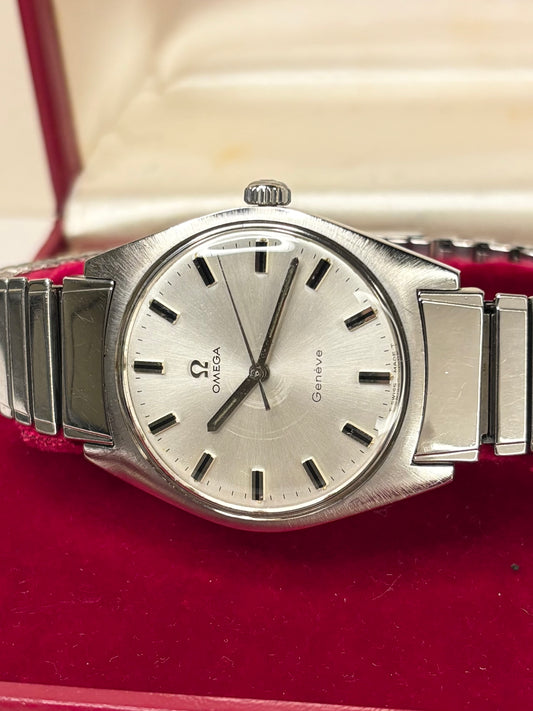
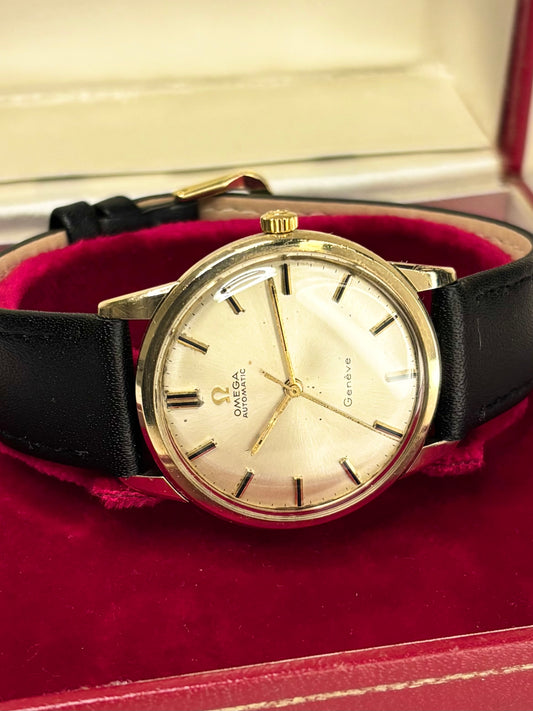
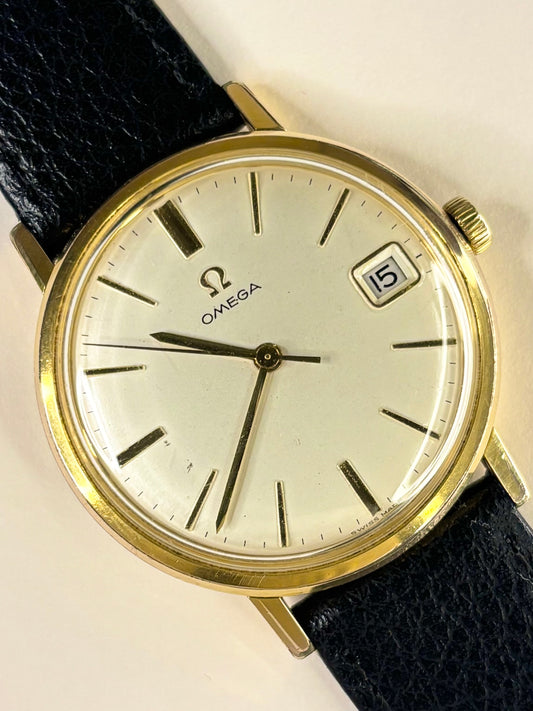
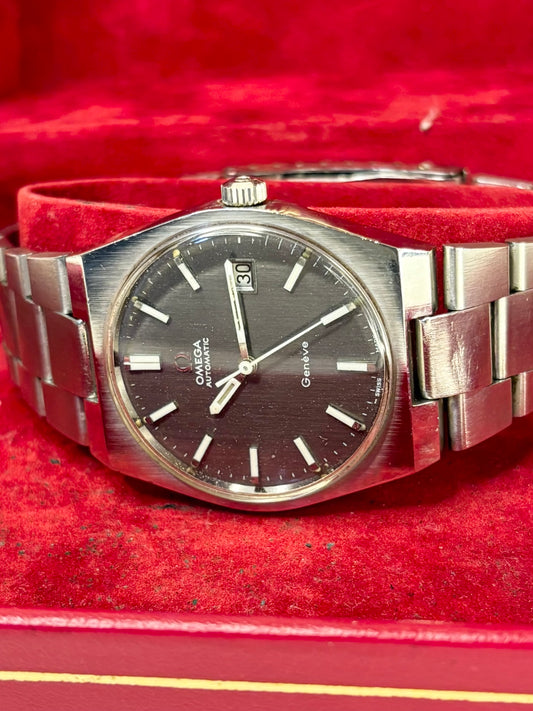
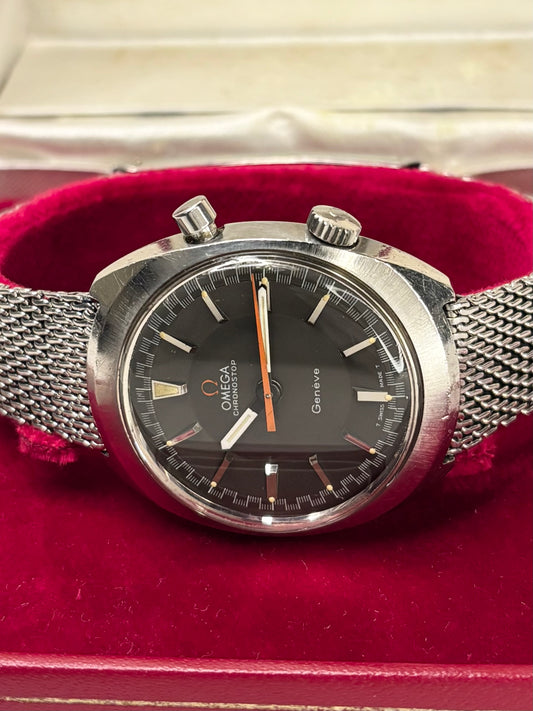
The Omega Genève - Vintage 1970's Men's Manual Dress Watch - Reference 135.041 is a lovely example of a quality vintage watch - the kind of genuine timepiece whose movement is a real part of its character, and a reminder of how much fascinating history lies hidden inside a vintage watch, as we explore in our guide to vintage Omega movements.
Browse our full vintage watch collection here!
A Final Thought
So, what does ETA mean on a vintage watch movement? It is the name of one of the greatest and most important movement makers in all of watchmaking - a specialist whose reliable, high-quality calibres power countless watches, vintage and modern alike, and which remains a giant of the industry today. Far from a concern, an ETA movement is a genuine mark of quality and dependability, and a lovely connection to one of the great continuing stories in horology. Next time you see those three letters, you will know exactly what they mean.
At AR Collectables, we love the hidden history and craftsmanship inside every vintage watch, and each piece in our collection is handpicked, cleaned, and tested. If you would like to know more about the movement inside a particular piece, or are looking to buy a genuine vintage watch, just drop me a message - we would love to help. 🤝
Check out our full vintage watch collection today!