
What is 'Lume' on a Vintage Watch? A Complete Guide to Luminous Dials
That soft glow from a watch dial in the dark is one of the small magic moments of owning a timepiece - and on a vintage watch, it tells a surprisingly rich story. The luminous material on a dial, known to enthusiasts as lume, is not just a practical feature for reading the time in low light. It is also one of the most useful clues for dating a vintage watch, one of the best indicators of originality, and one of the most beautiful sources of patina a classic timepiece can develop. Here is everything you need to know about lume.
What is Lume?

Lume - short for luminous material - is the substance applied to the hands and hour markers of a watch so that it can be read in the dark. It glows softly in low light, allowing the time to be told without any external light source, which was genuinely important in the days before bedside phones and illuminated screens.
The principle is simple - the material either stores light and releases it gradually, or generates its own glow - but the substances used to achieve this have changed dramatically over the past century, and understanding them is key to understanding any vintage timepiece.
The Three Eras of Vintage Lume
For the vintage watch collector, there are three main types of lume to know about, and they correspond neatly to different periods - which makes lume a wonderful tool for dating a watch.
Radium was the earliest luminous material, used from the early twentieth century right through to around the 1960s. It is genuinely radioactive, and it works by combining a radioactive element with a phosphor that glows when struck by the radiation - meaning it glows continuously, with no need for charging. Radium lume was used throughout the 1940s and 1950s, and it is found on many military watches and dress watches of that era. We will come to the safety question shortly, but in dating terms, radium points to an earlier vintage timepiece.
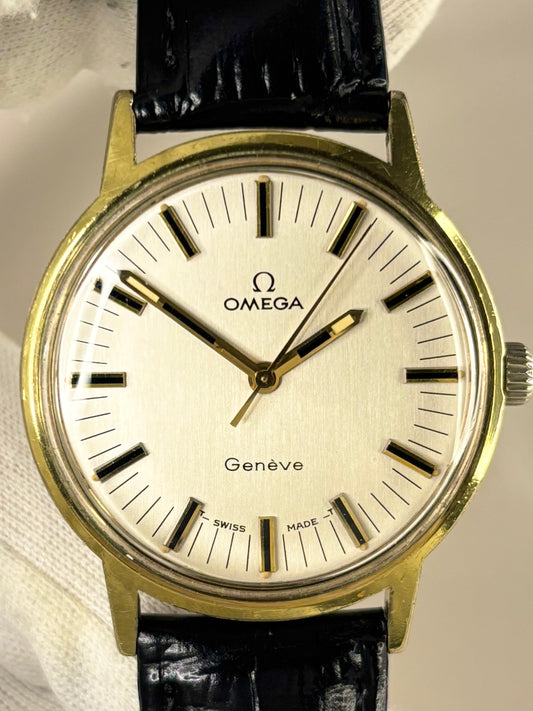
Tritium replaced radium from around the 1960s onwards, as the watch industry moved to a far safer luminous material. Tritium is also radioactive, but it is a very low-energy emitter and considerably safer than radium. Crucially for collectors, watches using tritium are often marked on the dial with a telltale indicator - you may see T SWISS T, T<25, or simply a T near the bottom of the dial. These markings are a brilliant dating clue, indicating a watch from roughly the 1960s through to the 1990s.
Super-LumiNova and its predecessor LumiNova arrived in the 1990s and remain the standard today. This is a non-radioactive, photoluminescent material - it charges up when exposed to light and then glows in the dark, fading gradually until recharged. It is completely safe and does not decay, and its arrival marked the end of radioactive lume in watchmaking.
Is Radium Lume Dangerous?
This is a question worth answering honestly and calmly. Radium lume is radioactive, and that understandably gives some people pause. However, the consensus is that the risk from simply wearing or owning an intact vintage watch with radium lume is generally considered very low - the watch case contains the material, and the amounts involved are small.
The sensible precautions are straightforward. The dial and hands should not be opened up, scratched, or otherwise disturbed, as the risk comes principally from ingesting or inhaling radium particles rather than from the intact watch itself. Servicing of such watches should be carried out by a professional watchmaker who is aware of the material and equipped to handle it appropriately. Treated with this basic, sensible care, a vintage radium-lumed timepiece can be worn and enjoyed - and millions are, all over the world. As with so much of vintage watch ownership, a little knowledge and a little care go a long way.
The Beauty of Aged Lume

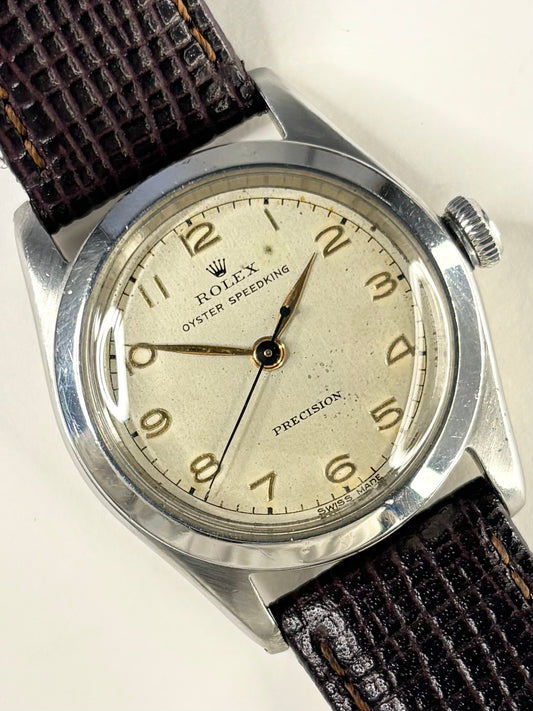
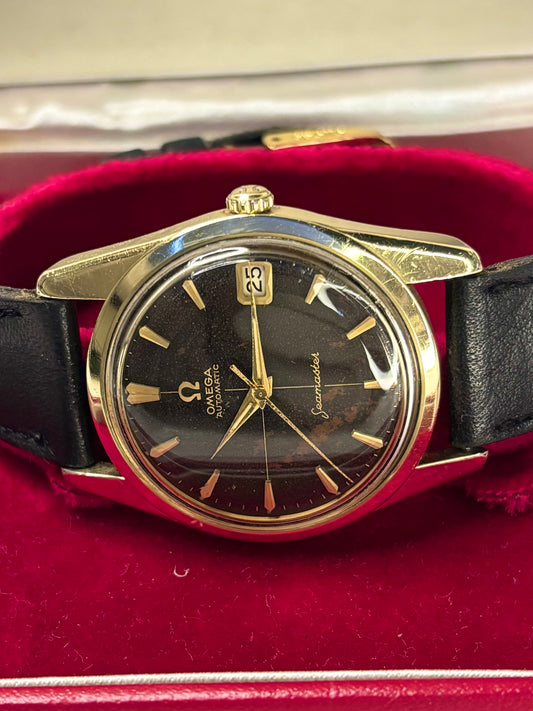
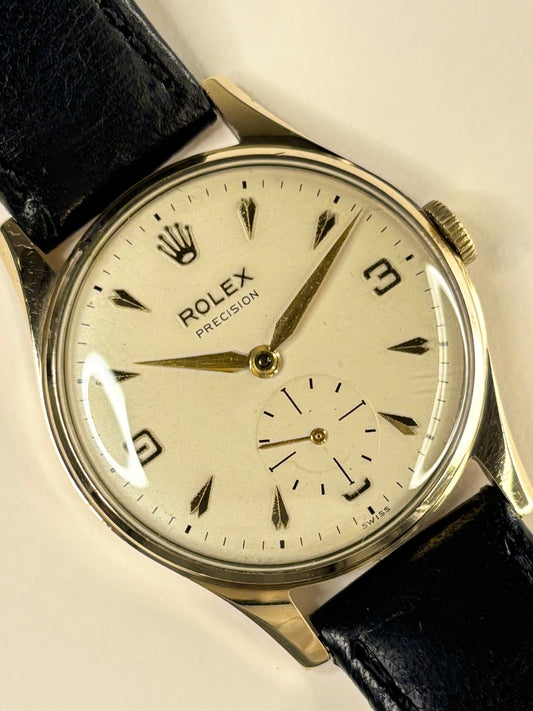
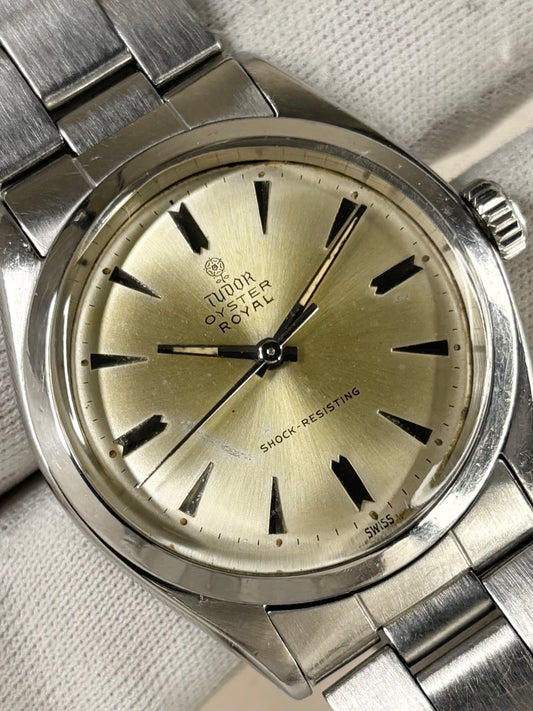
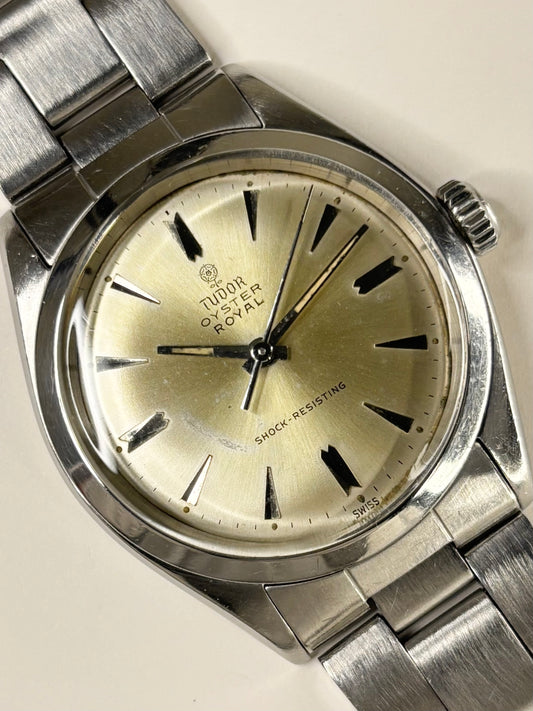
Beyond its practical and dating roles, lume is also one of the most beautiful sources of character a vintage watch can develop. Over the decades, the luminous material on a dial ages and changes colour, shifting from its original bright white or green to warm tones of cream, ivory, and eventually rich caramel or amber on the oldest examples.
This aged lume is enormously prized by collectors. A vintage timepiece where the lume has developed a warm, even, honeyed tone across both the dial and the hands has a depth of character that simply cannot be faked - and it is one of the most desirable forms of patina a watch can have. We explore this in more detail in our guide to the types of patina found on vintage watches.
Lume and Originality - a Key Authenticity Check
Here is one of the most valuable things lume can tell you. On a genuine, untouched vintage watch, the lume on the dial and the lume on the hands will have aged together, over the same decades, to the same colour and tone. They should match.
When they do not - when the dial lume is a rich aged cream but the hands are bright and fresh, or vice versa - it strongly suggests that one of them has been replaced, relumed, or refinished. A mismatch in lume is one of the clearest signs that a watch may not be entirely original, which is why it is one of the first things experienced collectors check, as we discuss in our guides to spotting a refinished dial and spotting a fake vintage watch.
Why Old Lume Often Doesn't Glow Anymore
One last thing worth knowing - if you own a vintage watch and find that its lume no longer glows, do not be alarmed. This is completely normal. Both radium and tritium degrade over time - the phosphor in radium lume breaks down, and tritium steadily loses its luminosity over the decades. So a vintage timepiece from the 1950s or 1960s may have lume that has long since stopped glowing, even though the material is still present on the dial. Far from being a fault, that faded, non-glowing lume is simply the honest mark of a watch that has lived through many decades - and the warm patina it leaves behind is part of the charm.
A Final Thought
Lume is one of those details that rewards a closer look. It helps date a watch, it reveals whether a dial and hands are original, it develops into beautiful patina, and it connects a vintage timepiece directly to the watchmaking practices of its era. The next time you look at a vintage watch, take a moment to study the lume - it has more to tell you than you might think.
At AR Collectables, every vintage timepiece in our collection is carefully checked and honestly described, lume and all. If you would like to know more about a specific piece, or are looking to buy a vintage watch with genuine, original character, just drop us a message - we would love to help. 🤝
Check out our full vintage watch collection today!