
What is a NATO Strap? The History, the Style, and Why Watch Collectors Love Them
If you have spent any time browsing vintage watches or talking to collectors, you will have heard the term NATO strap come up sooner or later. They are everywhere - draped across vintage Rolex Submariners in auction catalogues, looped through the lugs of well-worn Omega Seamasters, stacked in every colour imaginable on watch accessory websites. But what actually is a NATO strap, where did it come from, and why do so many collectors and enthusiasts reach for one when it comes to pairing a strap with their timepiece?
The answer involves the British military, a very famous spy, and one of the most elegant and practical strap designs ever conceived. Let's get into it.
Where Did the NATO Strap Come From?
The NATO strap has a genuinely fascinating origin story, and it is one that gives the design a real sense of heritage and purpose that most watch straps simply cannot match.
In 1973, the British Ministry of Defence issued a new standard specification for watch straps to be worn by military personnel. The specification - officially catalogued as NATO Stock Number 6645-99-130-6012, which is where the name NATO strap ultimately comes from - described a strap made from a single length of woven nylon, threaded through both spring bars of a watch and secured with a simple metal buckle and keeper ring.
The design was entirely practical in its intent. By threading a single piece of nylon behind the watch case and through both spring bars, the strap ensured that if one spring bar failed - a real concern in demanding field conditions - the watch would not fall from the wrist. It would simply drop onto the second layer of the strap and stay put. For a soldier in the field, that reliability was genuinely important.
The original NATO strap was issued in a plain grey nylon, and it was strictly a piece of military equipment. Nobody at the time could have predicted that half a century later it would become one of the most popular and beloved strap styles in the entire world of watch collecting.
The James Bond Effect
No conversation about the rise of the NATO strap in popular culture would be complete without mentioning its most famous wearer.
In the 1964 film Goldfinger, Sean Connery's James Bond is seen wearing his Rolex Submariner on what appears to be a simple striped strap - an image that lodged itself in the collective memory of watch enthusiasts and has never really left. Whether this was an intentional styling choice or simply a practical decision made on set is a matter of some debate, but the effect was undeniable. The combination of a rugged vintage sports timepiece on a simple, unfussy strap had a coolness to it that felt completely effortless - and collectors have been chasing that particular combination ever since.
The Bond connection helped transform the NATO strap from a piece of military kit into a genuine style object, and its influence on how collectors think about pairing straps with vintage watches can hardly be overstated.
NATO Straps and Vintage Watches - a Natural Pairing
There is something about the combination of a vintage timepiece and a NATO strap that just works - and it is not hard to understand why once you think about it.
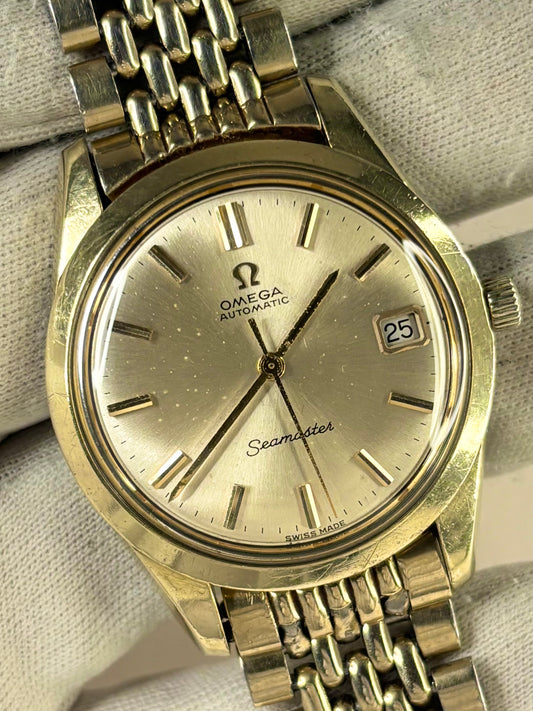
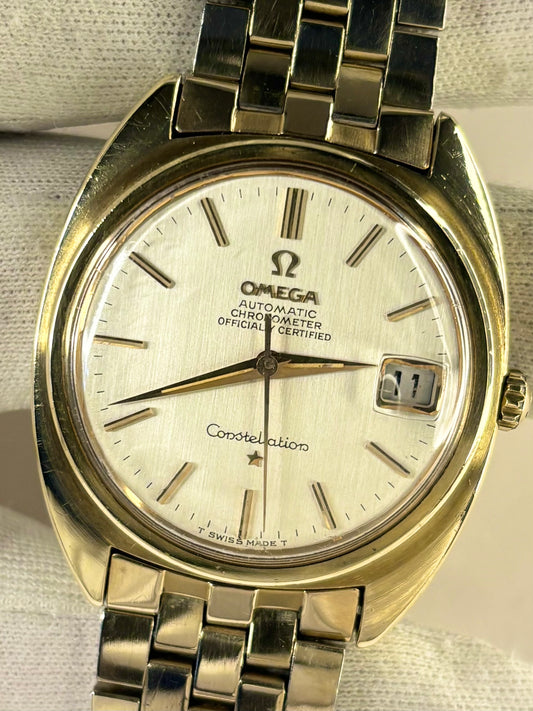
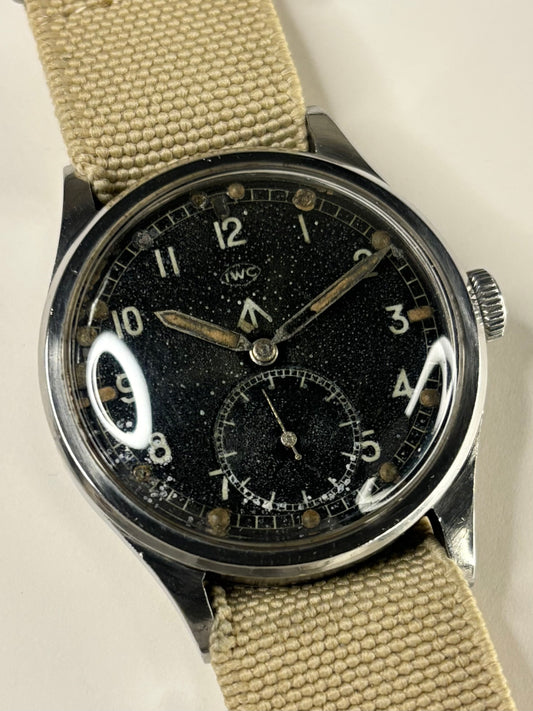
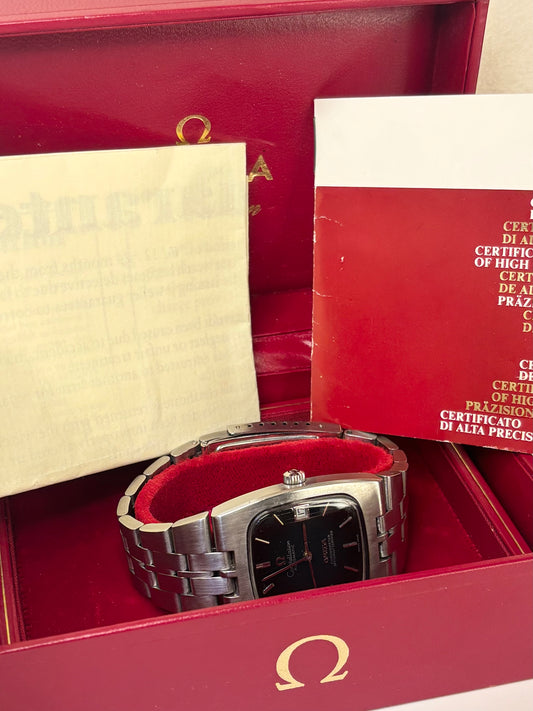
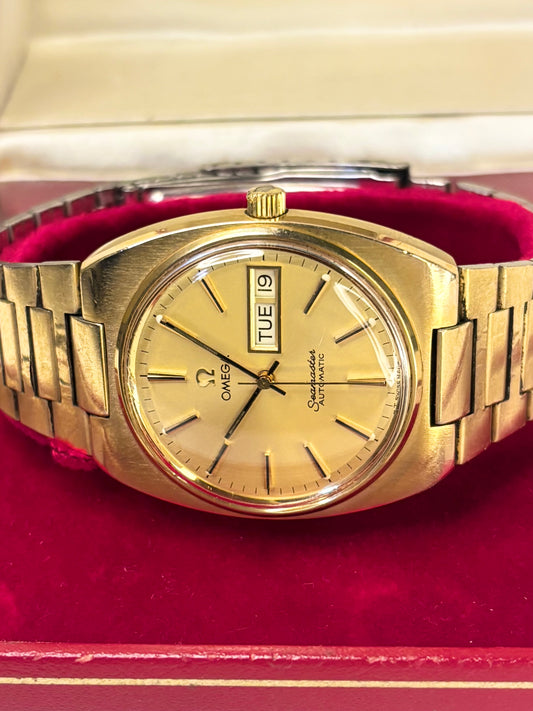
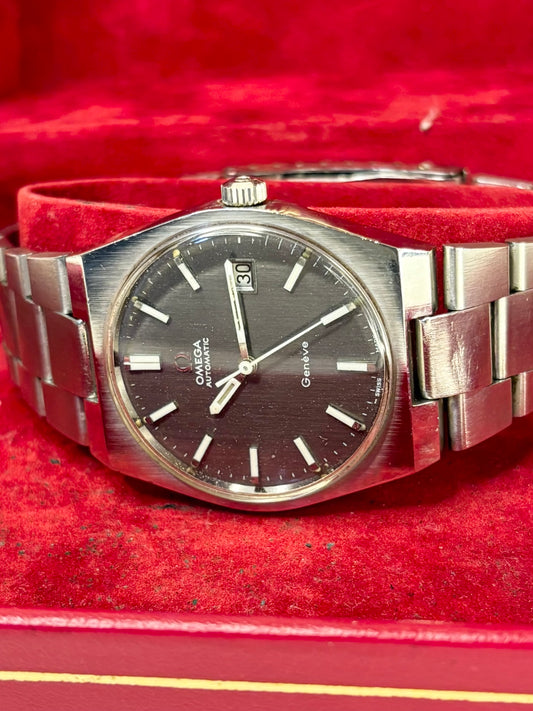
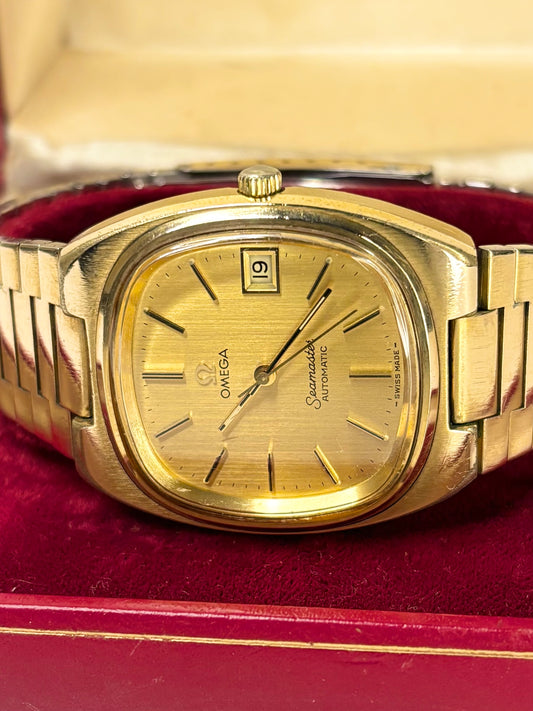
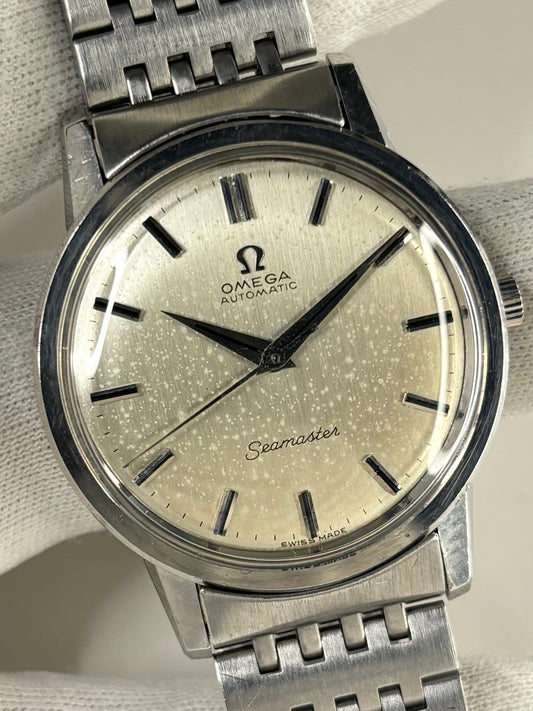
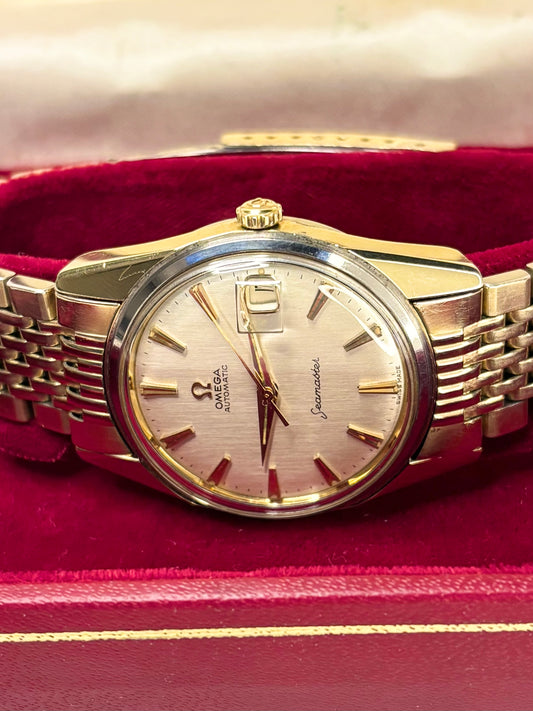
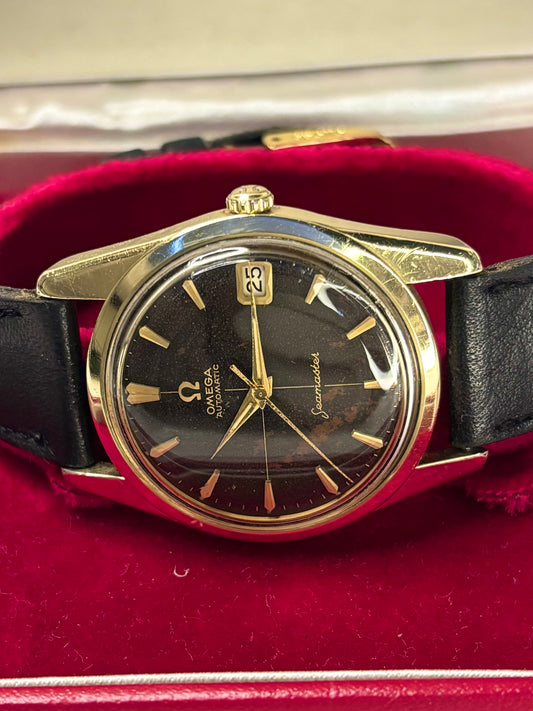
Vintage sports watches in particular - the dive watches, the field watches, the tool timepieces of the 1960s and 1970s - were designed for exactly the kind of active, demanding use that a NATO strap was built to handle. Putting a NATO strap on a vintage Omega Seamaster or a well-worn vintage field watch is not anachronistic - it is entirely in the spirit of what those timepieces were made for. The combination of patinated vintage character and the casual, unfussy nature of a NATO strap creates a look that is confident, authentic, and genuinely hard to pull off with any other strap style.
Even on dressier vintage pieces, a simple solid-colour NATO can work beautifully - softening the formality of the watch and giving it a more relaxed, contemporary wearability that suits everyday life perfectly.
Browse our full collection of vintage timepieces today!
Nylon or Leather - Which NATO Strap is Right For You?
When most people think of a NATO strap, they picture the classic woven nylon version - and rightly so, given that nylon is where the design began. But the NATO format has been enthusiastically adopted by leather strap makers too, and a premium leather NATO strap is one of the most interesting and versatile options available to a vintage watch collector today.
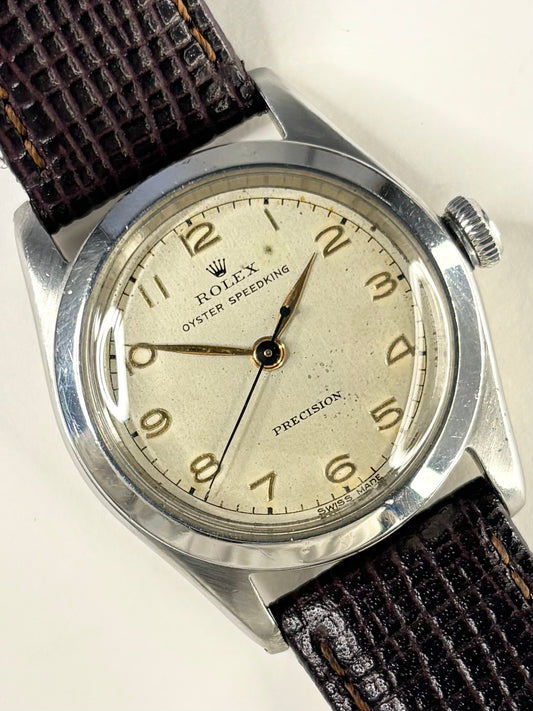
A quality leather NATO strap takes the same single-piece, double-layer construction of the original design and executes it in a genuinely luxurious material. The result is a strap that offers all of the security and practicality of the NATO format while adding the warmth, character, and premium feel of a quality leather strap. A leather NATO in a rich tan calf leather paired with a vintage dress watch is a particularly compelling combination - casual enough for everyday wear, refined enough for almost any occasion.
The key things to look for in a quality leather NATO are the same as with any premium leather strap - the quality and suppleness of the leather itself, the precision of the stitching, the finishing of the edges, and the weight and quality of the hardware. A well-made leather NATO strap will last for years and develop its own beautiful character over time, moulding gently to the wrist and improving with every wear.
Browse our premium leather strap collection today!
The Different Styles of NATO Strap
Over the decades since 1973, the basic NATO design has evolved and diversified, and it is worth knowing the main variants you will encounter.
The classic NATO - sometimes called a G10 strap, after another NATO stock designation - is the original single-piece nylon design. It is available in an enormous range of colours and stripe combinations, and the sheer variety on offer makes it one of the most enjoyable strap styles to collect and experiment with.
The Zulu strap is a close relative of the NATO, made from thicker, heavier nylon and fitted with larger, more substantial metal rings and hardware. It has a bolder, more robust character than the classic NATO and suits larger vintage sports watches particularly well.
The single-pass NATO - sometimes called a racing NATO - uses a simpler construction with a single layer of material beneath the watch rather than the traditional double layer. It sits lower on the wrist and has a cleaner, slimmer profile that works beautifully on smaller vintage timepieces where the bulk of a traditional NATO might feel excessive.
A Strap With a Story
What sets the NATO strap apart from almost every other strap style available today is the fact that it carries genuine history with it. This is not a design created for aesthetic reasons or to follow a trend - it is a solution to a real problem, developed by military engineers and proven in demanding conditions over more than fifty years. That heritage gives every NATO strap a sense of purpose and authenticity that is very hard to manufacture from scratch.
Whether you choose a classic nylon NATO in a bold stripe combination, a simple solid-colour everyday option, or a premium leather strap for a more refined take - you are wearing something with a real story behind it. And on a vintage watch with its own decades of history, that feels entirely right.
At AR Collectables, we love pairing vintage timepieces with the right strap - NATO or otherwise. If you have any questions about which strap might suit a particular watch in our collection, drop us a message. We are always happy to help. 🤝
Browse our full strap collection today!