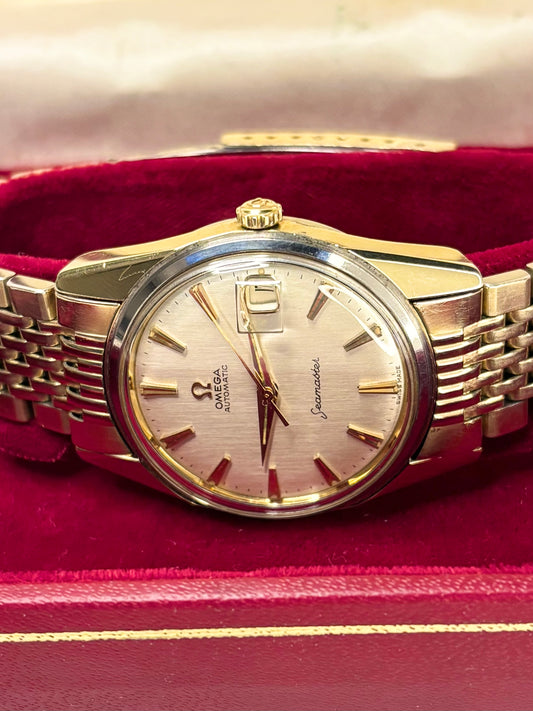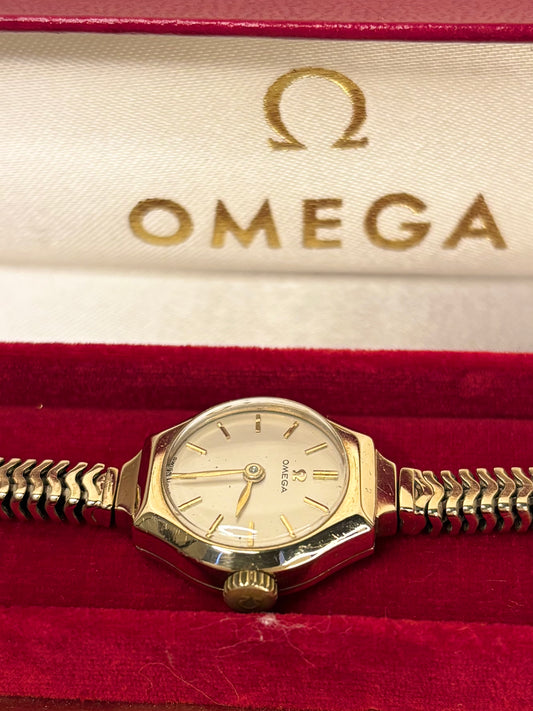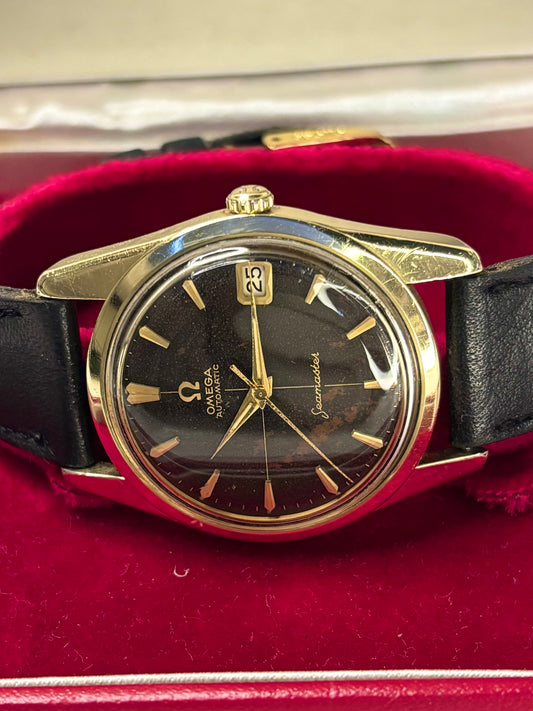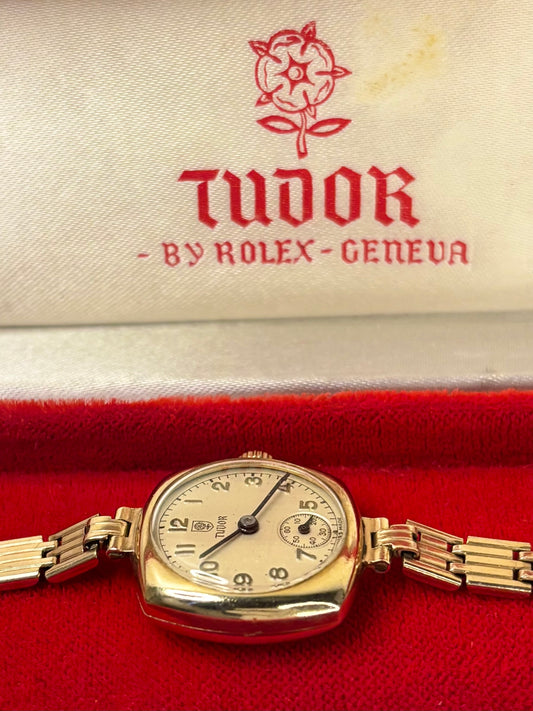

What is a Guilloche Dial? A Guide to One of the Most Unique Dials
Among all the beautiful finishes found on watch dials, few are as intricate, as skilled, or as genuinely mesmerising as guilloché. Look closely at a guilloché dial and you will see an astonishingly precise repeating pattern - waves, grains, or geometric shapes - engraved into the surface, catching the light in a way that gives the dial extraordinary depth and life. But what exactly is a guilloché dial, how is it made, and why is it so admired? Here is everything you need to know.
What is a Guilloché Dial?

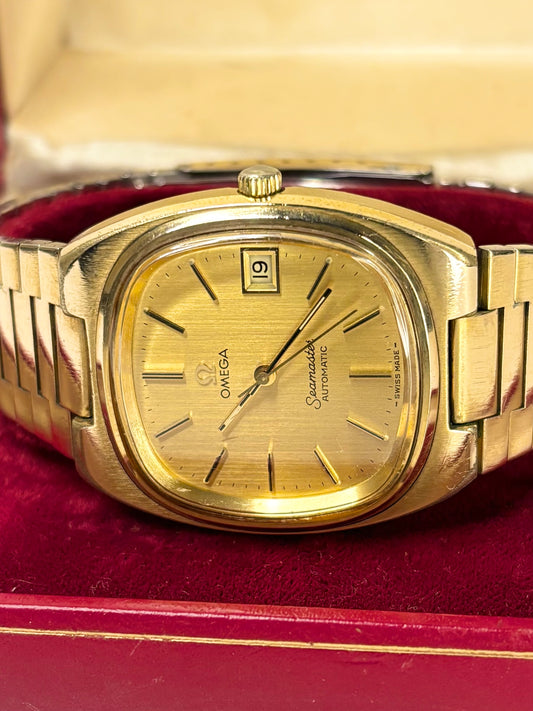
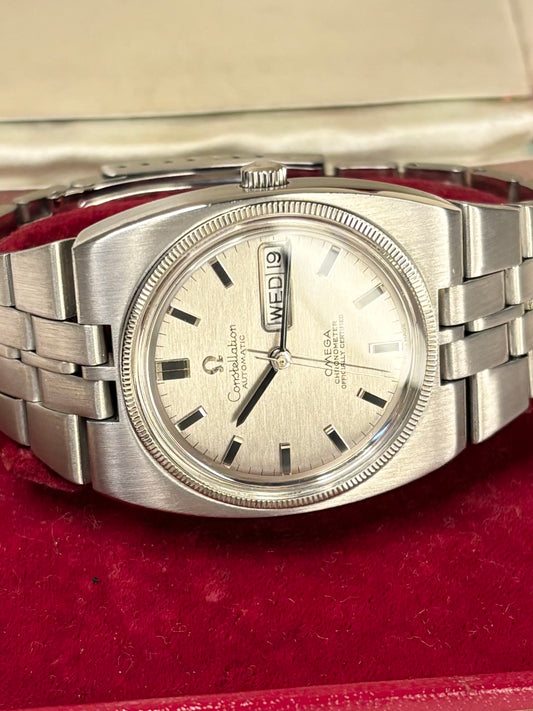
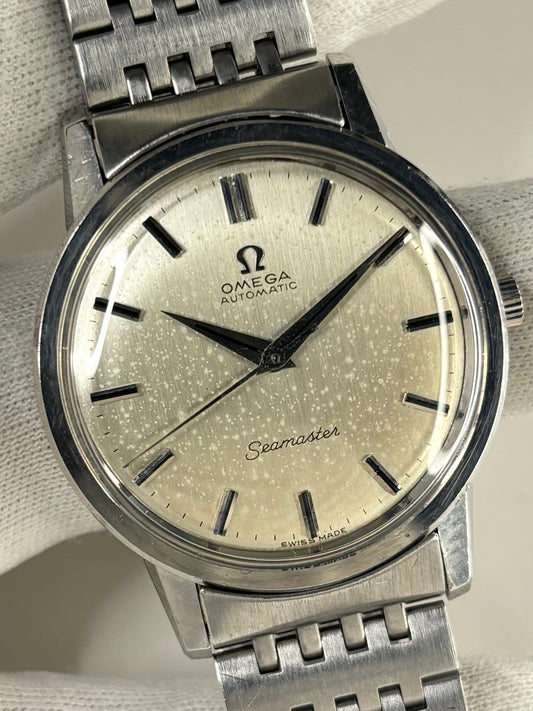
A guilloché dial is a dial decorated with an intricate, precise, repeating pattern that has been engraved into its surface. The technique - known as guilloché, or sometimes engine-turning - produces beautifully regular geometric designs of remarkable fineness and complexity, transforming a plain dial into a genuine work of decorative art.
The word itself is French, and it is pronounced roughly gee-oh-shay - a small detail that watch enthusiasts enjoy getting right. The effect is unmistakable once you know it - a finely engraved, repeating pattern that seems to shimmer and shift as the light plays across its precisely cut surface.
How is Guilloché Made?
Traditional guilloché is a genuinely remarkable craft, and understanding how it is made is a large part of appreciating why it is so prized.
True guilloché is created using a specialist hand-operated machine - a rose engine or a straight-line engine. These are intricate, antique lathe-like devices, and in the hands of a skilled craftsperson they cut precise, repeating patterns into the dial surface by moving the metal against a cutting tool in carefully controlled ways. It is painstaking, highly skilled work, requiring years of experience to master, and a single mistake can ruin an entire dial. This is why genuine hand-engraved guilloché has always been associated with the finest watchmaking.
It is worth knowing that many watches described as having a guilloché dial actually feature a stamped or pressed pattern that imitates the look of true engine-turned guilloché, rather than being individually hand-engraved. This is far more common and more affordable, and it can still look beautiful - but genuine hand-executed guilloché remains a rare and precious thing.
Common Guilloché Patterns
Part of the beauty of guilloché lies in the variety of patterns that can be created, each with its own name and character. Among the most celebrated are barleycorn - known in French as grain d'orge - a fine grain-like texture; clous de Paris, or hobnail, a pattern of tiny raised pyramids; waves, or vagues, flowing rippled lines; basketweave, resembling woven material; and sunburst-style radiating patterns. Each catches the light differently, and each gives a dial its own distinct personality.
A Little History
Guilloché has a long and distinguished history in watchmaking. The technique was famously embraced by Abraham-Louis Breguet, one of the greatest watchmakers of all time, who used guilloché dials extensively on his timepieces in the late eighteenth and early nineteenth centuries - both for their beauty and for the practical way the engraving helped distinguish different areas of the dial. Ever since, guilloché has been associated with refinement, craftsmanship, and the very finest tradition of watchmaking.
Why Guilloché Dials Are So Prized
The appeal of a guilloché dial is easy to understand. It represents genuine craftsmanship - a level of skill and artistry that elevates a watch far beyond the ordinary. It gives a dial extraordinary depth and a beautiful, ever-changing play of light. And it carries a sense of heritage and luxury that connects a timepiece to centuries of fine watchmaking tradition.
For the collector who appreciates craftsmanship and elegance, a beautiful guilloché dial is one of the most rewarding things a watch can offer.
Guilloché and Other Textured Dials
Guilloché sits within a wider family of textured and decorated dials, each with its own character. As we explore in our complete guide to vintage watch dials, dial finishes range from the shimmering radial effect of the sunburst dial to the fine woven texture of the linen dial. Guilloché is the most intricate and craft-intensive of them all - where a linen dial offers subtle texture and a sunburst dial offers dynamic shimmer, guilloché offers precise, engraved artistry of a genuinely different order.
A Final Thought
The guilloché dial is one of the great expressions of the watchmaker's art - a testament to skill, patience, and the pursuit of beauty. Whether genuinely hand-engraved on a fine timepiece or beautifully imitated on a more accessible one, the intricate, light-catching patterns of guilloché never fail to reward a closer look.
At AR Collectables, our collection includes a wonderful range of elegant vintage timepieces with beautiful dials, every one handpicked, cleaned, and tested. If you are drawn to craftsmanship and elegance and would like to buy a vintage watch with real character, just drop us a message - we would love to help. 🤝
Check out our full vintage watch collection today!