
What Are Arabic Numerals on a Watch? A Quick Guide
When browsing vintage watches, you will often see a dial described as having Arabic numerals - and it is one of those terms that sounds more technical than it really is. In truth, it describes something wonderfully familiar. Here is a quick, clear guide to what Arabic numerals are, how they compare to the alternatives, and what they bring to a watch dial.
What Are Arabic Numerals?

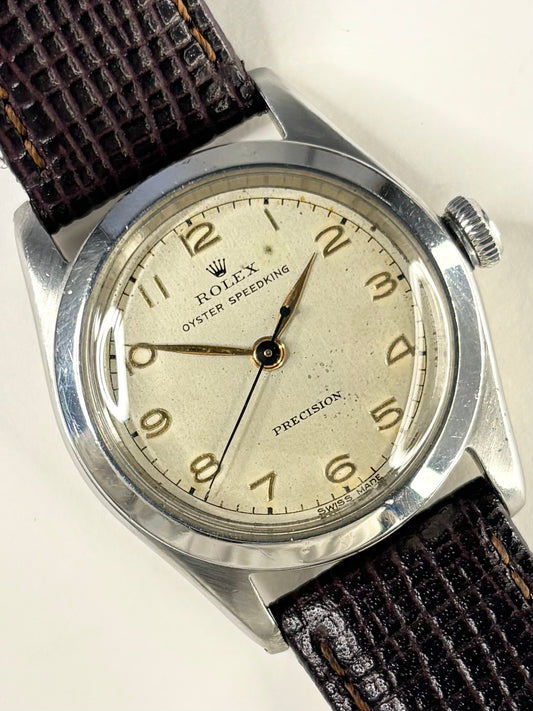
Arabic numerals are simply the everyday numbers we all use - 1, 2, 3, 4, and so on. When a watch dial is described as having Arabic numerals, it means the hour markers are these familiar numbers, printed or applied onto the dial, rather than Roman numerals or simple lines and shapes.
The name comes from the origins of the number system itself, which reached Europe through the Arab world - but the numerals themselves are exactly the ones you write every day. So a dial with Arabic numerals is, quite simply, a dial with ordinary numbers on it.
Full, Partial, or Mixed
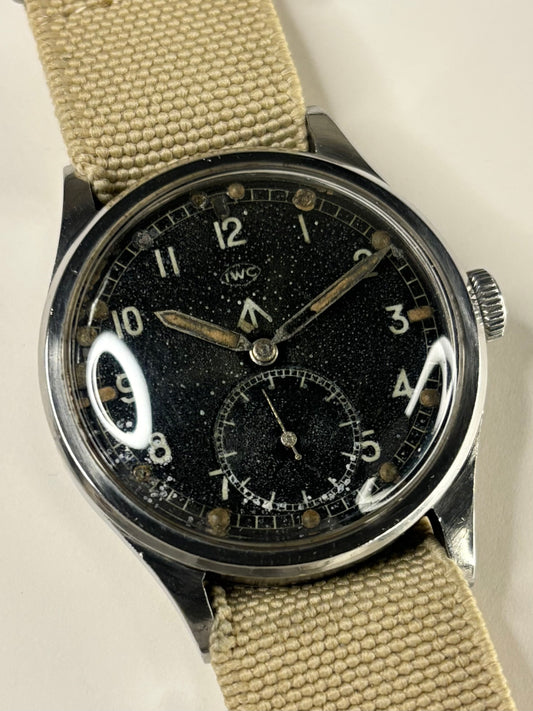
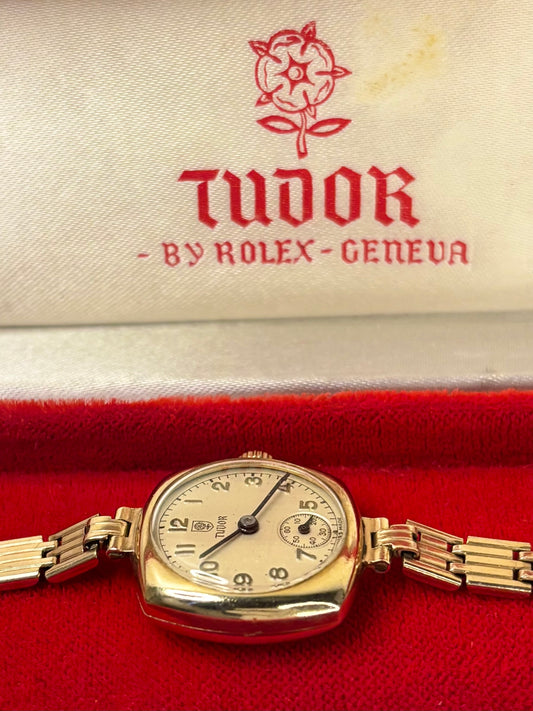
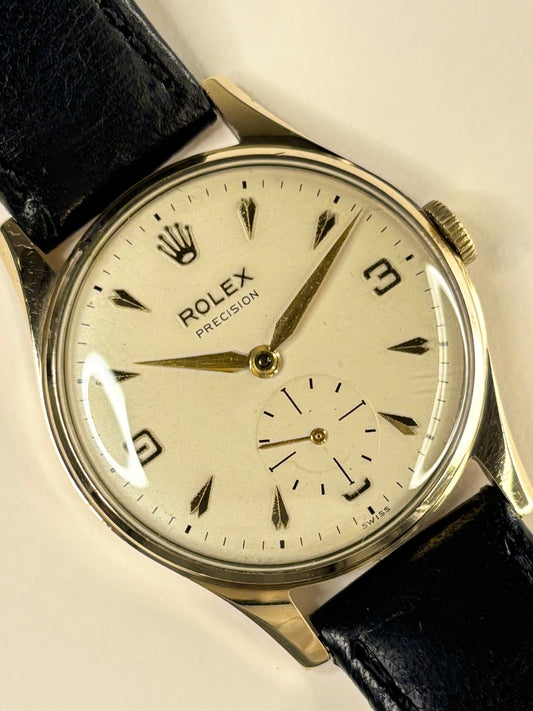
Not every dial with Arabic numerals uses all twelve. Some vintage watches feature a full set, with every hour from 1 to 12 marked out - a look that is bold, clear, and highly legible. Others use only some of them, most commonly at the quarters - 12, 3, 6, and 9 - with baton markers or other indices filling the remaining positions. This mixed arrangement is very common on vintage dress watches and gives a dial a lovely balance of legibility and elegance.
Arabic vs Roman vs Baton Markers
To understand what Arabic numerals bring to a dial, it helps to compare them with the alternatives.
Roman numerals - I, II, III, IV and so on - lend a dial a more formal, traditional, and classical character. They are often found on elegant dress watches, and they have a certain stately gravity to them.
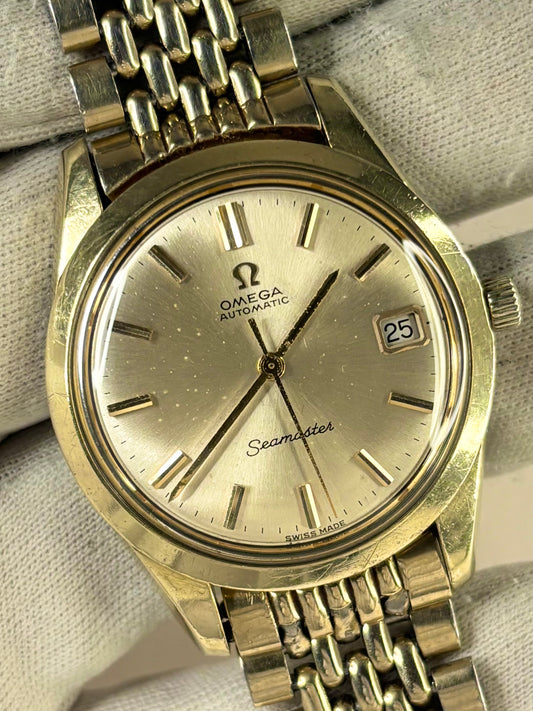
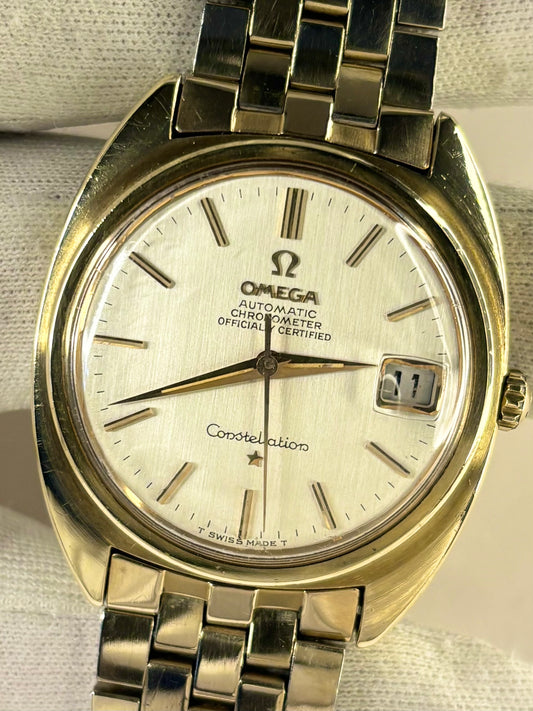
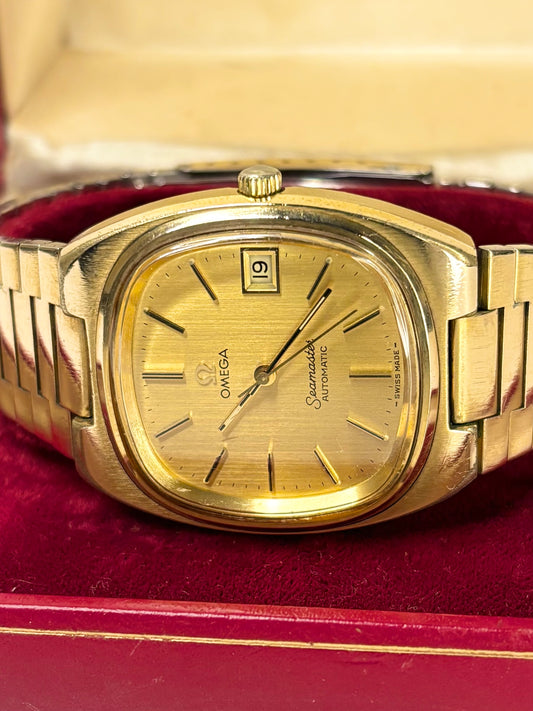
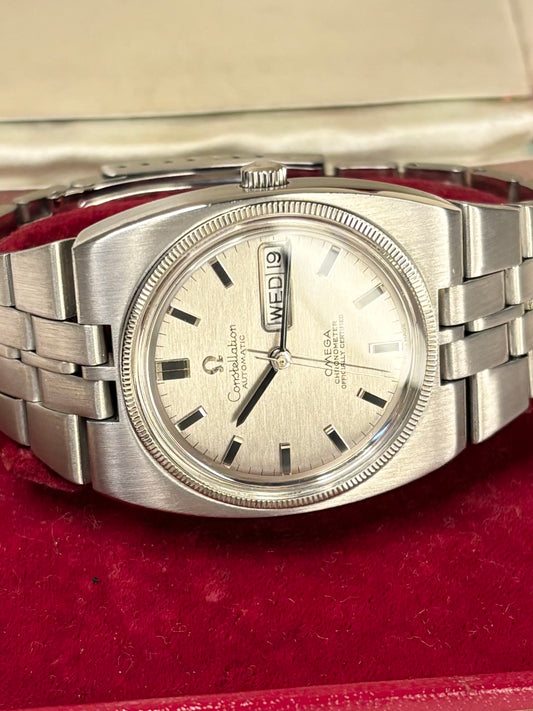
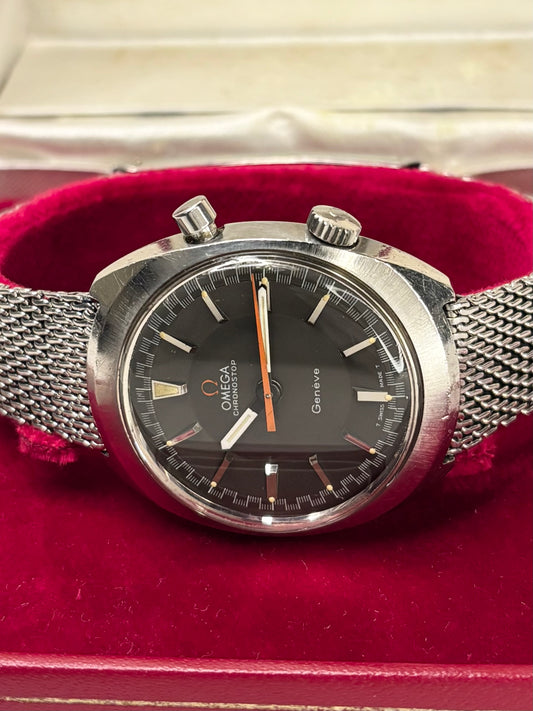
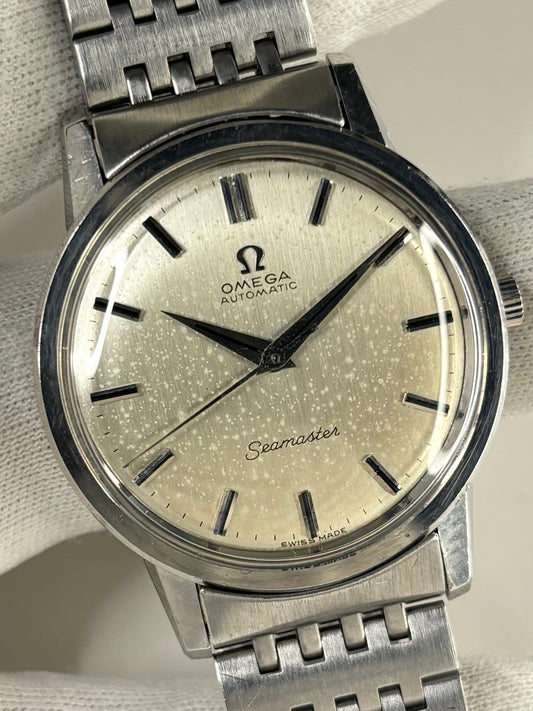
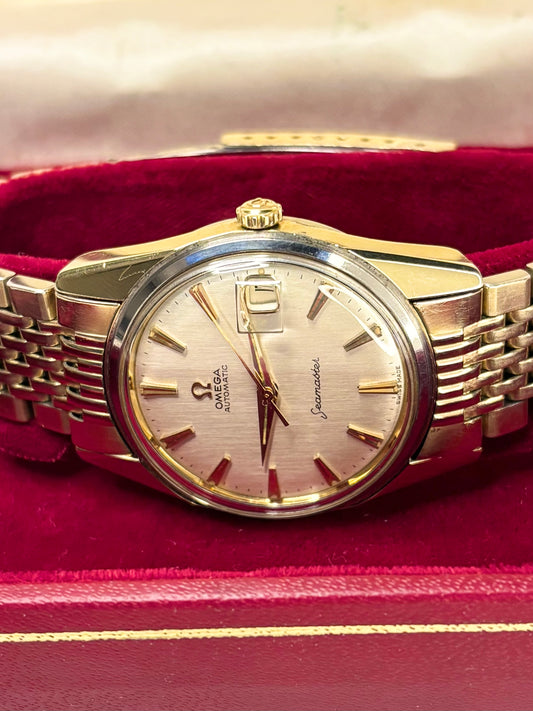
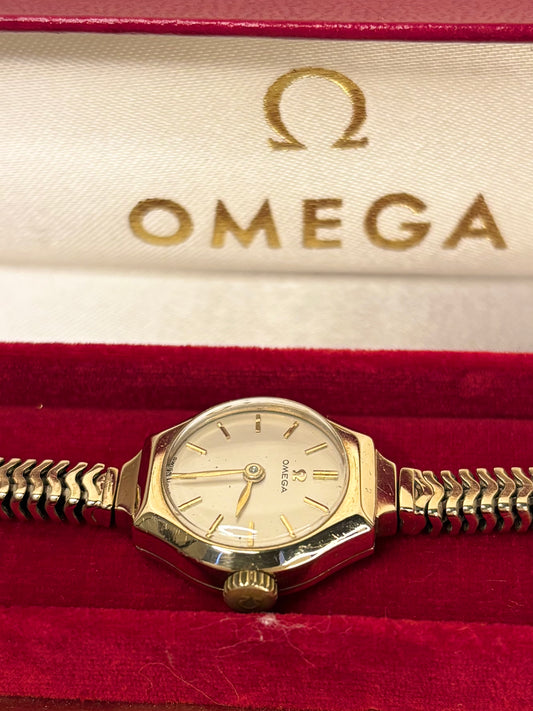
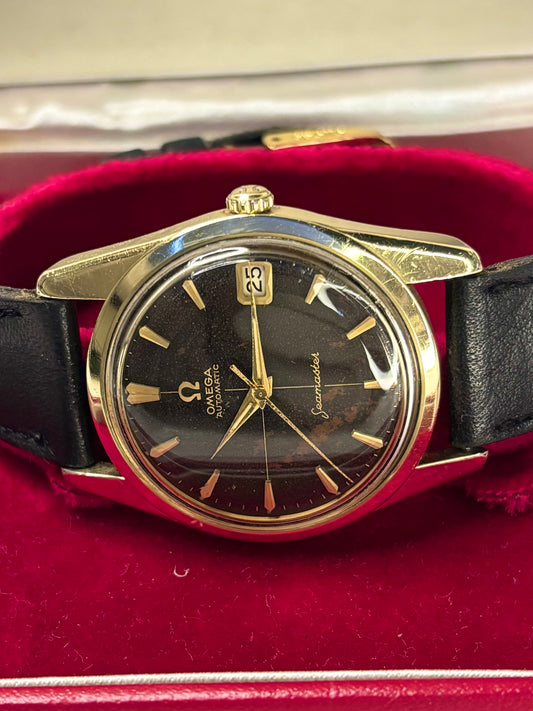
Baton markers, by contrast, are simple lines or bars with no numbers at all - clean, minimal, and modern in feel. They became especially popular through the 1960s, as we discuss in our guide to spotting a 1960s watch.
Arabic numerals sit between the two. They are the most legible and direct of the three, with a warm, honest, approachable character - clear to read at a glance, and unpretentious in the best possible way.
Where You'll Find Arabic Numerals

Arabic numerals appear across a wonderful range of vintage watches, but they are especially associated with two areas.
The first is military and field watches, where legibility was absolutely paramount. As we explore in our guide to telling if a watch is from WW2, wartime military timepieces almost invariably used bold, luminous Arabic numerals so the time could be read instantly and clearly in the most difficult conditions. Clarity, in these watches, was a matter of genuine importance.
The second is the elegant dress watches of the 1930s and 1940s, where beautifully stylised Arabic numerals - sometimes elongated, sometimes influenced by the geometric elegance of the Art Deco style - gave dials real character and charm. As we note in our guides to spotting a 1940s watch and to Art Deco watches, distinctive Arabic numerals are a real hallmark of these earlier decades.
A Final Thought
Arabic numerals may be the most familiar thing on a watch dial, but they are far from ordinary. Whether boldly luminous on a military timepiece or elegantly stylised on an Art Deco dress watch, they bring clarity, character, and warmth to a vintage watch - and the way a maker styled them tells you a great deal about the era and intent of the piece.
At AR Collectables, our collection includes a wonderful range of vintage timepieces with beautiful, original dials, every one handpicked, cleaned, and tested. If you would like to buy a vintage watch with real character, just drop us a message - we would love to help. 🤝
Check out our full vintage watch collection today!