
What Are Applied Indices on a Watch? A Guide to a Mark of Quality
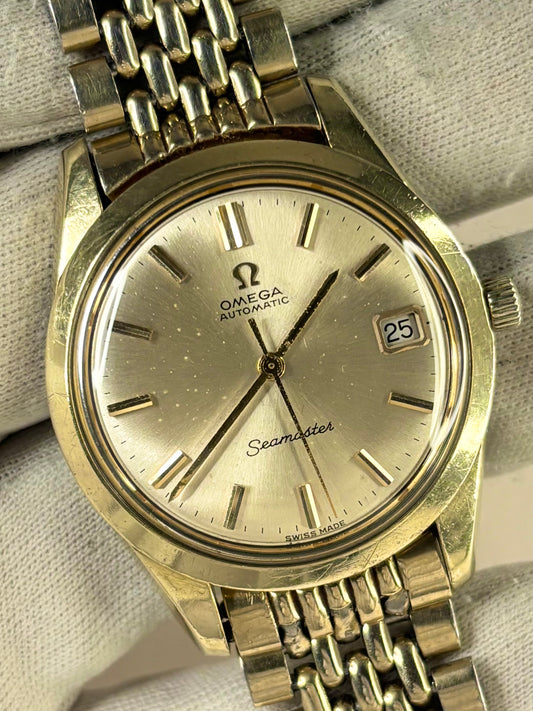
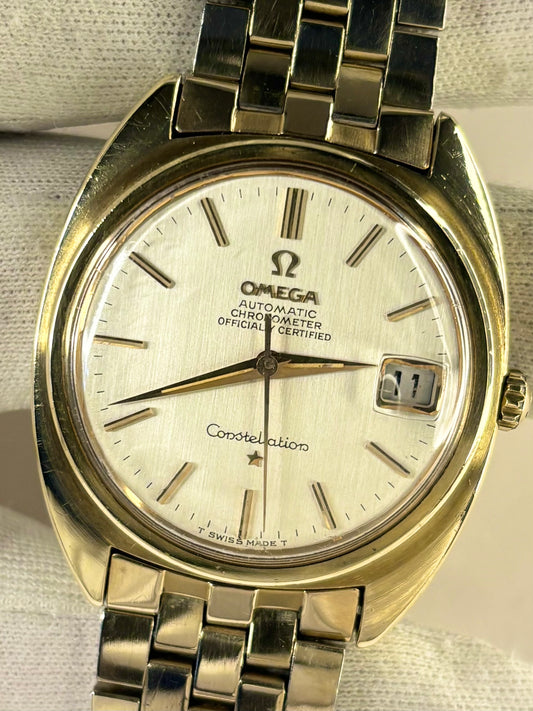
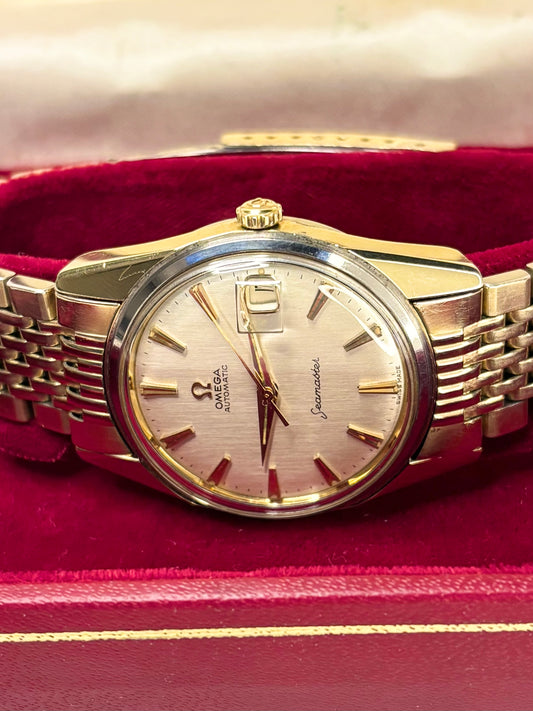
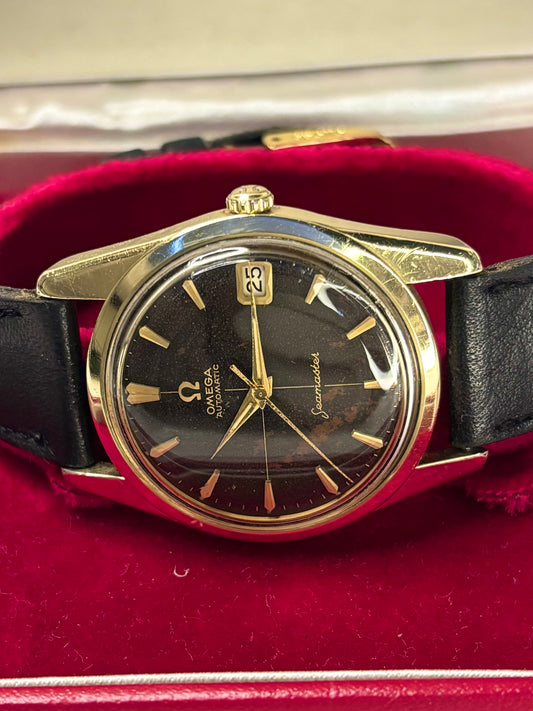
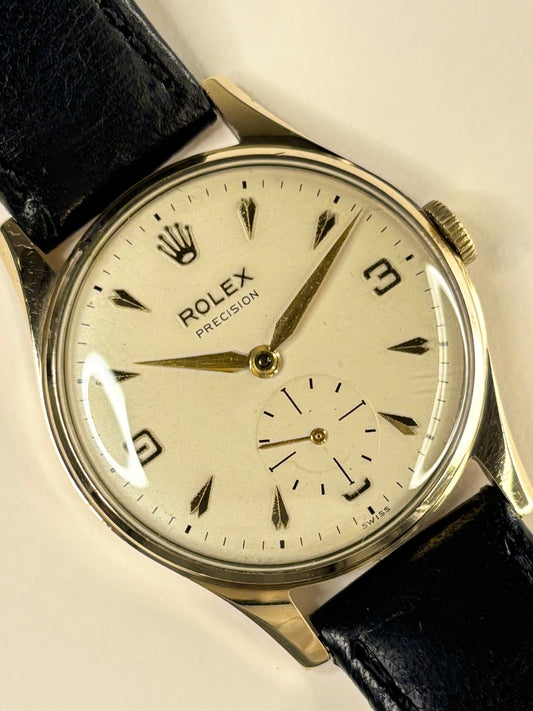
Look closely at the hour markers on a fine vintage watch and you may notice something rather special - the markers are not printed flat onto the dial, but stand proud of it, catching the light with a metallic gleam as the watch moves. These are applied indices, and they are one of the surest signs of a quality dial. But what exactly are they, how do they differ from printed markers, and why do collectors value them so highly? Here is everything you need to know.
What Are Applied Indices?

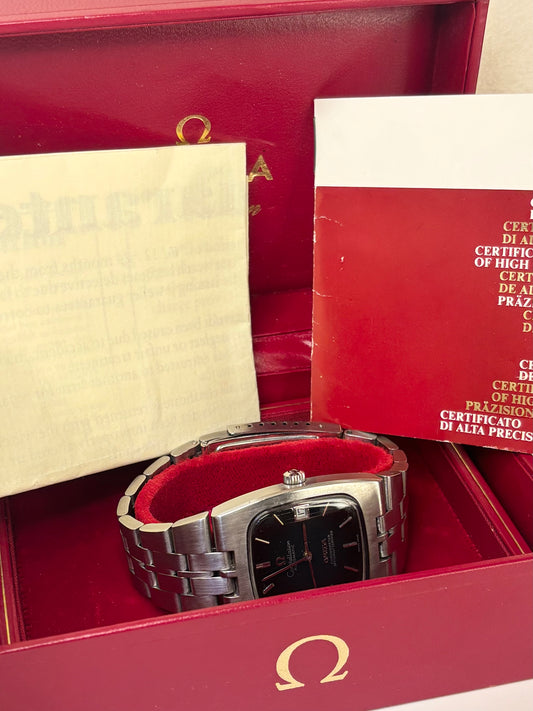
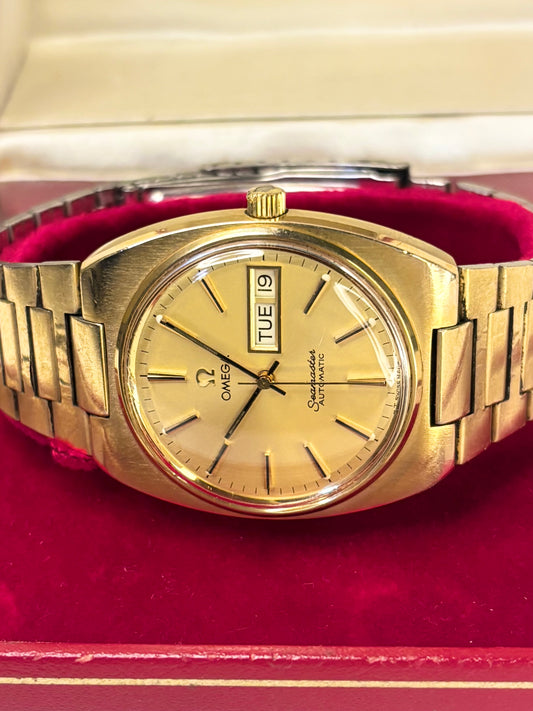
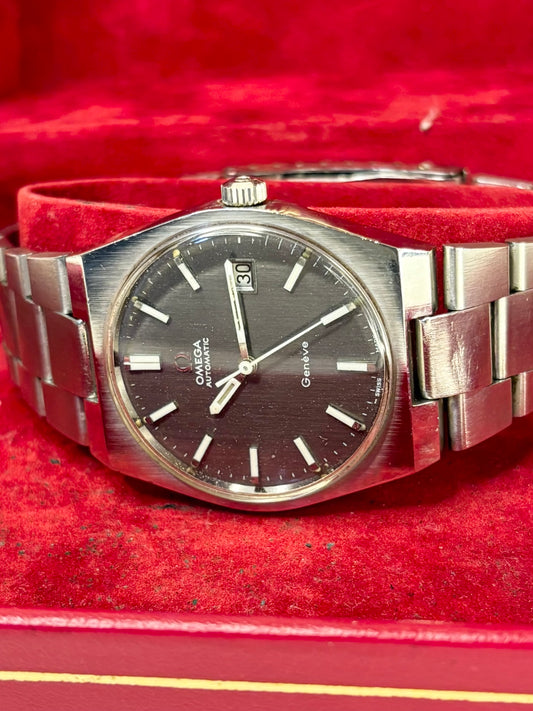
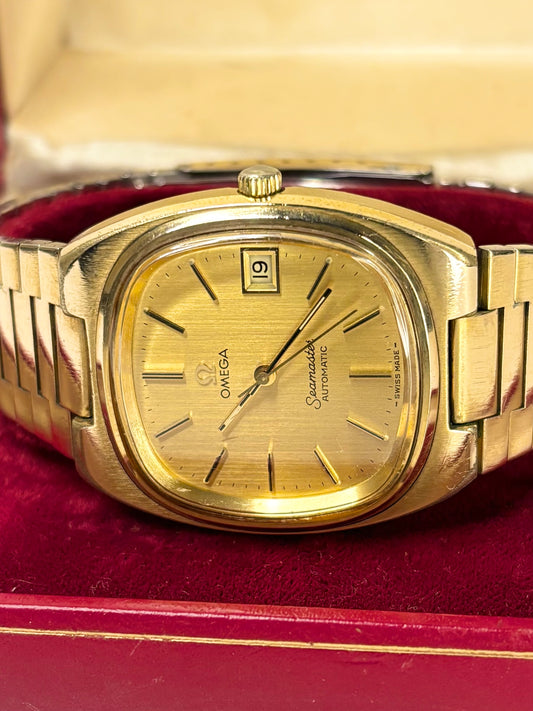
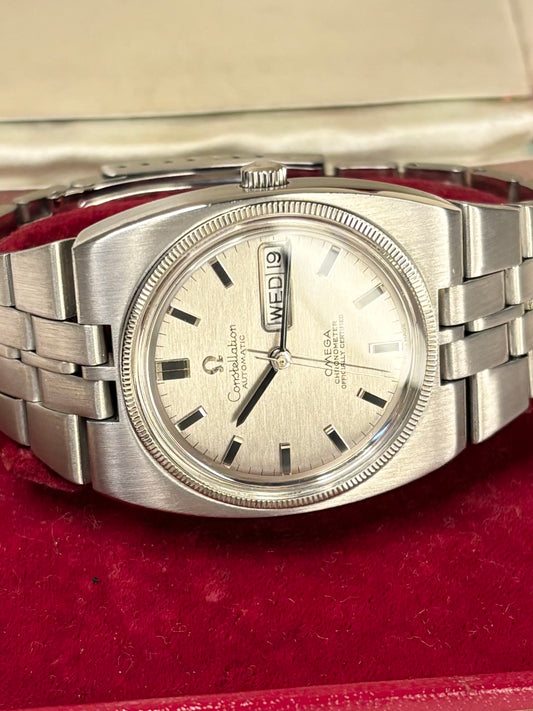
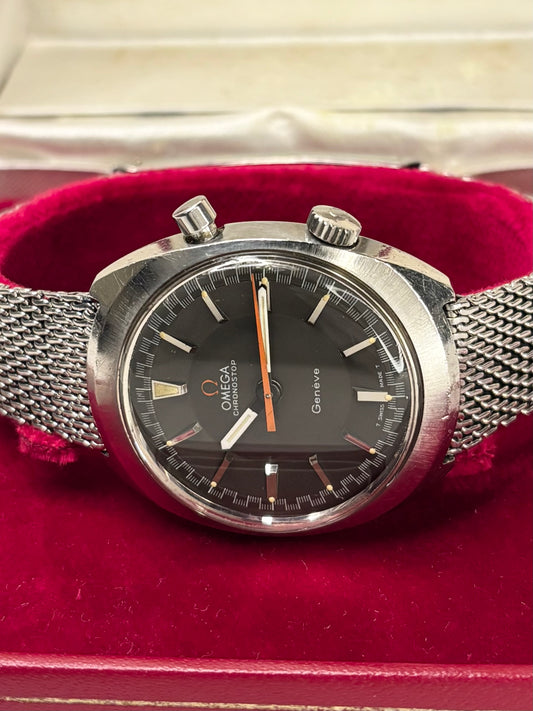
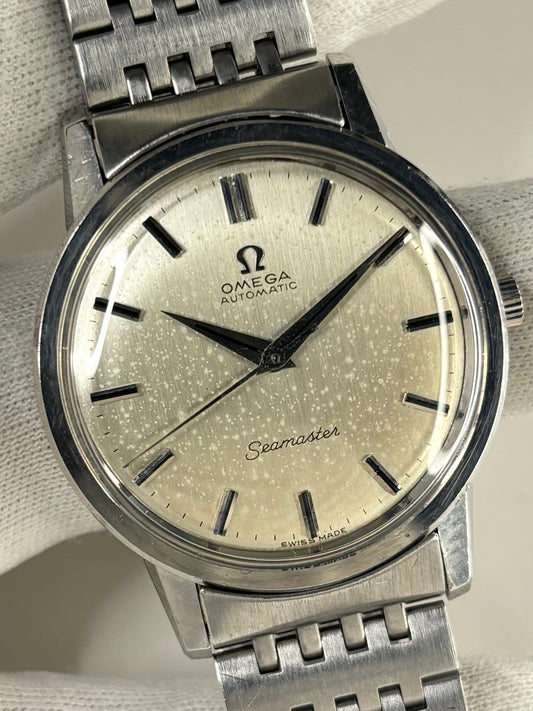
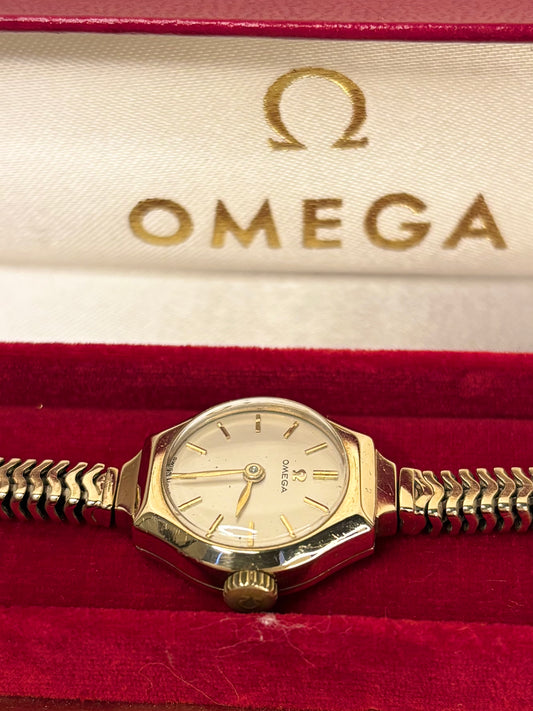
Applied indices are hour markers that are physically attached to the surface of the dial as separate, three-dimensional metal components, rather than being printed onto it. Typically made of metal - often gold-toned or silver - each marker is individually affixed to the dial, standing slightly proud of the surface.
The result is a dial with genuine depth and dimension. Because the markers are raised and made of polished metal, they catch and reflect light as the watch moves, giving the dial a lively, three-dimensional quality that a flat printed dial simply cannot match. It is one of those details that transforms the look of a watch, giving it a sense of richness and craftsmanship.
How Are They Attached?
Applied indices are usually fitted using tiny feet or posts on the underside of each marker, which pass through small holes drilled in the dial and are then secured from behind. This method holds each marker firmly and precisely in place, and it is why a genuine, undisturbed applied index sits perfectly flush and level against the dial surface.
Occasionally, markers may be affixed with adhesive instead - but the traditional and higher-quality method uses those small mounting feet, and it is a mark of proper dial construction.
Applied vs Printed Indices

The distinction between applied and printed markers is one of the most useful things a collector can learn.
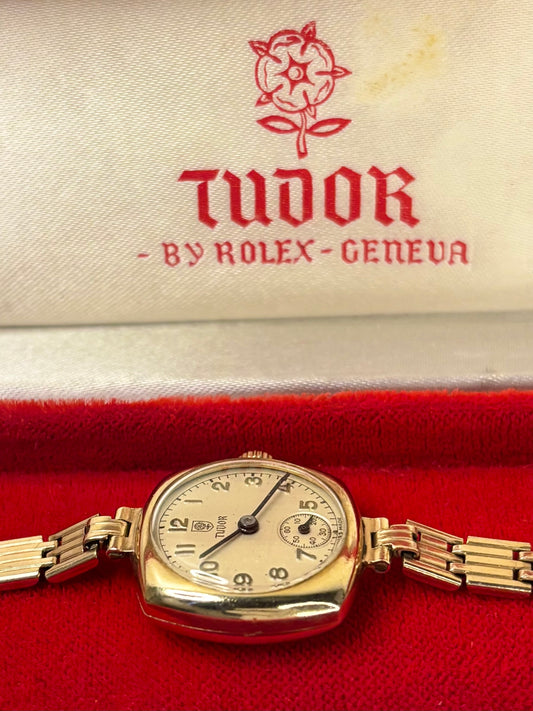
Printed indices are simply painted or printed directly onto the dial surface. They sit completely flat, they do not catch the light, and they are quicker and cheaper to produce. There is nothing wrong with a printed dial - many attractive and perfectly good watches have them - but they lack the depth and richness of applied markers.
Applied indices, by contrast, require more work and more cost to produce, and they lift a dial considerably. The three-dimensional quality, the play of light on polished metal, and the sense of craftsmanship all mark applied indices out as a superior feature. For this reason, applied indices are generally found on higher-quality watches, and they are one of the reliable signs of a well-made timepiece.
Applied Indices and Vintage Watches
Applied indices are especially associated with quality vintage dress watches of the 1950s and 1960s. As we discuss in our guides to spotting a 1950s watch and a 1960s watch, applied markers were widely used by the great Swiss makers during these decades, and they are one of the features that gives the dress watches of this era their particular elegance.
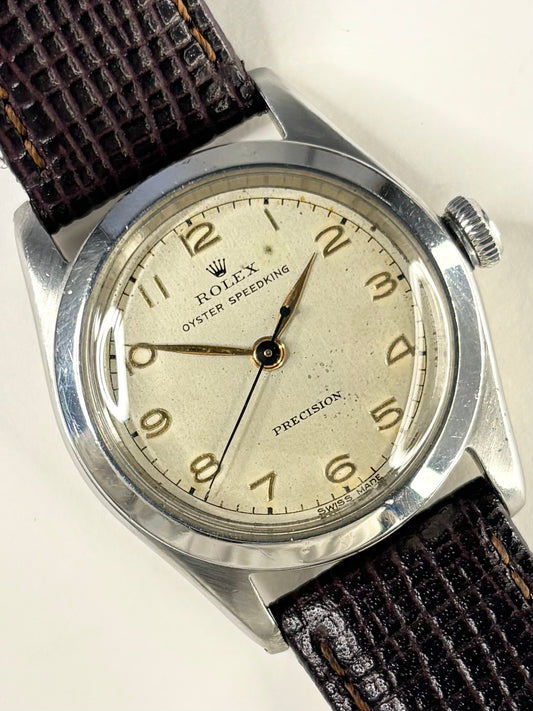
They also come in a wonderful variety of shapes, each giving a dial a different character - slim baton markers, tapered dagger and arrowhead forms, elegant applied Roman or Arabic numerals, and faceted markers cut to catch the light from multiple angles. Combined with the beautiful dial finishes we cover in our complete guide to vintage watch dials, applied indices are a key part of what makes a vintage dial so appealing.
Why Applied Indices Matter for Originality

Here is something genuinely valuable for any collector. Applied indices are one of the most useful things to examine when assessing whether a dial is original or has been refinished.
On a genuine, untouched dial, each applied marker sits perfectly flush, level, and evenly spaced, secured firmly by its mounting feet. When a dial is refinished, the applied markers must be removed and then reattached afterwards - and this process very often leaves traces. Look for markers that sit slightly unevenly, that are marginally misaligned, that show traces of adhesive around their edges, or that appear to sit at inconsistent heights. Any of these can indicate that the markers have been off the dial at some point, which points strongly to a redial.
This makes applied indices a genuinely useful authentication tool, as we explain in our guides to spotting a refinished dial and spotting a fake vintage watch.
Two Quality Vintage Dials From Our Collection
Applied indices appear on some of the finest vintage timepieces. Here are two from our collection.
The OMEGA Vintage 1970's Men's Date Gold Dress Watch - Reference 196.0160 is a handsome genuine vintage Omega - exactly the kind of quality dress watch where fine dial detailing and craftsmanship come together beautifully.
The ZENITH Vintage 1960's Men's Manual Gold Dress Watch - Reference 2310 is another lovely classic timepiece from one of the most respected names in watchmaking - an elegant 1960s gold dress watch with real quality behind it.
Check out our full vintage watch collection today!
A Final Thought
Applied indices are one of those details that separate a good dial from a great one. They add depth, light, and craftsmanship to a watch, they signal quality construction, and they offer a genuinely useful clue when assessing a dial's originality. The next time you look at a vintage watch, tilt it in the light and watch the markers catch the light - it is one of the quiet pleasures of collecting.
At AR Collectables, our collection includes a wonderful range of quality vintage timepieces with beautiful, original dials, every one handpicked, cleaned, and tested. If you would like to buy a vintage watch with genuine quality and character, just drop us a message - we would love to help. 🤝
Check out our full vintage watch collection today!