
The Complete Guide to Vintage Watch Dials - Finishes, Layouts and Everything In Between
The dial is the face of a watch - the part you look at countless times a day, the first thing that catches the eye, and very often the single most important factor in a watch's character and value. In the world of vintage watches, dials are a genuinely rich subject, encompassing a wonderful variety of finishes, textures, layouts, and details. This guide brings it all together - a complete introduction to the vintage watch dial, and a gateway to the more detailed guides we have written on each aspect.
Why the Dial Matters So Much

Before getting into the details, it is worth understanding why collectors place such enormous importance on the dial. More than any other single component, the dial defines the look and feel of a watch. Two otherwise identical timepieces can feel completely different depending on their dials - the colour, the finish, the markers, the layout, and the way the dial has aged all combine to give each watch its individual character.
The dial is also the single biggest factor in the value of a vintage timepiece. An original, well-preserved dial is one of the most desirable things a vintage watch can have, while a refinished or damaged dial significantly reduces both desirability and worth. Understanding dials, therefore, is one of the most valuable skills any collector can develop.
Dial Finishes and Textures
One of the first things to appreciate about vintage dials is the sheer variety of surface finishes and textures used over the decades. Each gives a watch a distinct character.
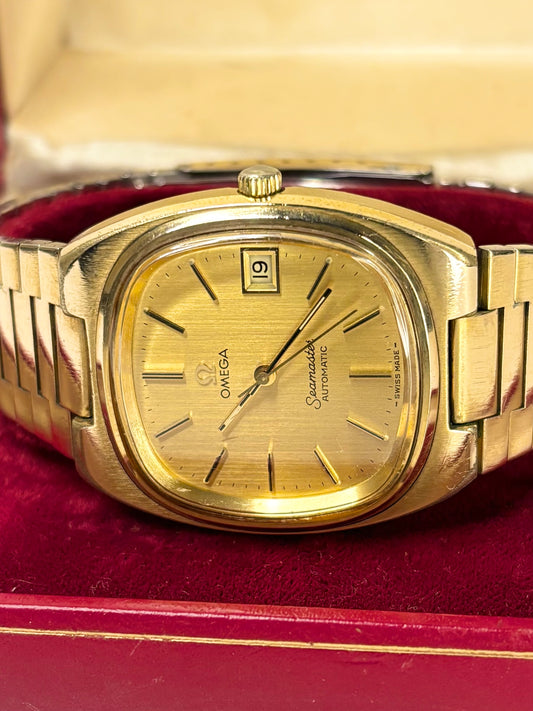
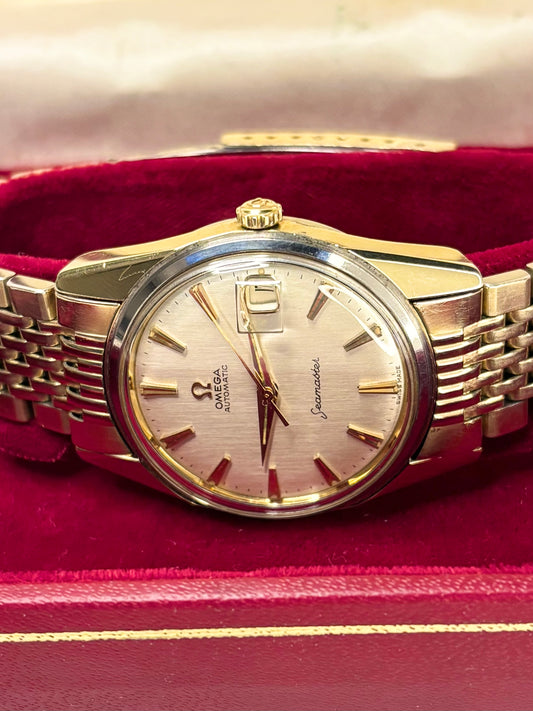
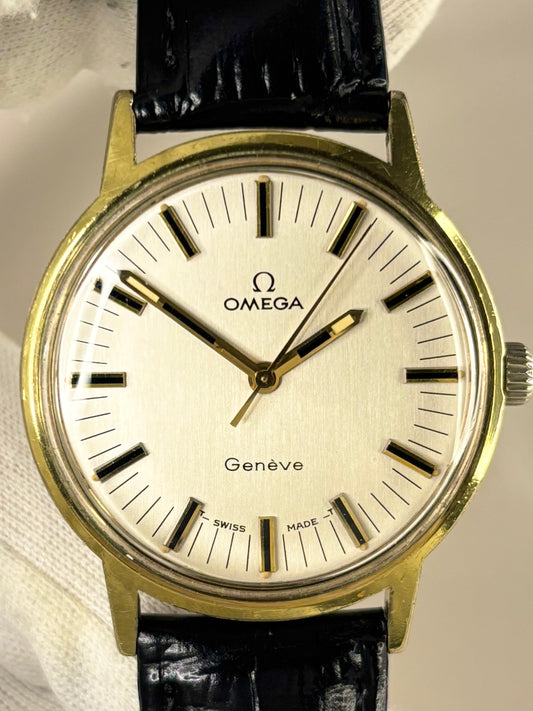
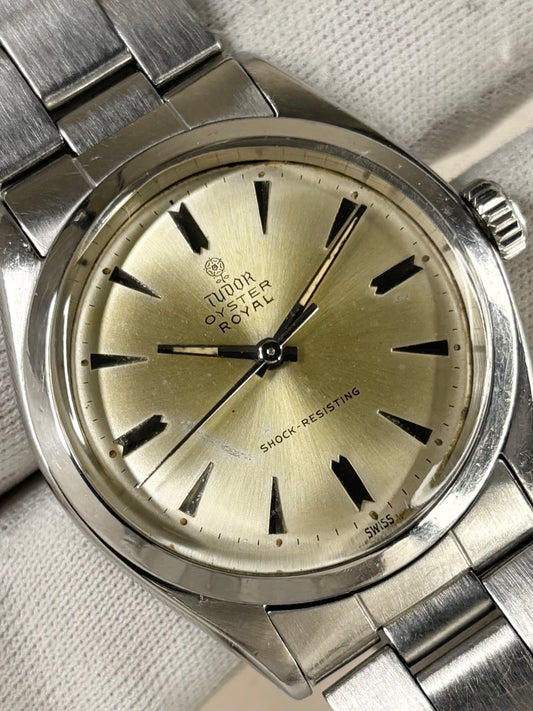
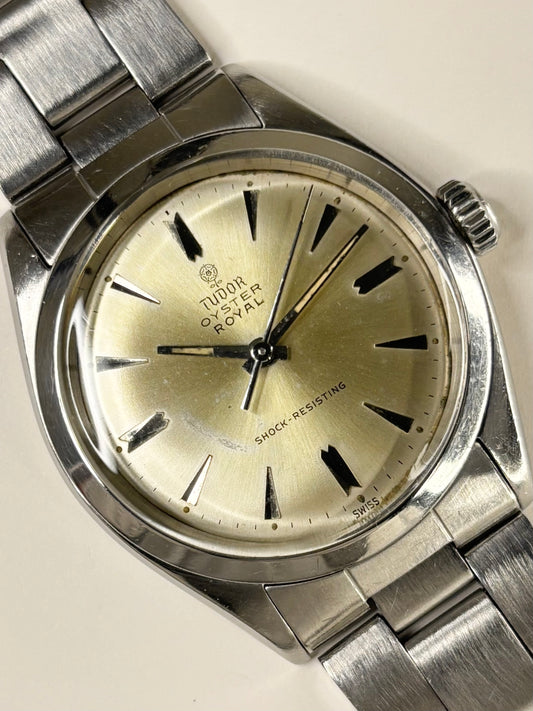
The sunburst dial - also known as a sunray dial - features fine lines radiating outward from the centre, creating a dynamic, shimmering effect that shifts as the watch moves. It is one of the most eye-catching finishes of all, and we cover it fully in our guide to sunburst dials.
The linen dial has a fine woven crosshatch texture resembling linen fabric - subtle, understated, and quietly beautiful, as we explore in our guide to linen dials.
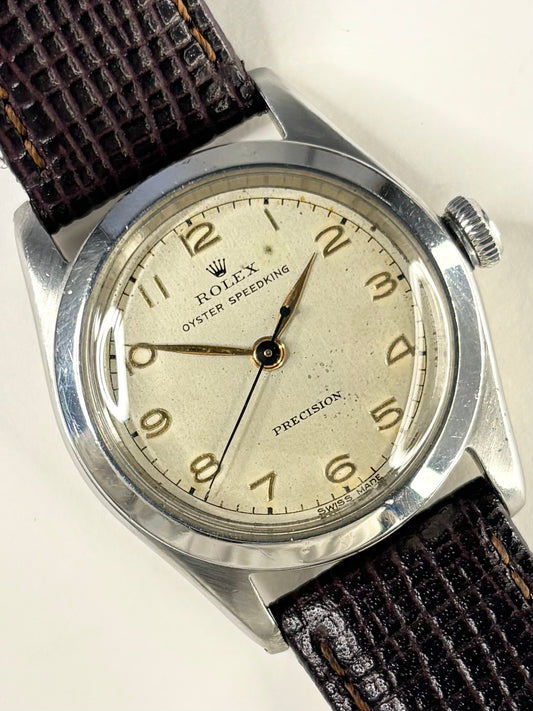
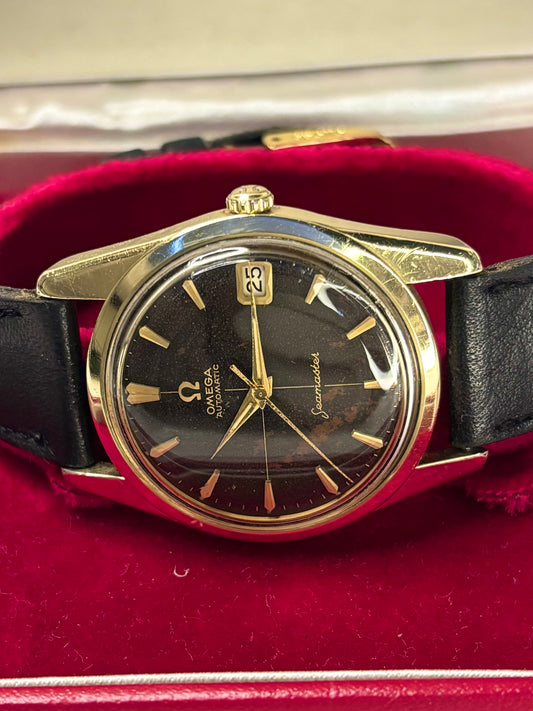
Beyond these, you will encounter matte dials with their flat, even, non-reflective finish; guilloché dials engraved with intricate repeating patterns; and bark effect dials with a bolder, more pronounced textured surface reminiscent of tree bark. Then there are gilt dials - glossy black or dark dials with warm gold printing, produced particularly through the 1950s and early 1960s, and among the most beautiful and collectable of all vintage dial types.
Dial Layouts

Alongside the finish, the layout of a dial - how the hands and any sub-dials are arranged - is a defining characteristic, and often a useful clue to a watch's age.
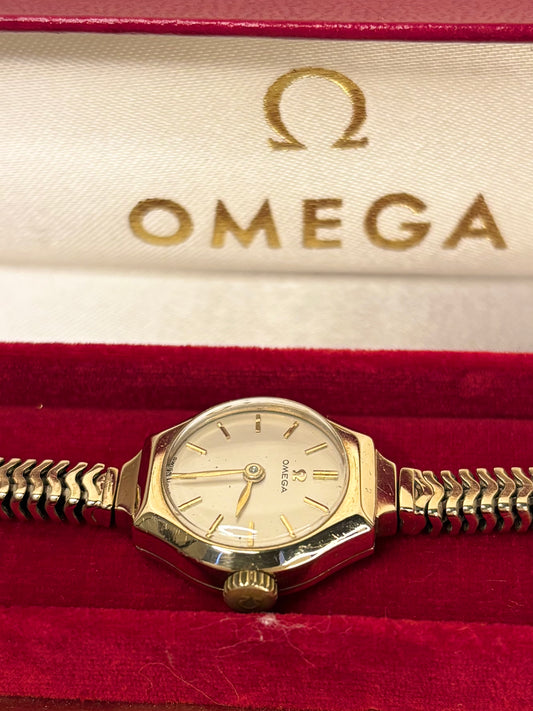
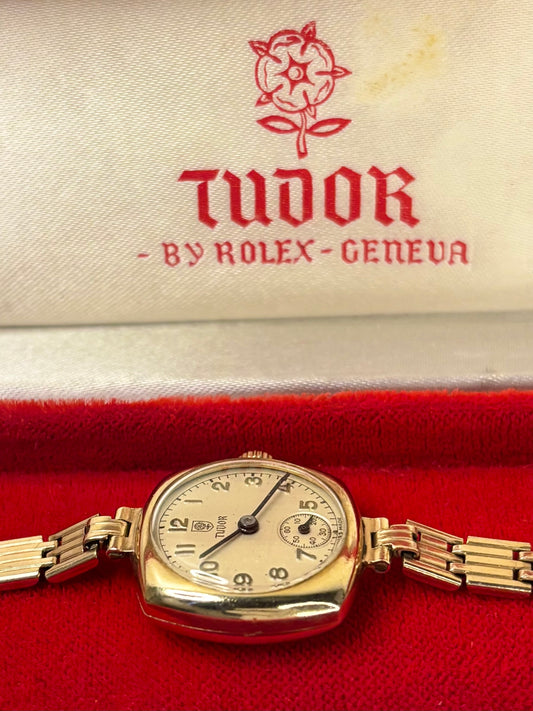
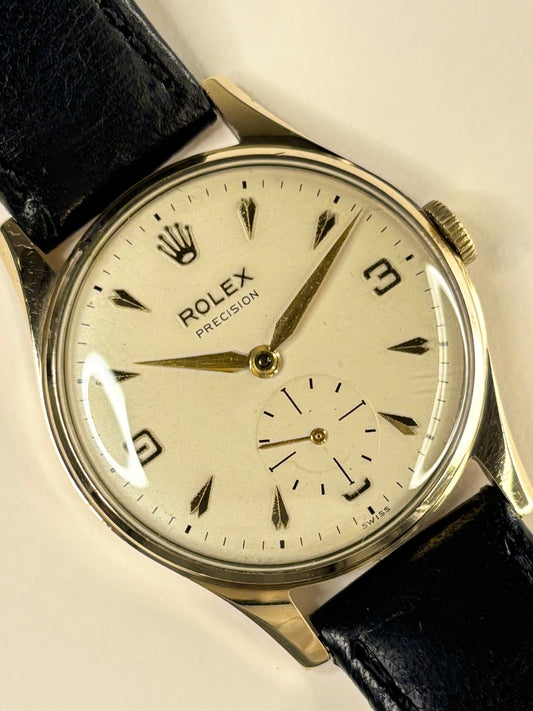
The sub-seconds dial, or subsidiary seconds, places the running seconds on a small separate sub-dial, usually at six o'clock. It is the traditional layout, especially characteristic of earlier vintage watches, as we explain in our guide to sub-seconds dials.
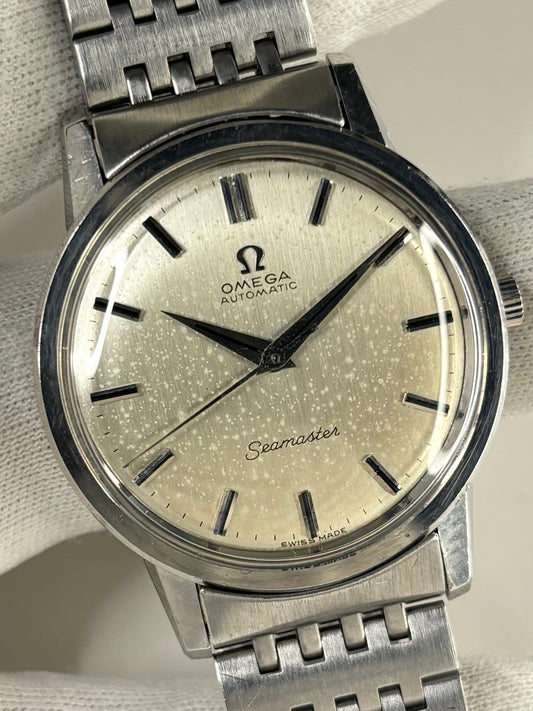
The central seconds layout, by contrast, shows the seconds via a hand sweeping from the centre of the dial - the arrangement that became dominant from the 1950s and 1960s onward.
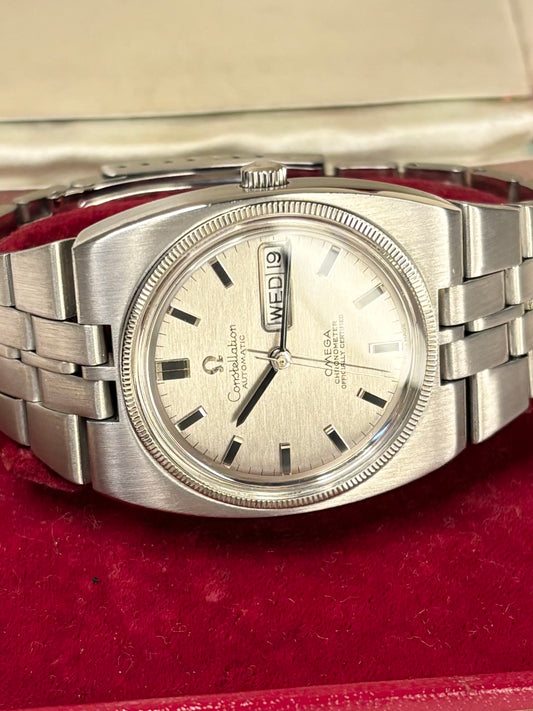
And then there is the celebrated pie-pan dial, most famously associated with the vintage Omega Constellation - a slightly domed, stepped dial profile that creates beautiful three-dimensional depth, which we cover in our guide to the Omega Constellation pie-pan dial.
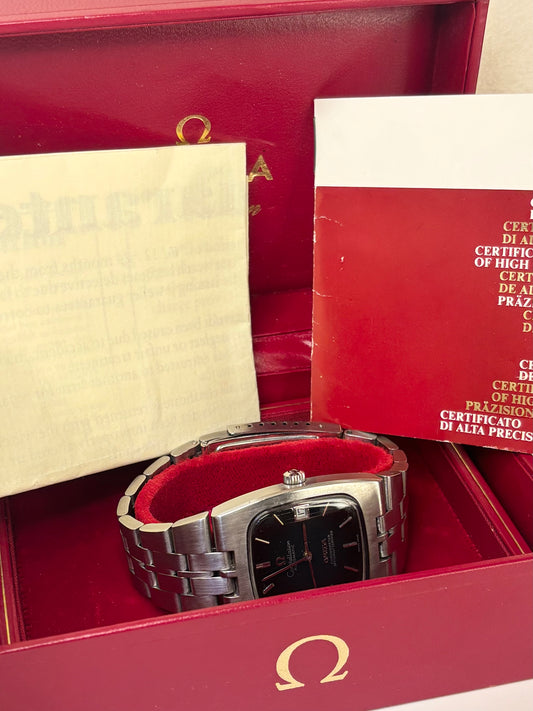
The OMEGA Constellation - Vintage 1960's Automatic Date Silver Watch - Reference 168.018 is a lovely example of a quality vintage Omega dial - clean, elegant, and beautifully made, showing exactly why Constellation dials are so admired.
Markers and Numerals
The hour markers and numerals are among the most characterful elements of any dial, and they vary enormously across vintage watches.
Applied indices - markers physically attached to the dial surface rather than printed on - catch the light and give a dial real depth and quality. Printed markers, by contrast, sit flat on the dial surface. Numerals come in many styles too, from elegant Arabic numerals to slim baton markers and the tapered dagger and dauphine forms so beloved of the 1950s and 1960s. The choice of markers and numerals does a great deal to define a dial's overall character, and it can also help date a watch to a particular era.
Dial Colours
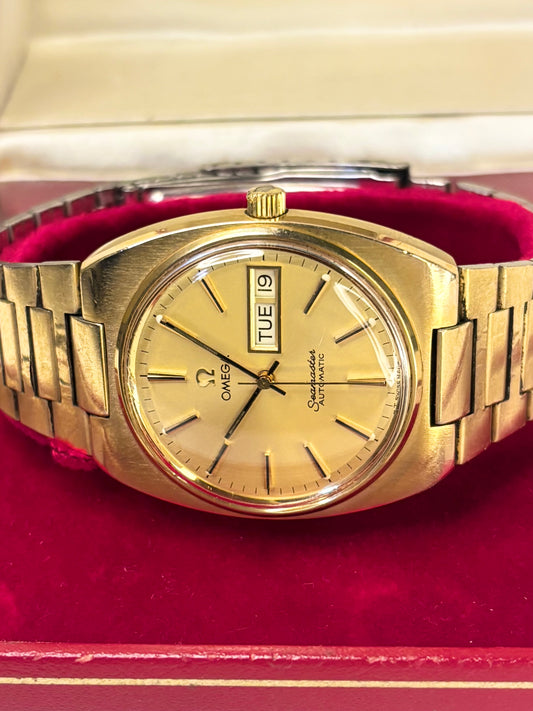
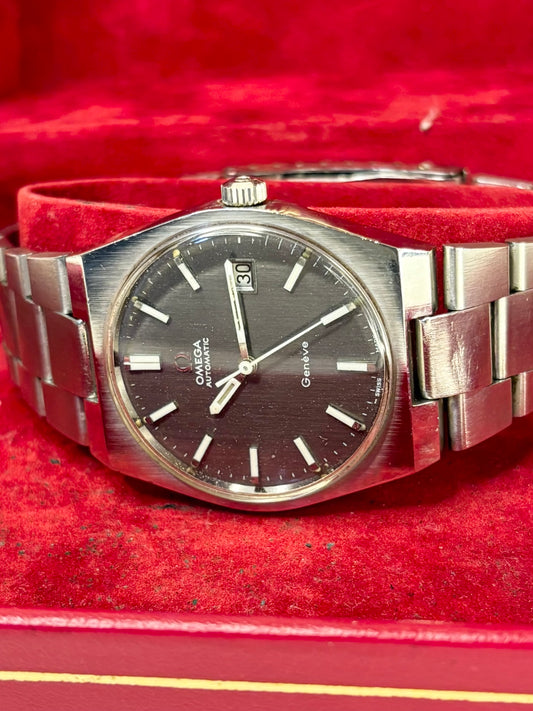
Colour is another defining aspect of the vintage dial. Silver and cream dials are timeless and elegant; warm champagne and gold tones bring richness and warmth; black dials offer bold contrast and legibility; and blue, grey, and even the occasional green or unusual colour add real individuality. Certain colours are also strongly associated with particular eras, making them another useful part of the dating picture.
The ROTARY Sunburst Dial Gold Dress Watch - Vintage 1960's Manual shows how beautifully colour and finish work together - a warm sunburst dial full of character and shimmer.
Patina and Ageing

One of the most fascinating aspects of vintage dials is how they age. Over decades, a dial develops patina - the natural changes that occur as the dial surface, printing, and luminous material respond to light, time, and atmosphere.
This can take many forms, from the warm toning of a gilt dial to the prized brown transformation of a tropical dial. The luminous material ages too, developing the creamy and caramel tones so beloved of collectors. We explore all of this in our guides to the types of patina found on vintage watches and to watch lume. Far from being a flaw, beautiful original patina is one of the most desirable qualities a vintage dial can have - it is the watch's own signature, impossible to fake.
Which Dial is Right for You?
With so much variety, the wonderful truth is that there is no single right answer - only the dial that speaks to you. Perhaps it is the shimmer of a sunburst, the quiet texture of a linen dial, the depth of a pie-pan, or the warm glow of an aged gilt dial. Part of the joy of collecting vintage watches is discovering which dials you are drawn to, and appreciating the craftsmanship and character behind each one.
At AR Collectables, our collection includes a wonderful variety of vintage timepieces with beautiful, original dials, every one handpicked, cleaned, and tested. Whether you are drawn to a particular finish, layout, or colour, and whether you are looking to buy a vintage Omega watch or simply explore, just drop us a message - we would love to help you find the perfect dial. 🤝
Check out our full vintage watch collection today!