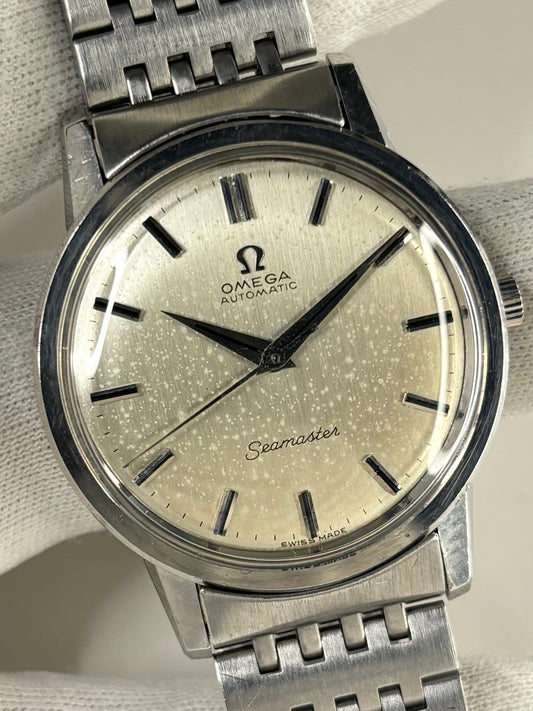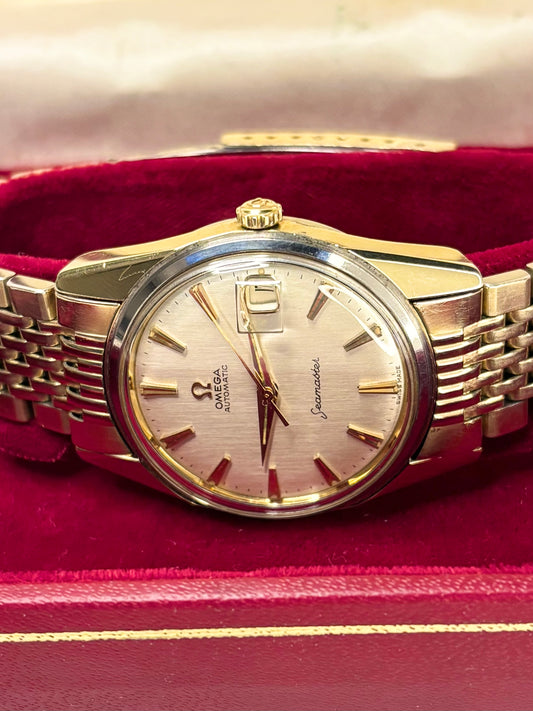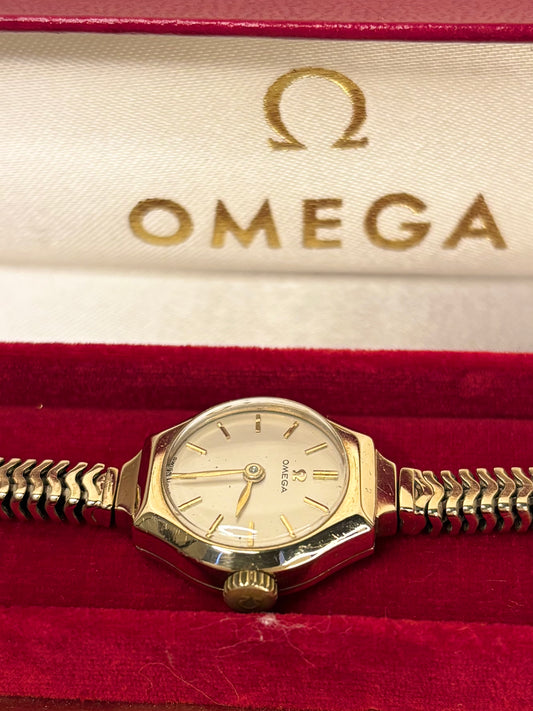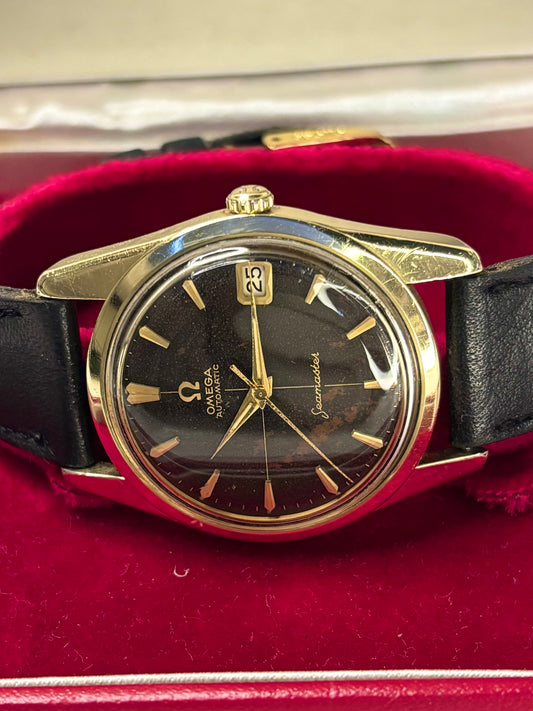

How to Tell if a Vintage Watch is From the 1970's - 5 Features Every Collector Should Know
If you have been following this series, you will know that the 1950s gave us elegance, and the 1960s gave us confidence. The 1970s? The 1970s gave us something else entirely. This was a decade that threw the rulebook completely out of the window - and the vintage watches that came out of it are unlike anything produced before or since.
The 1970s was a genuinely wild decade for watchmaking. It was a period of reinvention, experimentation, and in some cases, outright chaos - and the timepieces it produced reflect every bit of that energy. Once you know what to look for, a 1970s vintage watch is usually unmistakable. Here are five features that give it away.
1. Bold, Unconventional Case Shapes
This is the big one, and it is probably the most immediately striking feature of a 1970s vintage watch - unique case shapes
Through the 1950s and 1960s, the round case was king. Clean, classic, and universally flattering - the round watch was simply what a watch looked like. The 1970s decided that was far too boring.
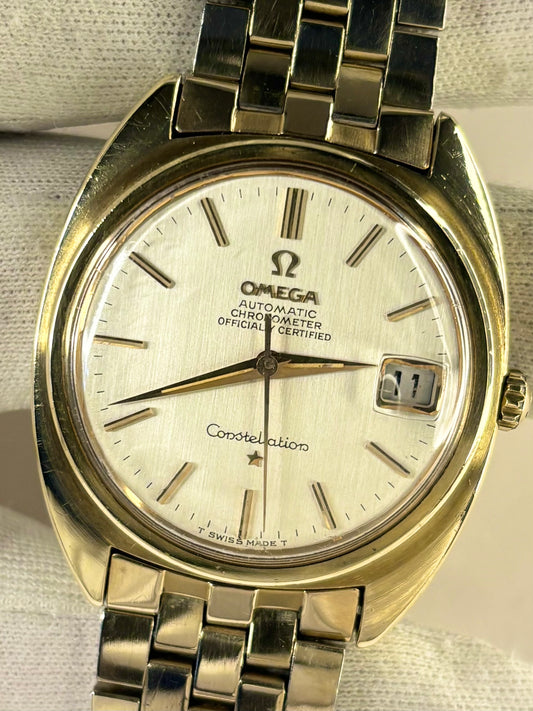
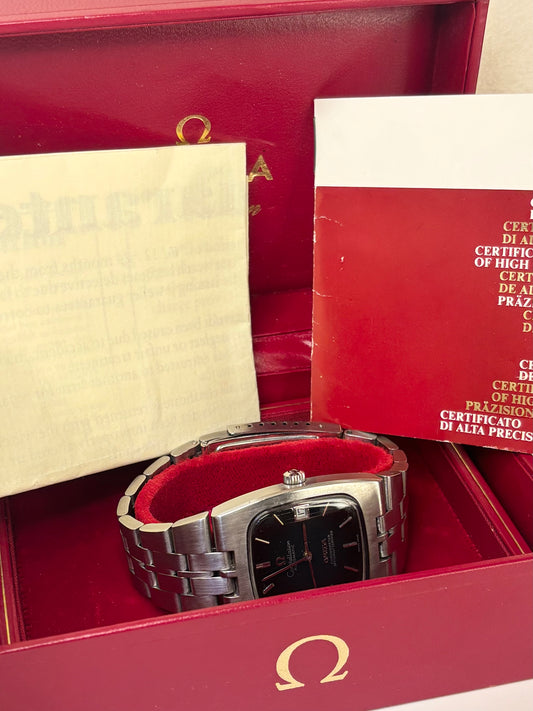
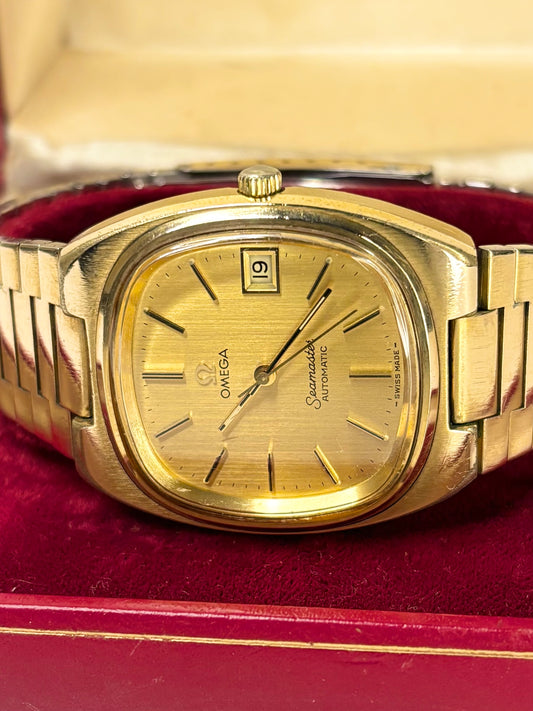
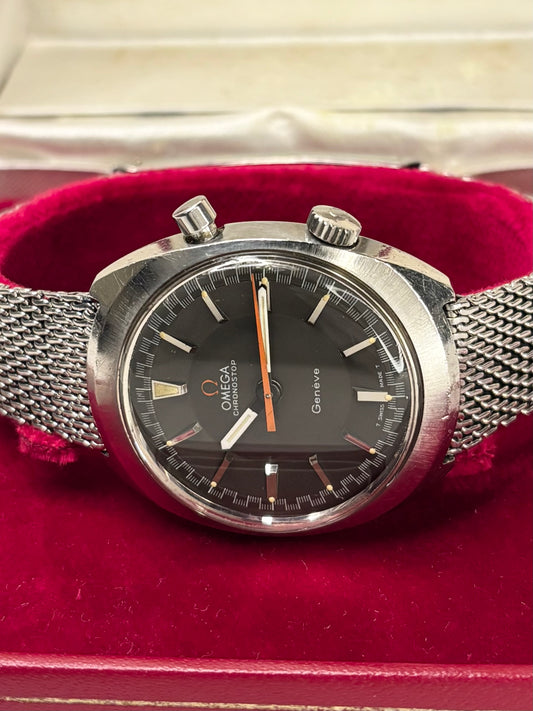
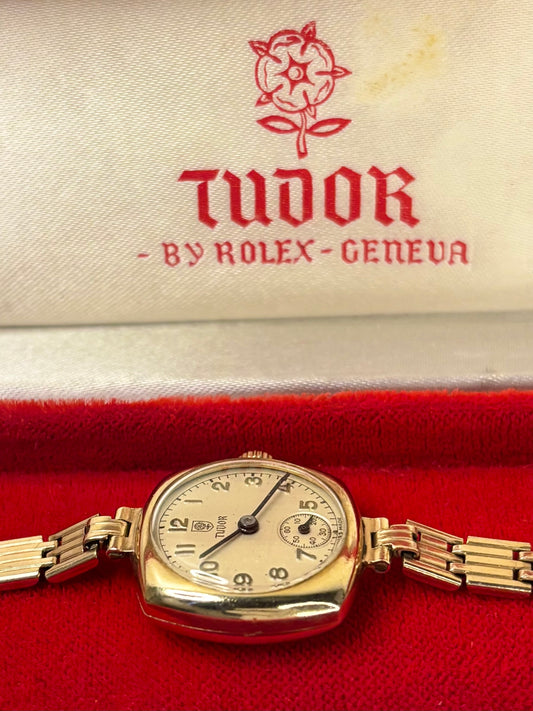
Cushion cases - square with softly rounded corners, like a pillow - became enormously popular during this decade, giving timepieces a chunky, confident presence on the wrist that was a world away from the slim dress watches of the previous two decades. Tonneau cases, shaped like a barrel, appeared across a wide range of brands. Hexagonal and asymmetric case designs started turning up in places nobody had expected them. Even brands with long, proud traditions of classical design started experimenting with forms that would have seemed almost radical just ten years earlier.
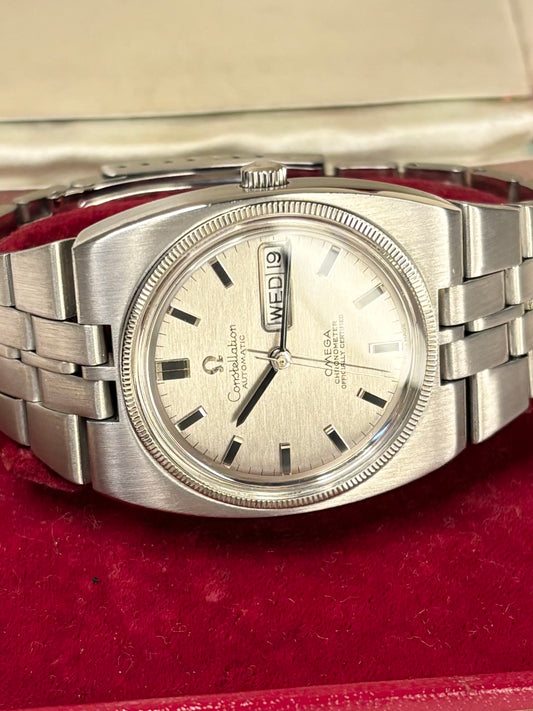
Omega, always at the cutting edge, produced some truly striking case designs during this period - the Constellation of the 1970s is a perfect example, with its distinctive cushion case and integrated bracelet that feels like it could only have come from this decade.
If you pick up a vintage timepiece with a case shape that feels a little unexpected, a little bold, a little different - there is a very strong chance the 1970s is where it was born.
Browse our current selection of 1970s vintage timepieces today!
2. Integrated Bracelets

Closely related to those bold new case shapes was another defining feature of the decade - the integrated bracelet.
In the 1950s and 1960s, a watch and its bracelet or strap were largely separate considerations. You bought the watch, and you chose something to put it on. The 1970s changed that relationship fundamentally. Designers began creating watches where the case and bracelet flowed into one another as a single, unified object - the bracelet growing organically out of the case, with no clear dividing line between the two.
This was a genuinely new idea in watchmaking, and it produced some of the most visually striking vintage timepieces ever made. The integrated bracelet gave a 1970s watch a solidity and intentionality that felt completely different to anything that had come before - these were objects that felt designed from the wrist outwards, rather than a watch with something attached to it. Of course, expanding bracelets were also the craze, with brands like Speidel dominating the expanding bracelet scene.
It is worth noting that 1970's vintage watches can also look incredible on a quality leather strap, which softens the overall look and gives the case design itself a chance to really breathe. Have a look at our premium leather strap collection today!
3. Textured and Coloured Dials
Open the previous posts in this series and you will see that dial design moved progressively towards cleaner, more minimal layouts through the 1950s and into the 1960s. The 1970s took one look at all of that restraint and went in the complete opposite direction.
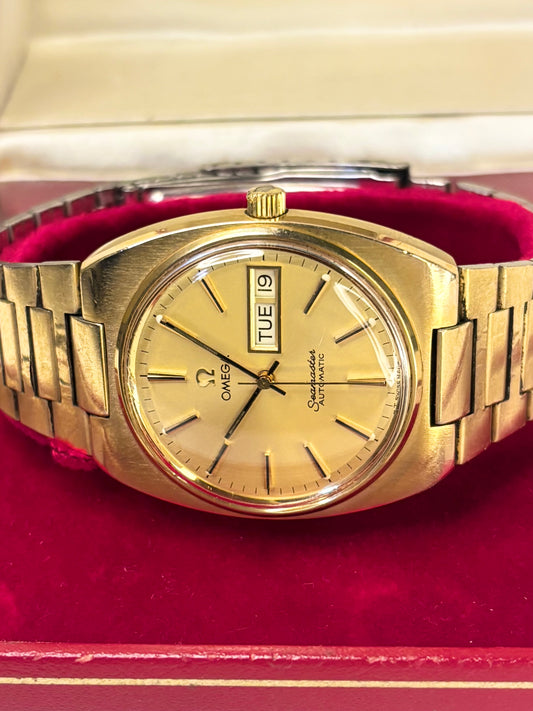
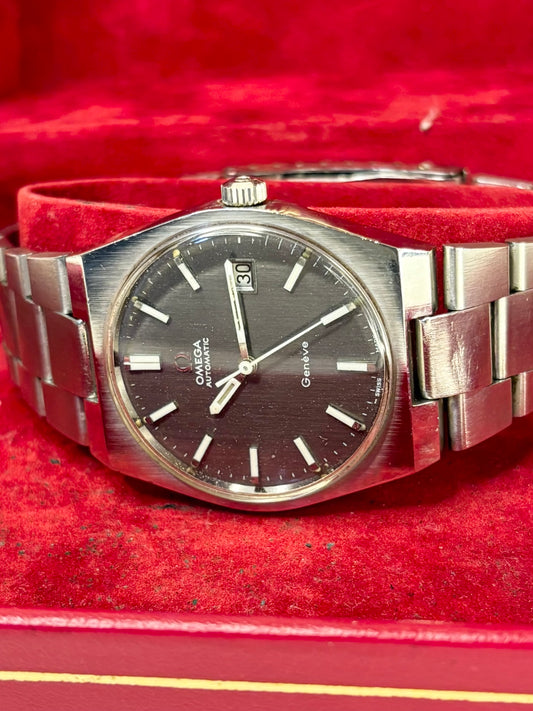
Textured dials, like sunburst dials, linen dials, and bark effect dials, became one of the defining features of the decade. Brushed, grained, cross-hatched, engine-turned - watchmakers explored an enormous range of surface treatments that gave dials a tactile, almost sculptural quality. Hold a 1970s vintage timekeeper up to the light and watch the dial surface shift and change as the angle moves - it is a genuinely beautiful thing.
Colour also made a bold entrance. Where the dials of the 1950s and 1960s had been predominantly white, silver, or black, the 1970s brought in warm champagne tones, rich browns, deep blues, and even the occasional orange or green. These were dials that made a statement, and they look every bit as fresh and confident today as they did fifty years ago.
If you find a vintage watch with a dial that has real texture and personality to it - something that catches the light in an interesting way, or carries a colour that feels just slightly unexpected - the 1970s is a very likely home for it.
4. The Sports-Luxury Watch

The 1960s introduced the tool watch to the world in earnest. The 1970s took that idea and gave it a very different treatment - one that was less about function and more about making a statement.
This was the decade of the sports-luxury watch. Timepieces that combined the ruggedness and water resistance of a sports watch with a level of design sophistication and finishing that put them firmly in luxury territory. The watch you could wear diving in the afternoon and to dinner in the evening - and that would look completely at home in both settings.
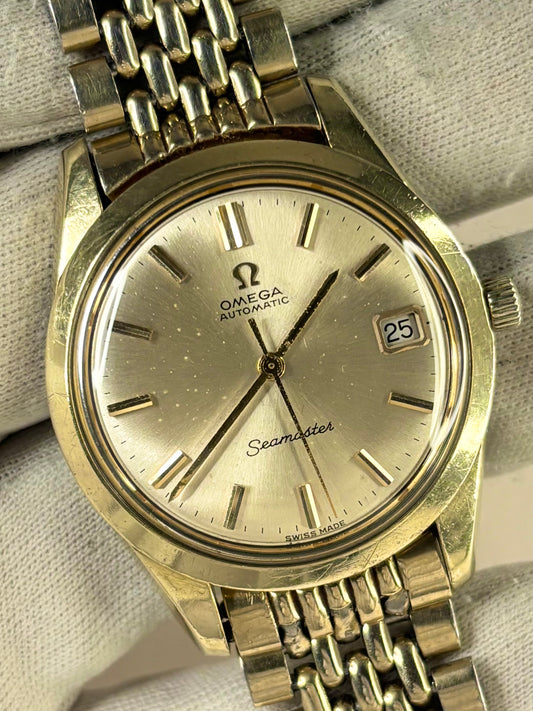
Omega was producing some of their most desirable pieces during this period. The Seamaster range evolved significantly through the 1970s, taking on some of the decade's characteristic design energy while retaining the quality and reliability that had made Omega one of the most trusted names in watchmaking. These are vintage timepieces that collectors genuinely compete for today, and for very good reason.
If you come across a vintage watch from this era that feels like it sits somewhere between a sports watch and a dress watch - comfortable in either world, committed fully to neither - you are looking at one of the most exciting categories the 1970s produced.
5. The Arrival of the Quartz Movement
No list of 1970s watch features would be complete without mentioning the development that turned the entire industry upside down - the quartz movement.
The first consumer quartz watches arrived at the very end of the 1960s, but it was through the 1970s that quartz became genuinely widespread. The accuracy of a quartz movement - keeping time to within a few seconds per month, compared to the several seconds per day of even a well-regulated mechanical timekeeper - made it an immediate commercial sensation.
For a collector, knowing whether a vintage 1970s watch contains a quartz or mechanical movement matters quite a lot. A quartz movement in a 1970s timepiece is historically significant - these early quartz calibres are a genuinely fascinating piece of watchmaking history. A mechanical movement in a 1970s watch, on the other hand, represents a conscious commitment to traditional craftsmanship at a moment when the whole industry was pulling in the opposite direction - and that carries its own appeal entirely.
If you are looking at a 1970s vintage watch and wondering which it contains, the easiest way to tell is to watch the seconds hand. A smooth, sweeping motion means mechanical. A precise tick - once per second, exactly - means quartz.Both tell the story of the 1970s in their own way.
So, Is Your Vintage Watch a 1970s Piece?
At AR Collectables, we have a genuine love for 1970s vintage watches - there is nothing quite like the energy of a piece from this era on the wrist. Every watch in our collection is handpicked, cleaned, and tested, and we are always happy to have a chat about any piece that catches your eye. Drop us a message any time. 🤝
Browse our full vintage watch collection today!
Enjoyed this series? Keep an eye on the blog - there is plenty more to come!