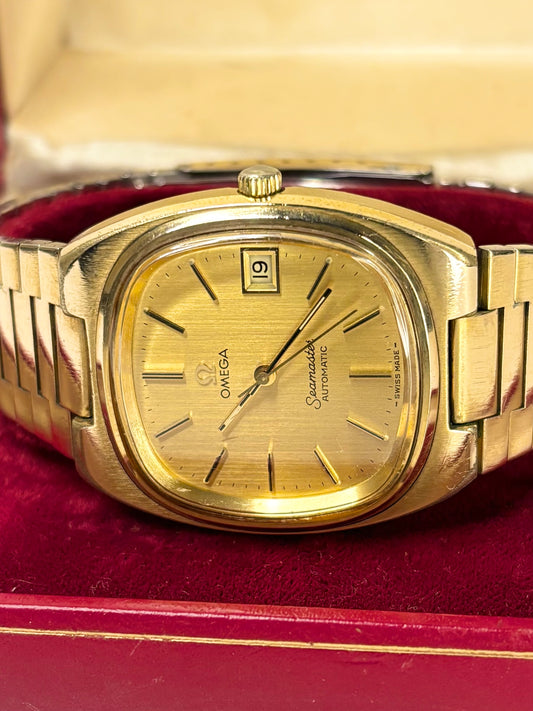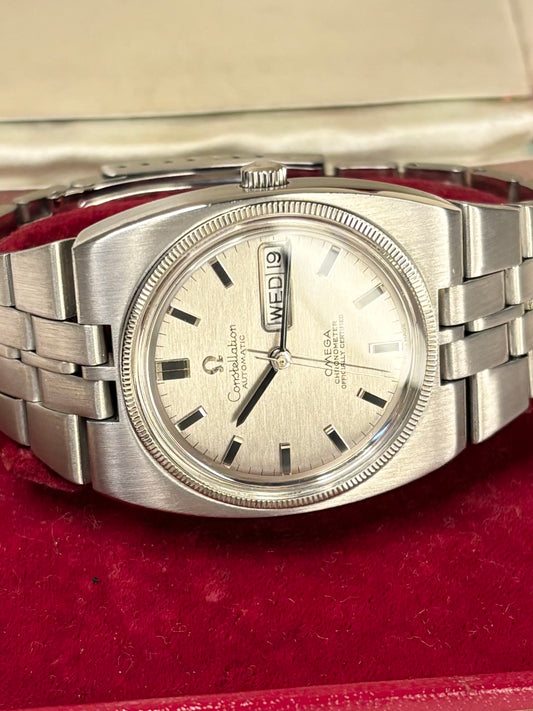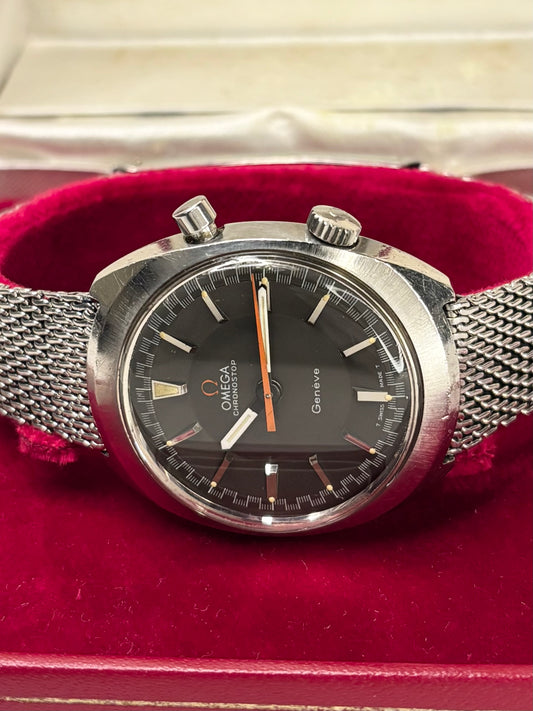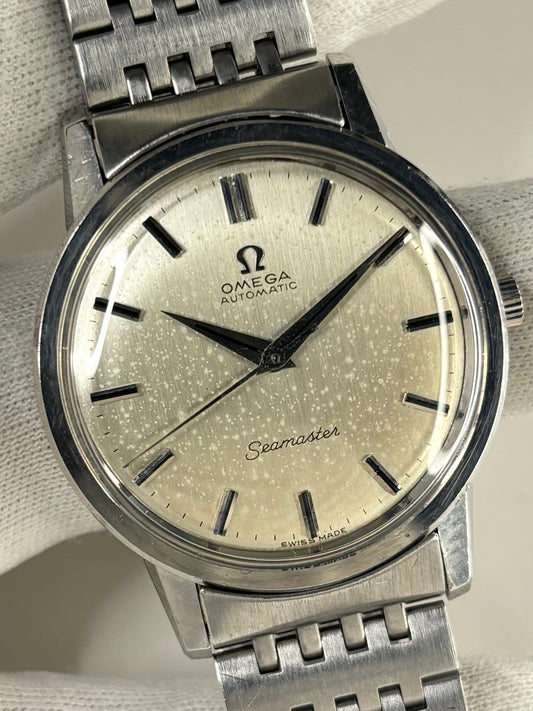

How to Tell if a Vintage Watch Dial Has Been Refinished - 4 Things Every Collector Should Know
Here is something that catches a lot of first-time buyers completely off guard: not all vintage watches are fully original. And of all the parts of a vintage timepiece that can be altered, replaced, or tampered with, the dial is arguably the most important one to get right - especially for a vintage ww2 watch!
The dial is the face of the watch. It is the first thing you see, the thing you interact with every time you check the time, and in many cases the single biggest factor in a vintage watch's value. A genuine, unrestored original dial on a 1960s Omega or Rolex timepiece is a beautiful and precious thing. A refinished one - however well done - tells a different story entirely.
The good news is that once you know what to look for, spotting a refinished dial becomes a lot more straightforward! Here are four things to look out for.
1. The Patina - or the Suspicious Lack of It!

This is usually the first thing that gives a refinished dial away, and it is one of the most reliable signals you will ever find.
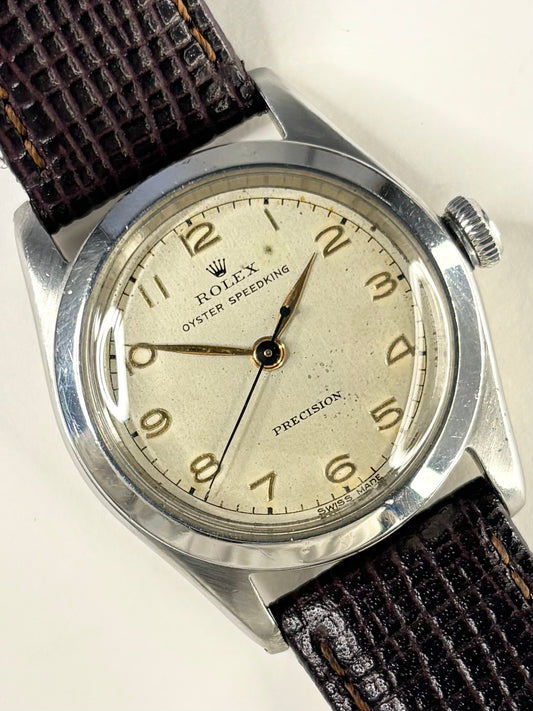
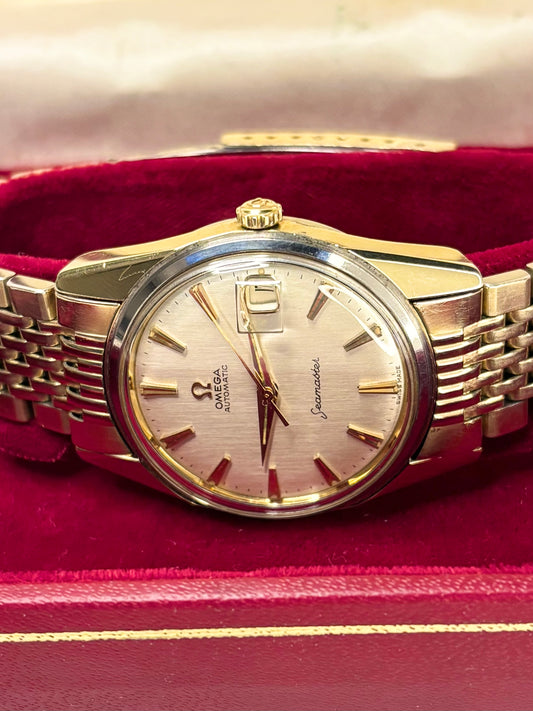
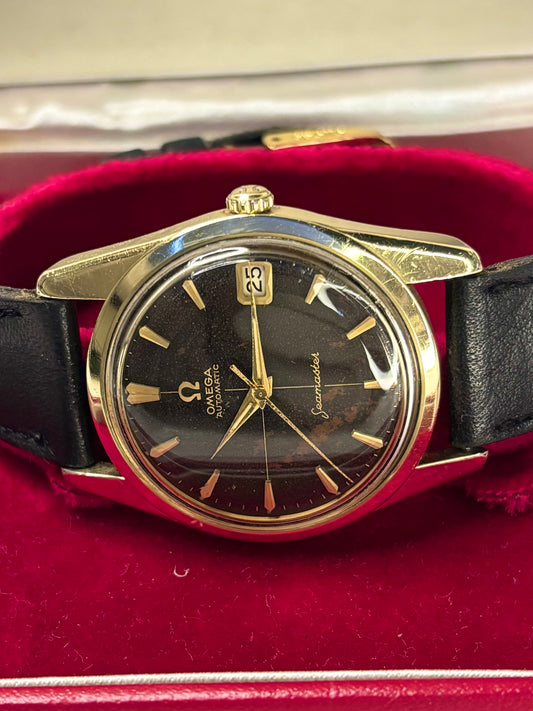
A genuine vintage dial that has never been touched will show its age. Over decades, the lacquer or enamel surface of a dial develops a natural patina - a warm, slightly uneven quality that can range from a gentle cream toning on a once-white dial to a rich, honeyed warmth on a gilt or champagne surface. This patina is the result of sixty or seventy years of light exposure, temperature changes, and simply existing in the world, and it is completely impossible to fake convincingly.
A refinished dial, on the other hand, will often look almost too good. The surface will be uniform, clean, and fresh in a way that a dial of its supposed age simply should not be. If you are looking at a vintage timekeeper from the 1950s or 1960s and the dial looks like it could have been made yesterday - that is not a compliment. That is a red flag.
It is also worth knowing that collectors actively seek out and pay premiums for dials with beautiful original patina. A warm, naturally aged dial is not a flaw - it is one of the most desirable features a vintage watch can have.
Browse our collection of vintage timepieces (all with original dials!) today!
2. Inconsistencies in the Printing and Typography
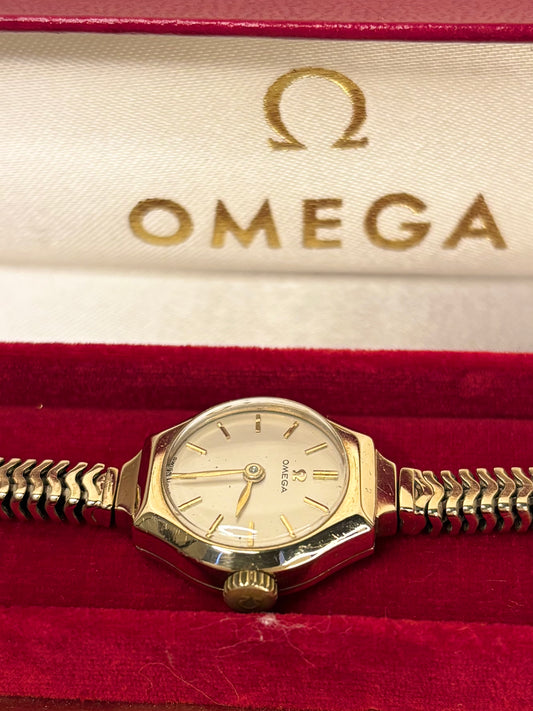
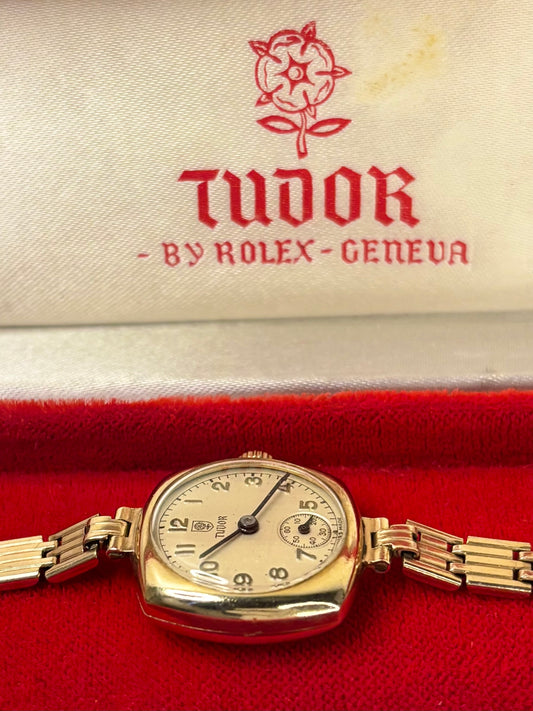
Original vintage dials were produced to extraordinarily precise standards. The printing on a genuine dial - the brand name, model name, any text describing water resistance or jewel count - is sharp, clean, and executed in the exact typeface and weight that the manufacturer specified. These details were consistent across production runs, and a genuine dial will always match the known references for that particular model.
A refinished dial is a different matter. When a dial is stripped back and repainted, the original printing is lost, and has to be reapplied. And here is where things get difficult for even the most skilled refinisher - matching the exact font, weight, spacing, and texture of fifty-year-old dial printing is genuinely very hard to do perfectly.
Look closely at the text on a vintage dial. Is the font weight consistent throughout, or does it look slightly heavier or lighter than it should? Does the spacing between characters look right? Is the printing sitting cleanly on the surface of the dial, or does it look slightly raised or applied on top of the surface? Any of these inconsistencies can point towards a dial that has been worked on.
This is where reference books and online communities become really valuable for a collector - knowing exactly what the printing on a specific reference should look like makes it much easier to spot when something is not quite right.
3. The Condition of the Applied Indices
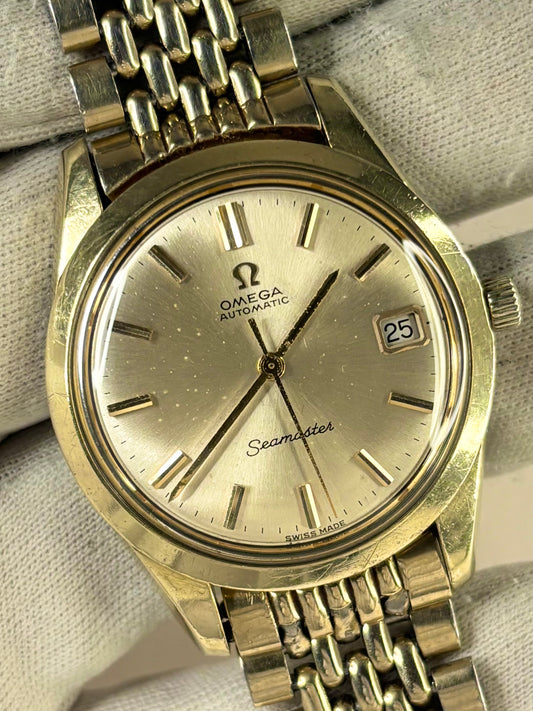
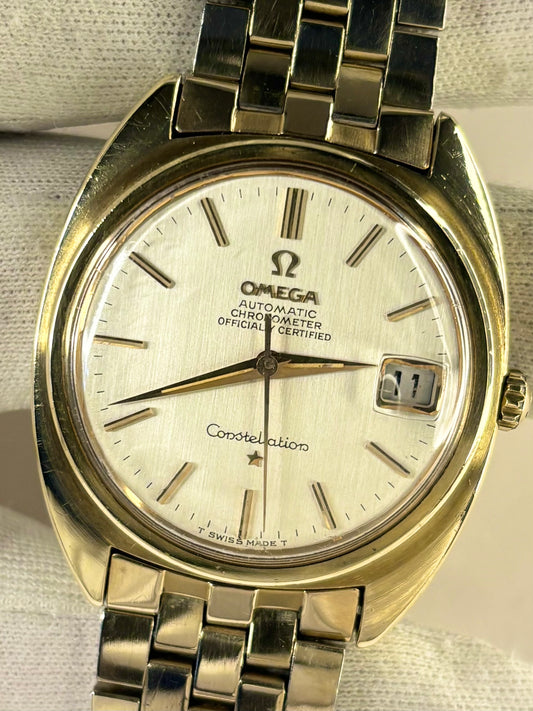
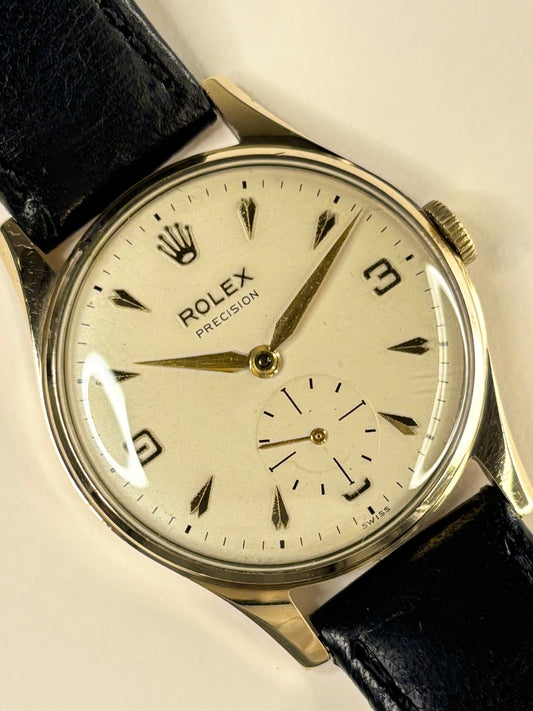
Many vintage timepieces - particularly dress watches from the 1950s and 1960s - feature applied indices. These are the small raised hour markers that are physically attached to the dial surface, rather than simply printed onto it. They are one of the most beautiful features a vintage dial can have, catching the light and giving the dial real depth and dimension.
They are also one of the most telling places to look when assessing whether a dial is original.
When a dial is refinished, the applied indices typically need to be removed first, and then reattached once the new finish has been applied. This process almost always leaves traces. Look carefully at the base of each applied marker - is it sitting perfectly flush with the dial surface, or is there any unevenness, slight lifting, or a small ridge of dried adhesive visible around the foot? Are all of the markers sitting at exactly the same height, or do one or two look fractionally different to the others?
On a genuine unrestored dial, the applied indices have been sitting in exactly the same position for decades. They have a settled, integrated quality that is very hard to replicate once they have been disturbed. Any signs that they have been removed and reattached are a strong indicator that the dial has been refinished.
4. The Lume Plots - Do They Match the Hands?
This is one of the most overlooked tells in the whole conversation about dial originality, and once you know about it, you will find yourself checking it every single time.
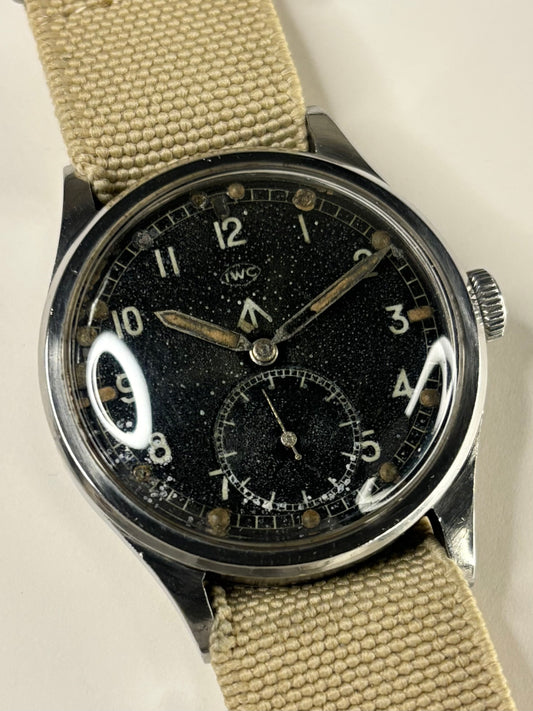
Most vintage watches from the 1950s, 1960s, and 1970s used luminous material on both the dial - in the plots surrounding the hour markers - and on the hands, allowing the watch to be read in low light. On a timepiece that has never been tampered with, the lume on the dial and the lume on the hands will have aged together, over the same period of time, in the same conditions. They will match.
When a dial is refinished, the lume plots are typically redone as part of the process - fresh material applied to a freshly refinished surface. But the hands, in many cases, are left original. The result is a mismatch - fresh-looking, brighter lume on the dial sitting alongside the naturally aged, creamy or slightly brown lume on the hands.
On a 1960s Rolex or Omega, that mismatch is immediately visible to a trained eye. The lume on the dial and the lume on the hands should tell the same story - same colour, same level of ageing, same quality of material. If they do not match, it is one of the clearest signs that the dial in front of you has not made it to the present day untouched.
A Final Thought
None of this is meant to make buying vintage watches feel daunting - it really is not! The vast majority of the vintage timepieces available from reputable sellers are exactly what they appear to be, and learning to spot these details simply makes you a more confident and informed buyer. That is always a good thing!
At AR Collectables, originality is something we take very seriously. Every vintage timepiece in our collection is hand-sourced by myself - Tom - and we are always happy to discuss the specifics of any piece in detail. If you ever have questions about a watch's dial or any other aspect of its originality, just drop us a message - we would love to help🤝
Browse our full collection of vintage timepieces today!