
How to Spot a Fake Omega Watch- A Complete Authentication Guide
Omega is one of the most admired and collectable names in all of watchmaking - and unfortunately, that desirability means it is also one of the most frequently faked and altered. Whether you are buying your first vintage Omega watch or adding to a collection, knowing how to tell a genuine piece from a fake or an altered one is essential. The good news is that with a little Omega-specific knowledge, the task becomes far more manageable than it first appears. Here is everything you need to know.
First - the Two Things to Watch For
As with any desirable watch, there are two distinct problems to be aware of when authenticating an Omega.
The first is an outright fake - a counterfeit watch built to imitate a genuine Omega, often a popular model like a Seamaster or Constellation. The second, and very common in the vintage world, is the altered or assembled Omega - a watch containing some genuine Omega parts but with a refinished dial, replaced components, or a mixture of parts from different watches. These are known as redials, marriages, or franken watches, and a piece can be partly genuine and still not be what it claims to be.
Keeping both in mind, here are the specific things to check on any vintage Omega.
1. The Omega Logo and Dial Printing

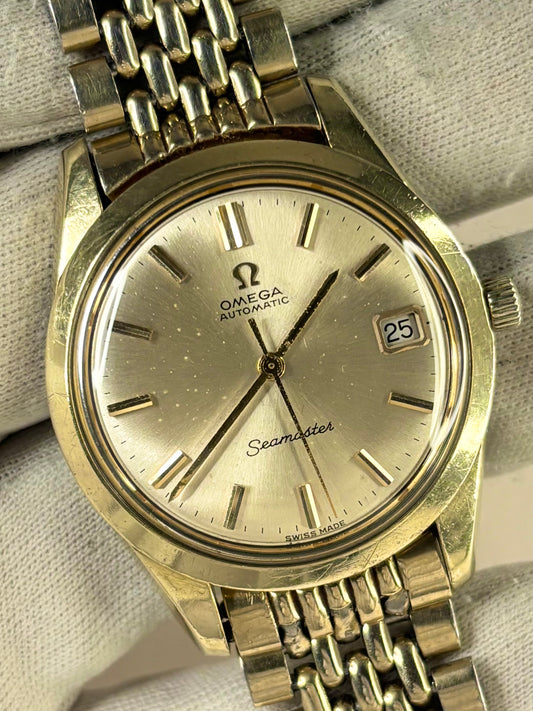
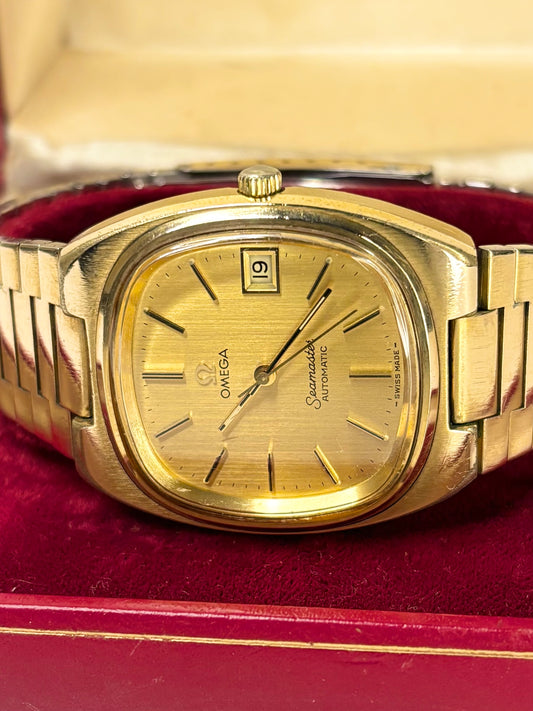
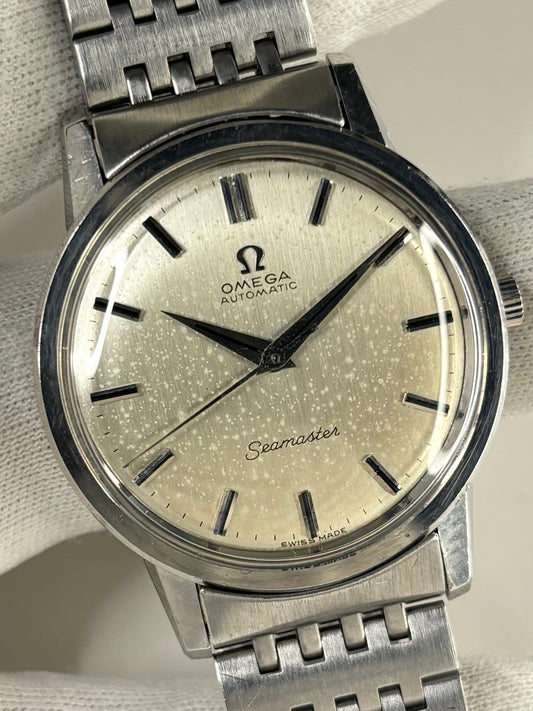
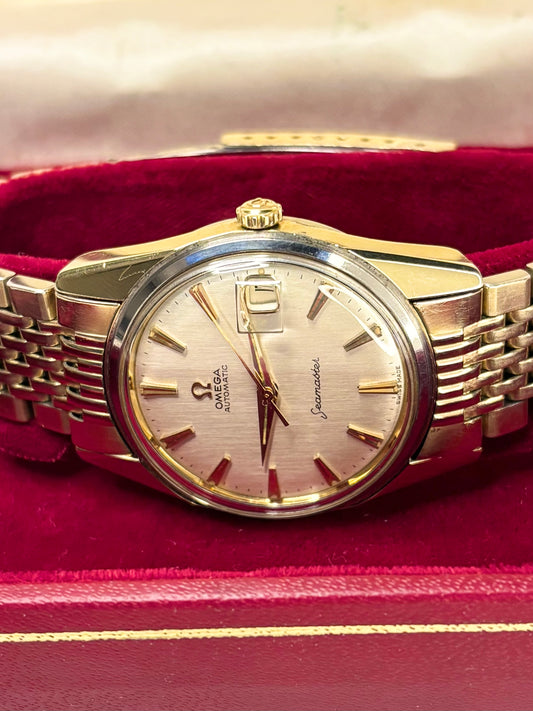
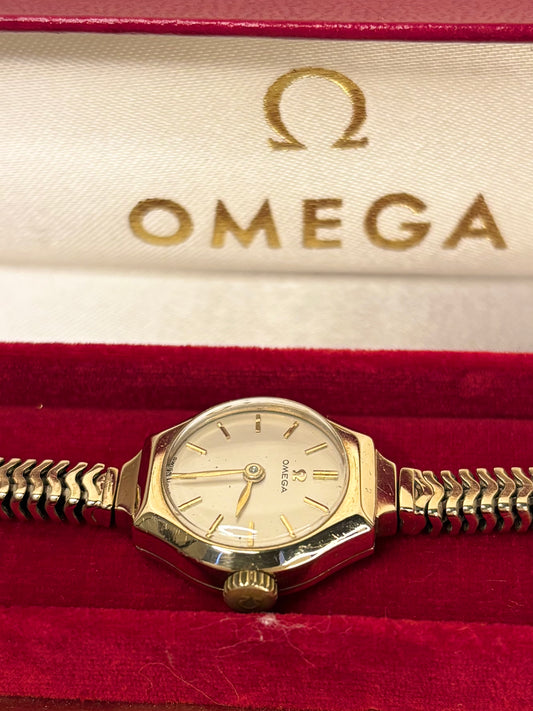
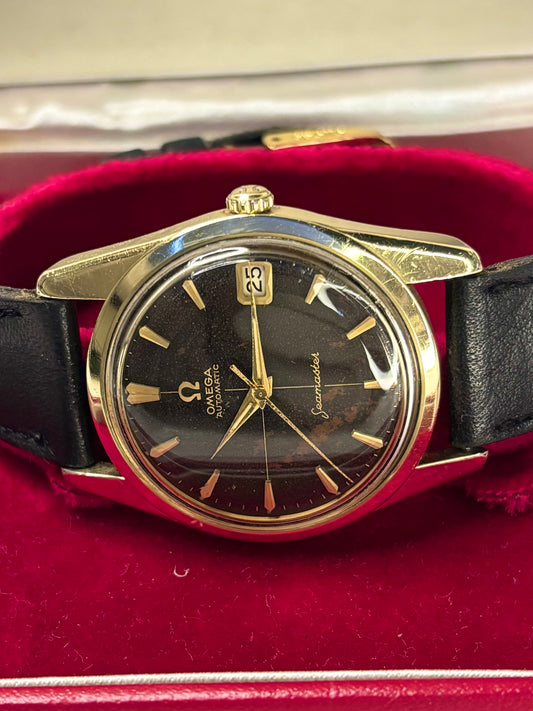
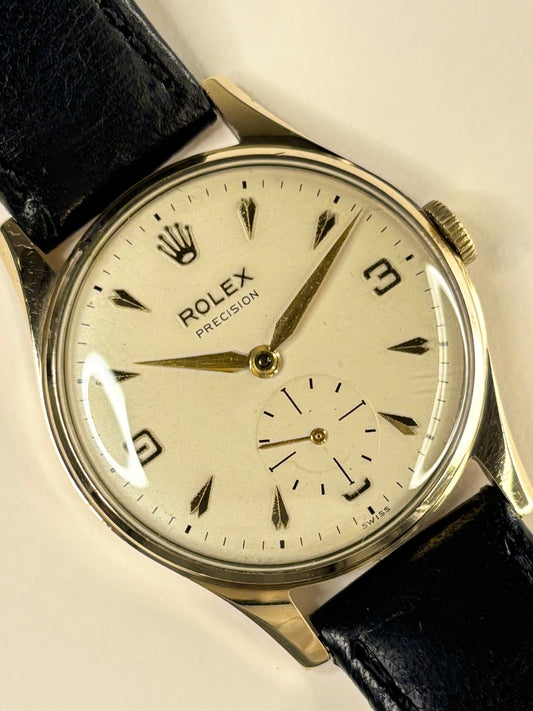
The first place to look is the dial, and specifically the Omega logo and text. On a genuine Omega, the famous Omega symbol and the OMEGA wordmark should be crisp, perfectly proportioned, and cleanly executed. On many quality vintage Omega pieces, the logo is applied as a raised metal element rather than simply printed, and the quality of this detail is high. Furthermore, the mention of a retailer, such as 'Turler' confirms the dial originality.
On a fake or a poor redial, the printing often gives the game away - fuzzy or uneven text, a logo that is slightly the wrong shape or proportion, or lettering that sits poorly on the dial. Compare any suspect piece against known genuine examples of the same reference, as the details should match precisely.
2. The Dial Text and Wording
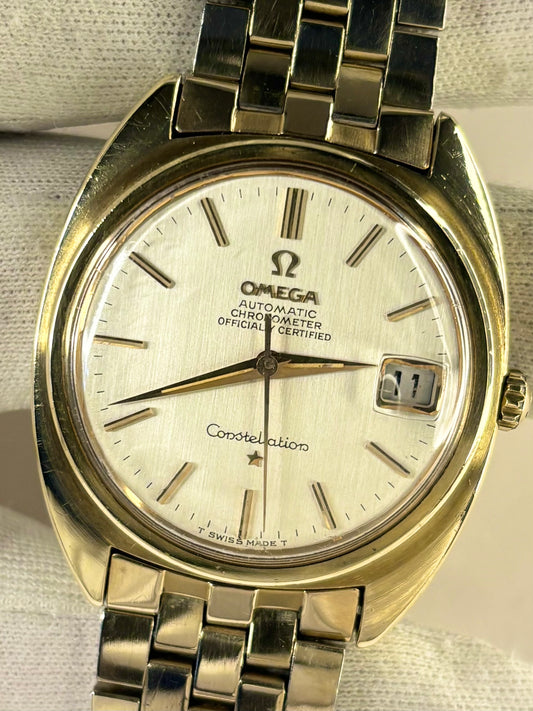
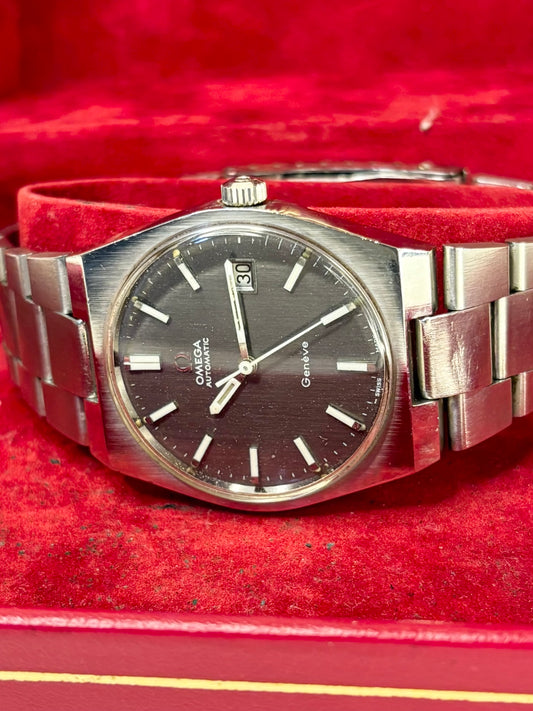
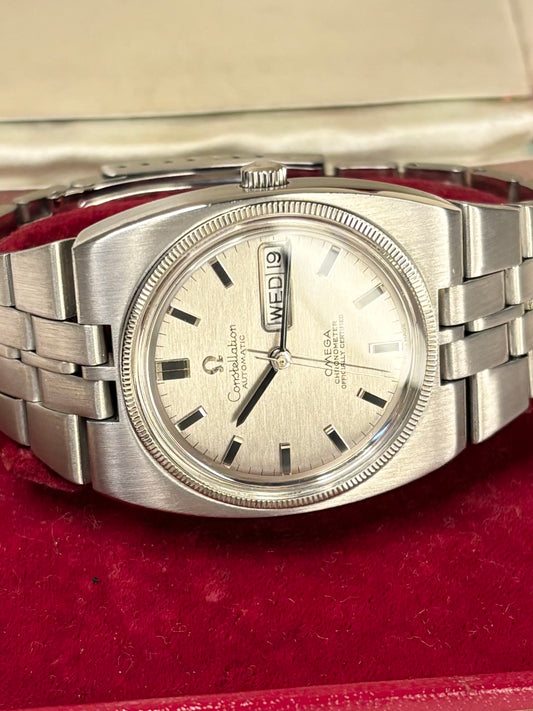
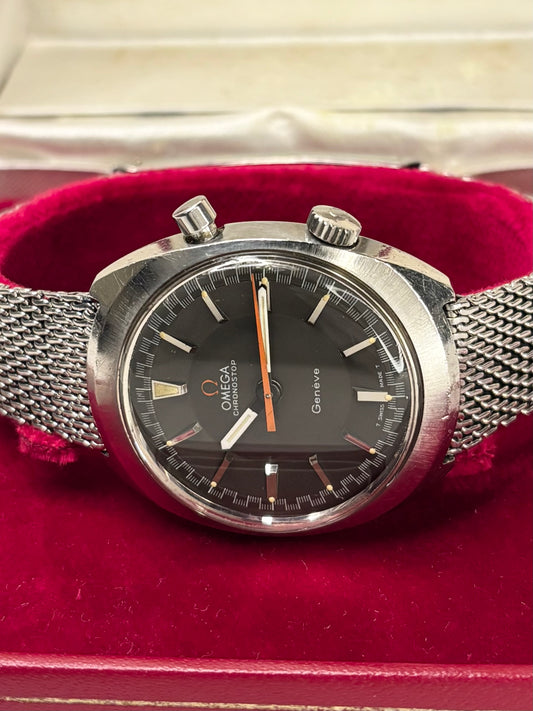
Beyond the logo, study all of the text on the dial. Vintage Omega dials carry model names and designations - Seamaster, Constellation, De Ville, Genève - along with text such as Automatic, Chronometer Officially Certified, and Swiss Made at the very bottom. Every word should be correctly spelled, correctly positioned, and in the right font for that model and era.
Misspellings, incorrect fonts, badly aligned text, or wording that does not belong on that particular reference are all serious warning signs. The position of the Swiss Made marking and how it relates to the minute track is a detail experienced collectors examine especially closely.
3. The Movement - the Heart of the Matter

This is one of the most important checks of all. A genuine vintage Omega is powered by a genuine Omega movement, signed Omega and bearing the correct calibre number, and finished to the high standard the brand is known for. Crucially, the calibre should be correct for that particular model and era.
A non-Omega movement inside an Omega case, a generic movement, or a calibre that does not match the reference is a classic sign of a fake or a franken watch. If you can see the movement, or ask the seller for clear photographs of it, this is one of the most revealing checks available. Our guide to vintage Omega calibres explains which movements belong in which watches, and is well worth consulting.
4. The Serial and Reference Numbers
Genuine vintage Omega watches carry a serial number - usually on the movement, and sometimes inside the caseback - and a reference number, typically engraved inside the caseback. Both should be present, cleanly engraved in a period-appropriate style, and consistent with the watch's claimed age and model. It's also important to mention the presence of caseback engravings mentioning case manufacturers, such as Dennison, which further confirm an Omega's authenticity.
The serial number can be used to date the watch, as we explain in our guide to dating a vintage Omega by serial number, and it should align with the era the watch claims to be from. Numbers that are crudely re-stamped, suspiciously fresh, or simply absent where they should be are a real cause for concern.
5. The Extract from the Archives
Here is something unique to Omega that is genuinely useful for authentication. Omega offers an official service called an Extract from the Archives - for a fee, and based on the watch's serial number, Omega will provide an official certificate confirming the watch's calibre, production date, and original delivery details from their own records.
For a valuable vintage Omega, an Extract from the Archives is one of the most reliable ways to confirm authenticity and originality, and a watch that comes with one - or for which one can be obtained - offers real peace of mind.
6. The Case, Hallmarks and Crown
The case itself reveals a great deal. Genuine Omega cases are well-made and substantial, with crisp, quality finishing. On solid gold models, proper hallmarks should be present and correct. The crown, on many models, should bear the Omega symbol, cleanly executed. Be wary of cases that feel suspiciously light or poorly finished, of incorrect case shapes for the reference, or of generic crowns lacking the correct Omega marking.
For specific lines, there are further details to know. A genuine vintage Constellation, for example, typically features the observatory medallion on the caseback and, on the most celebrated examples, the distinctive pie-pan dial - details we explore in our guide to the Omega Constellation pie-pan dial.
7. Check the Lume Matches
As with any vintage timepiece, the luminous material on the dial and the hands should have aged together to the same colour and tone. A mismatch - fresh-looking lume on the hands against aged, creamy lume on the dial, or vice versa - suggests replacement or a redial. We cover this in our guides to watch lume and spotting a refinished dial, and it applies just as much to Omega as to any other maker.
Redials - a Common Omega Issue
It is worth dwelling on redials specifically, because they are so common with vintage Omega. A redial is a genuine Omega dial that has been refinished or repainted at some point. The watch may be entirely genuine in every other respect, but a refinished dial significantly reduces both originality and value.
The signs of a redial include printing that is slightly too thick or too crisp, text that is marginally misaligned, an uneven minute track, or markers that interrupt the Swiss Made text incorrectly. Learning to spot a redial is one of the most valuable skills for any Omega buyer, and our full guide to spotting a refinished dial goes into real depth on the subject.
Two Beautiful Vintage Omegas From Our Collection

The best way to develop an eye for authenticity is to study genuine, honestly described examples. Here are two from our collection, both presented with the kind of transparency that gives a buyer real confidence.
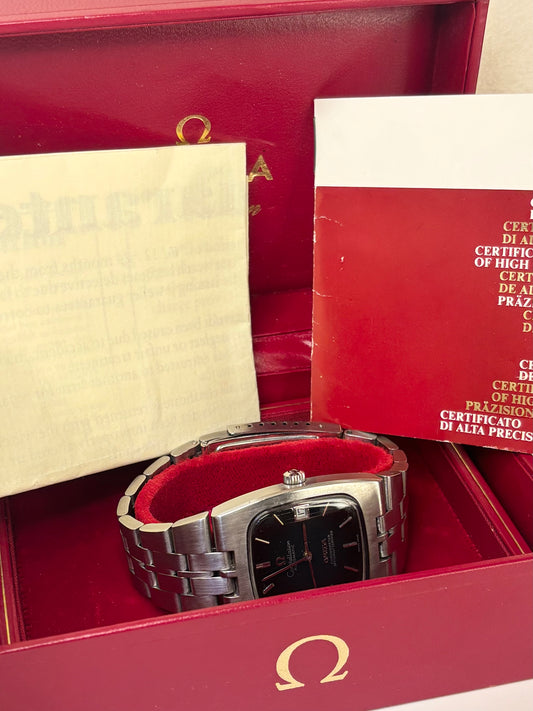
The OMEGA De Ville - Box and Papers - Vintage 1970's Gold Watch - Reference 192.0034 is a lovely genuine vintage Omega presented complete with its box and papers - exactly the kind of documented, honest package that offers peace of mind.
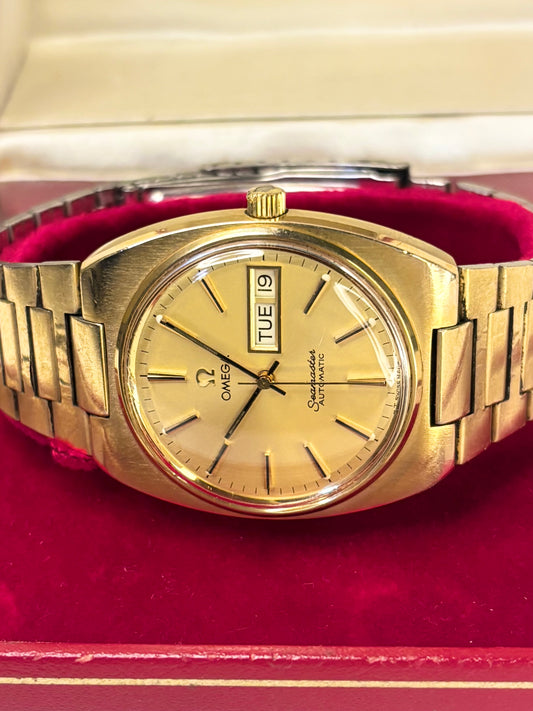
The OMEGA Seamaster - Boxed Vintage 1970's Automatic Gold Watch - Reference 166.0216 is another genuine example - a boxed vintage Omega Seamaster, one of the brand's most celebrated and most frequently imitated lines, presented honestly and ready to wear with confidence.
Check out our full vintage Omega collection today!
The Golden Rule - Buy From a Reputable Seller
All of these checks are valuable, and learning them will make you a far more confident buyer of vintage Omega. But the single most effective protection remains beautifully simple - buy from a reputable, trustworthy seller who describes their pieces honestly and accurately, who is transparent about a watch's originality and condition, and who welcomes your questions. As we say in both our 7 insider tips for buying your first vintage watch and our general guide to spotting a fake vintage watch, buying the seller is every bit as important as buying the watch.
A Final Thought
None of this should put you off the wonderful world of vintage Omega. These are some of the finest and most rewarding watches you can collect, and the vast majority offered by reputable sellers are exactly what they appear to be. Learning these checks simply ensures you buy with knowledge and confidence - and that makes the whole experience all the more enjoyable.
At AR Collectables, every vintage Omega in our collection is genuine, carefully checked, and described honestly and accurately. If you have any questions about the authenticity of a piece, or are looking to buy a vintage Omega watch with complete confidence, just drop us a message - we would love to help. 🤝
Check out our full vintage Omega collection today!