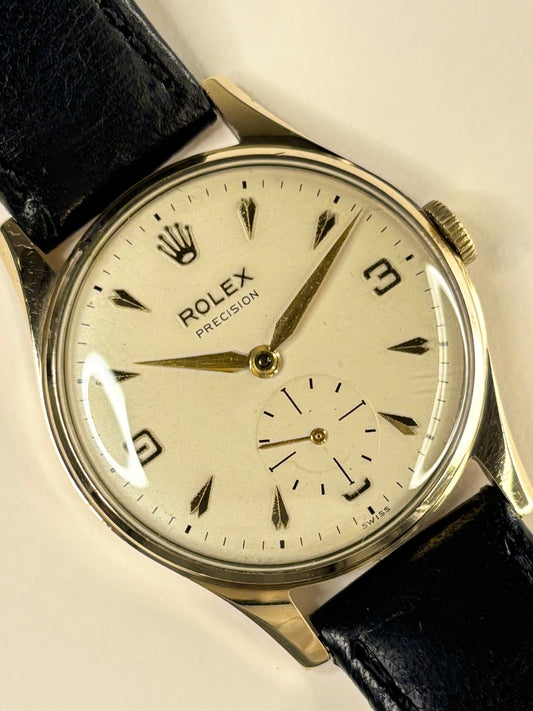

How to Choose the Right Sized Vintage Watch - A Complete Guide on Vintage Watch Sizing
One of the first things new buyers notice when they start exploring the world of vintage watches is that they are, by modern standards, quite small. The watches that dominated wrists through the 1950s, 1960s, and 1970s were designed for a completely different era of taste and proportion - and understanding vintage watch sizing is one of the most practically useful things you can learn before making your first purchase.
Get the sizing right and a vintage timepiece feels completely at home on your wrist - balanced, intentional, and elegant. Get it wrong and even the most beautiful vintage watch can look and feel slightly off. This guide walks you through everything you need to know.
Why Vintage Watches Run Smaller Than Modern Ones

Before getting into the numbers, it is worth understanding why the size difference exists in the first place.
The modern preference for large watch cases - 40mm, 42mm, even 44mm or beyond - is a relatively recent development. Through most of the 20th century, watchmaking convention held that a well-proportioned dress watch should sit discreetly on the wrist, slipping comfortably beneath a shirt cuff without creating a bulge or drawing attention to itself.
It was not until the 1990s and 2000s that larger case sizes became mainstream, driven largely by fashion trends and the growing influence of sports and diving watches on everyday wear. The result is that most people today are accustomed to wearing watches that would have looked comically oversized to a 1960s gentleman - and the slim, refined proportions of a genuine vintage timepiece can take a little adjustment to appreciate fully.
That adjustment is absolutely worth making. Once you have spent time with a well-chosen vintage watch sized correctly for your wrist, it is very hard to go back to something bulkier.
Understanding Case Diameter - the Basic Measurement
The most commonly cited measurement for any watch is the case diameter - the width of the case measured in millimetres, typically excluding the crown. This is the number you will see in our listings and descriptions, and it is the starting point for any conversation about sizing.
Here is a rough guide to what different diameter ranges feel like on the wrist, and what kind of watches you will typically find at each size.
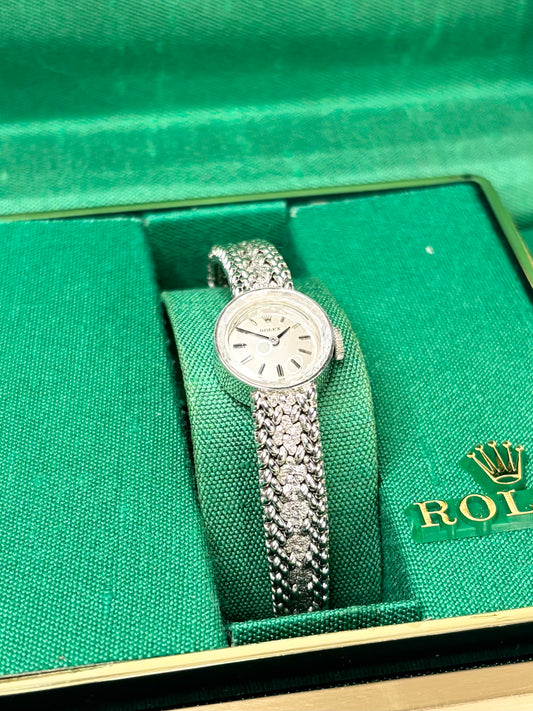
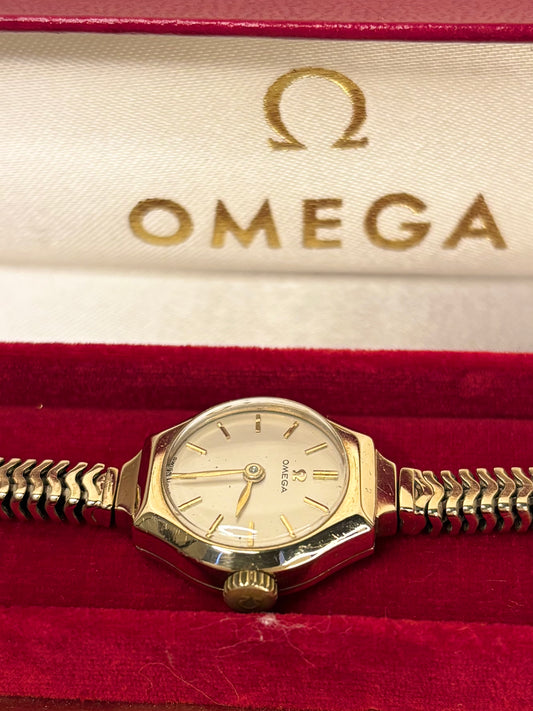
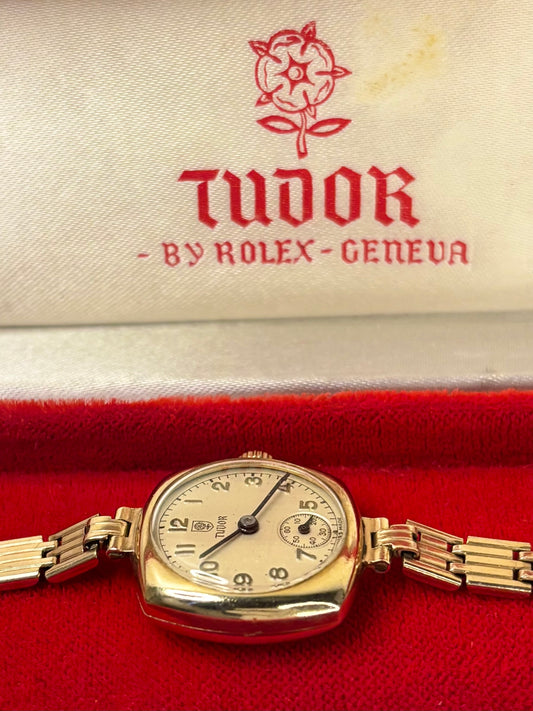
26mm and under - this is firmly in ladies watch territory for most wrists, and vintage watches in this size range are almost exclusively designed as women's dress watches. They are delicate, beautiful objects - but unless you have a very slim wrist, a sub-26mm watch will likely read as a ladies piece on a male wrist.
28mm to 33mm - a range that includes a significant number of vintage dress watches from the 1950s and early 1960s, particularly from brands like Omega. On a slender wrist these wear beautifully as dress pieces. On a larger wrist they begin to read as small, though on the right person the effect can be genuinely striking and elegant.
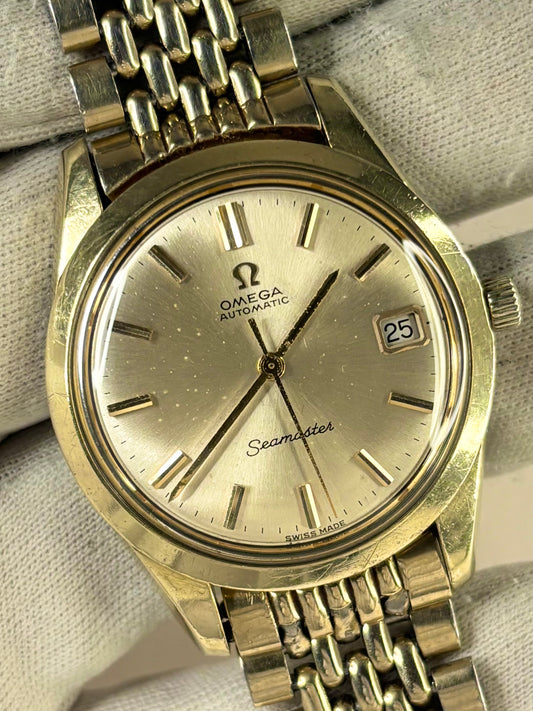
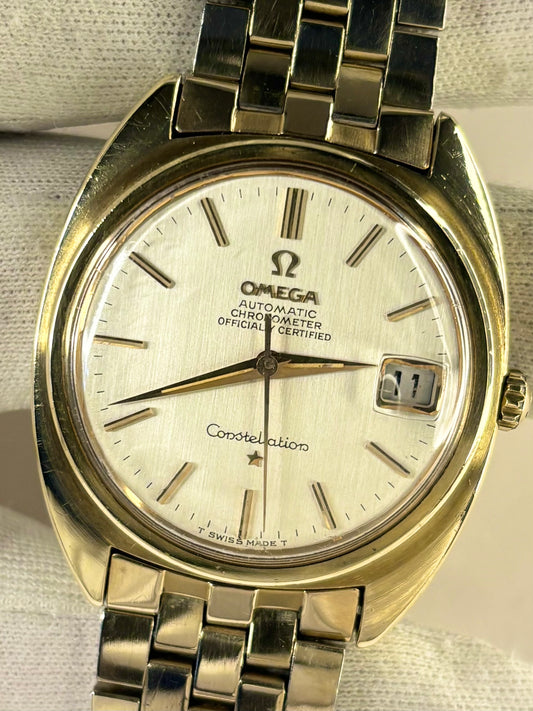
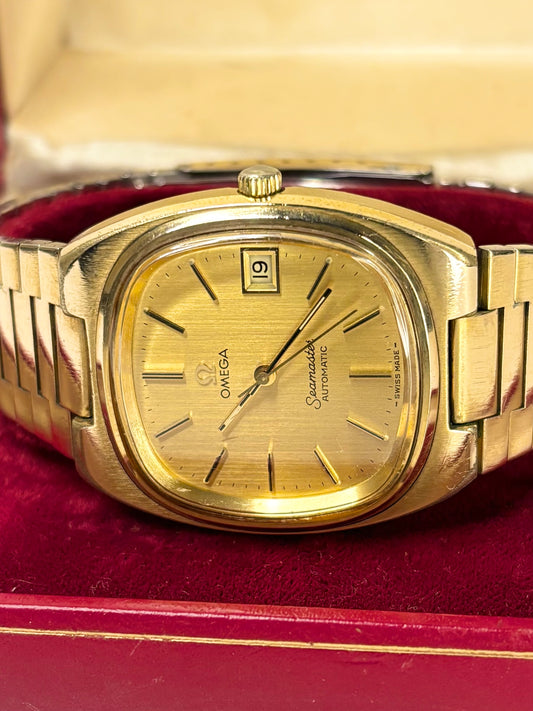
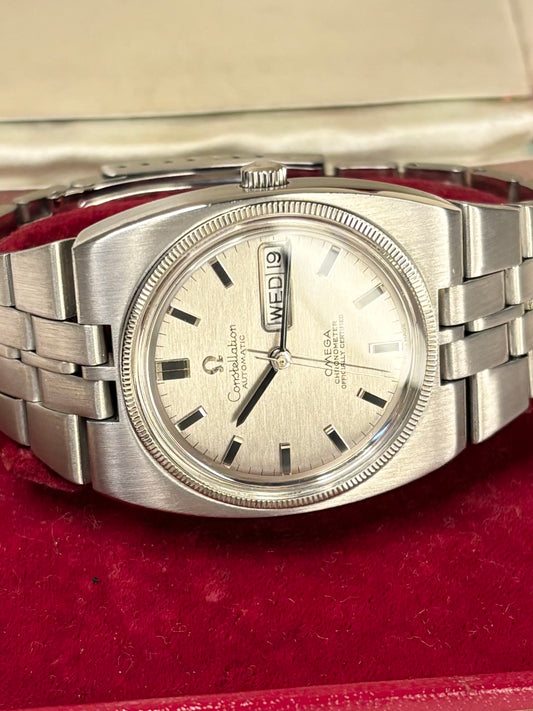
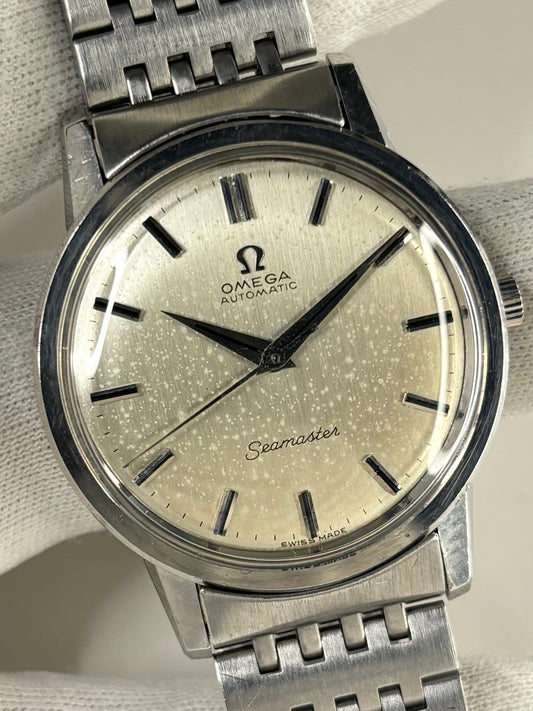
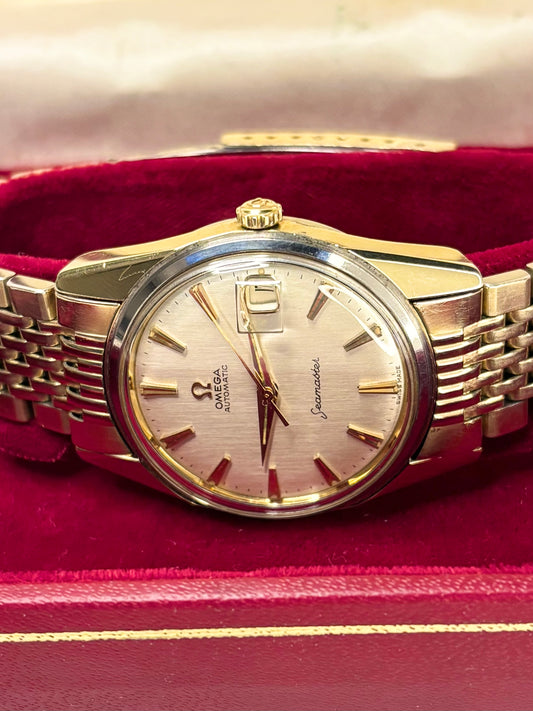
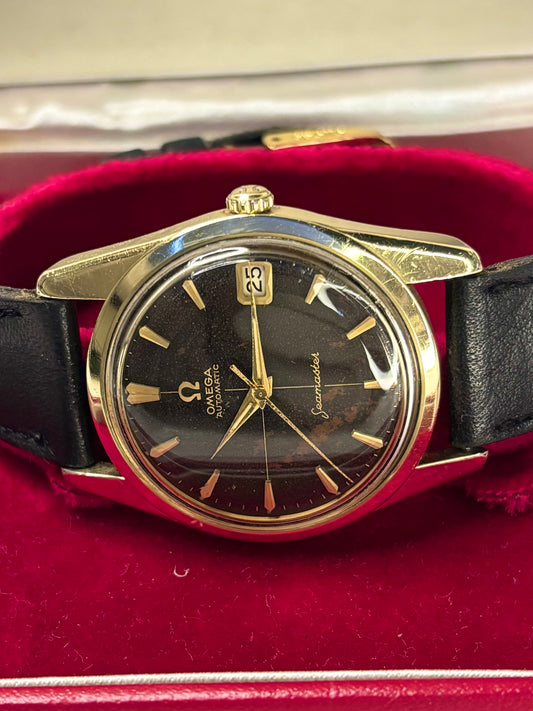
34mm to 36mm - the sweet spot for vintage dress watches. A 34mm or 35mm vintage timepiece sits comfortably on a wide range of wrist sizes, wearing with the understated elegance that the designers intended. Many of the most celebrated vintage Omega Constellation and Seamaster references fall into this range, and they wear beautifully on wrists from around 16cm circumference upwards.
37mm to 39mm - where vintage dress watches begin to transition into sportier territory. Watches in this range have a slightly more assertive presence on the wrist while still maintaining the refinement of a dress piece. A 38mm vintage watch is a very comfortable size for most wrist sizes and represents an excellent balance of presence and elegance.
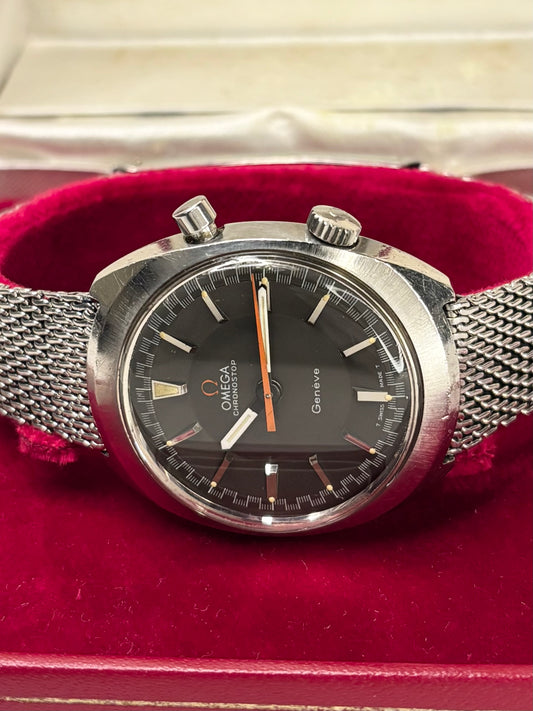
40mm and above - relatively uncommon in the vintage dress watch world, this size range is most frequently encountered on vintage sports and tool watches. On a larger wrist a 40mm vintage timepiece can look excellent - bold without being excessive.
Browse our full vintage watch collection today!
Lug-to-Lug Distance - the Measurement That Really Matters
Here is something that trips up a lot of first-time vintage watch buyers - the case diameter alone does not tell you how a watch will actually wear on the wrist.
The measurement that arguably matters more is the lug-to-lug distance - the measurement from the tip of the top lugs to the tip of the bottom lugs, across the face of the watch. This is the measurement that determines how much of the watch sits across your wrist, and it has a dramatic effect on comfort and proportion.
Two watches with the same case diameter can have very different lug-to-lug distances depending on the lug style and case architecture. A watch with long, forward-sweeping lugs will have a larger lug-to-lug measurement than a watch with shorter, more vertical lugs - even if the dial diameter is identical. The former will overhang the edges of a smaller wrist; the latter will sit neatly within it.
As a rough rule of thumb, a lug-to-lug distance of no more than your wrist width minus around 10mm will generally sit comfortably and proportionally. So on a 16cm wrist - measuring approximately 42mm across the top - a lug-to-lug of around 42mm or less will typically look and feel balanced.
Most vintage dress watches from the 1950s and 1960s have relatively modest lug-to-lug measurements compared to their modern counterparts, which is one of the reasons they can wear comfortably on a wide range of wrist sizes despite their smaller diameters.
Case Thickness - the Overlooked Dimension

Alongside diameter and lug-to-lug, case thickness is the third dimension that shapes how a vintage watch wears - and it is the one most commonly overlooked by buyers who are new to vintage.
A slim case - anything under around 9mm in total height - disappears beneath a shirt cuff with effortless grace and creates a sensation of wearing something genuinely fine and considered. Many vintage Omega dress watches powered by slim manual-wind calibres achieve total case heights of 7mm or less, and the experience of wearing one is genuinely different from any thicker watch - lighter, more intimate, more elegant.
Automatic movements, with their rotors adding height, tend to produce slightly thicker cases - though the finest vintage automatic dress watches from brands like Omega still achieve remarkably slim profiles that modern automatics rarely match.
If elegant wrist presence beneath a cuff is a priority for you - and for many vintage watch buyers it is - paying attention to case thickness is every bit as important as the diameter.
How to Measure Your Wrist
Before buying any vintage watch, it is worth taking a moment to actually measure your wrist properly - it takes thirty seconds and it makes a real difference to your decision-making.
Use a soft tape measure or a strip of paper to measure the circumference of your wrist at the point where you typically wear a watch - usually just below the wrist bone. Note the measurement in centimetres.
From that circumference you can estimate your wrist width across the top - typically around a quarter of the circumference measurement. So a 17cm wrist circumference suggests approximately 42-43mm across the top, and a 16cm wrist approximately 40mm.
Use those numbers as reference points when assessing lug-to-lug measurements, and combine them with the case diameter to build a picture of how a specific watch is likely to sit on your particular wrist.
Matching Watch Size to Occasion and Style

Beyond the purely physical question of fit, there is a stylistic dimension to vintage watch sizing that is worth thinking about.
Smaller, slimmer vintage dress watches - the 34mm to 36mm Omega Constellations and Seamasters of the late 1950s and early 1960s, for example - are inherently formal objects. Their proportions belong in a shirt and jacket, beneath a cuff, at a dinner table or a business meeting. They reward dressing up and they genuinely elevate an outfit in a way that few accessories can.
Slightly larger vintage watches in the 37mm to 39mm range carry a more versatile character. They work with formal dress but they also hold their own with more casual clothes - a simple shirt, a good pair of trousers - without looking incongruous. If you are looking for one vintage watch that works across a wide range of occasions, this size range is often the most practical choice.
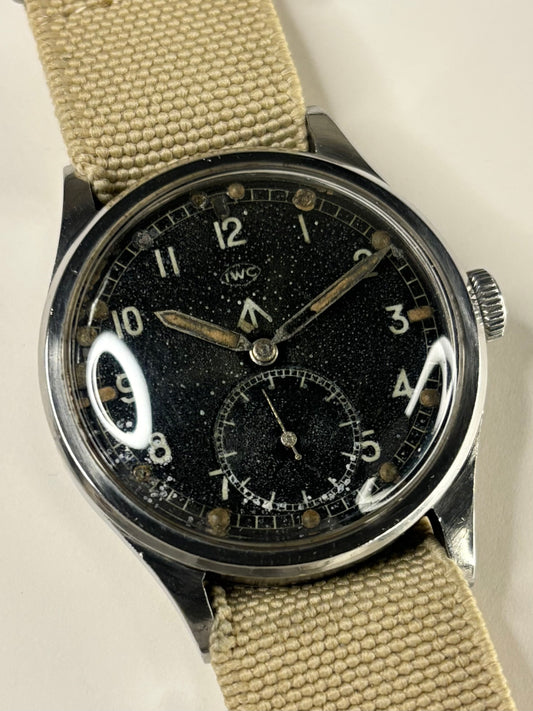
Vintage sports watches at 38mm and above are the most casual and the most wearable in everyday contexts - robust, confident, and happy on a NATO strap or leather strap for a relaxed, unfussy look.
A Note on Strap Width

One final sizing consideration that is easy to overlook - the strap width. Vintage watches in the smaller size ranges will typically take narrower straps - 16mm, 17mm, or 18mm - while larger cases generally use 18mm, 19mm, or 20mm straps.
Getting the strap width right matters for proportion as well as fit. A strap that is too wide for a slim case will look heavy and unbalanced; one that is too narrow for a larger case will look insubstantial. Most vintage watch listings will specify the lug width, and matching a quality leather strap to that measurement is one of the easiest and most effective ways to make a vintage timepiece look its very best.
A premium leather strap in the right width can transform a vintage watch - and here at AR Collectables we carry a full range of quality leather straps to suit vintage watches across every size range.
Browse our premium leather strap collection today!
Finding Your Perfect Size
The honest truth about vintage watch sizing is that the best way to find your perfect fit is to try different sizes on the wrist - either in person or, if buying online, by cutting a strip of paper to the lug-to-lug measurement of a watch you are considering and holding it against your wrist to get a sense of the proportion.
What we can tell you with confidence is that the vast majority of people who are nervous about vintage watches running small find, once they actually try one on, that they love the way it wears. The slim, understated proportions of a well-chosen vintage dress watch have a way of surprising people - they feel more comfortable, more natural, and more genuinely elegant than the larger modern watches many people are used to.
At AR Collectables, we are always happy to discuss sizing in detail for any specific piece in our collection - just drop us a message and we will help you find the right fit. 🤝
Browse our full vintage watch collection today!