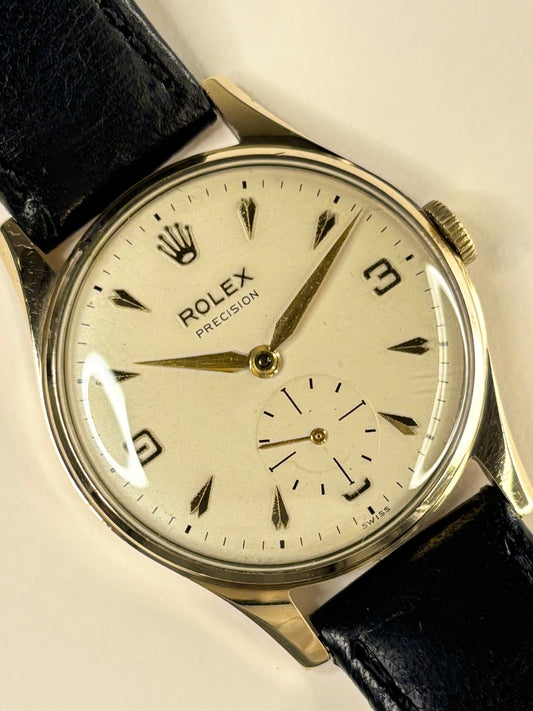

How Much Should I Wind a Vintage Watch? A Simple Guide
Winding is one of the most fundamental parts of owning a mechanical watch, yet it is also one of the things that new owners worry about most. How much should you wind it? Can you wind it too much? Do automatics need winding at all? These are genuinely good questions, and getting the answers right is an important part of caring for a vintage watch. Here is everything you need to know.
How to Wind a Manual-Wind Vintage Watch
A manual-wind watch, as we explain in our guide to the history of manual-wind movements, is powered entirely by you winding it - so knowing how to do this properly matters.
To wind a manual watch, turn the crown clockwise between your thumb and forefinger. You will feel a gentle, smooth resistance as the mainspring winds. Continue winding until you feel the resistance become firm - a distinct point at which the crown becomes noticeably harder to turn. This tells you the mainspring is fully wound. At this point, stop. Do not force the crown any further.
As a rough guide, winding a fully wound-down manual watch from stopped will typically take somewhere in the region of 10 to 15 turns of the crown, though this varies from movement to movement. But you do not need to count - simply wind gently until you feel that firm resistance, and stop there.
For the best performance, it is ideal to wind a manual watch once a day, at roughly the same time each day. This keeps the mainspring well wound and the watch running at its best, as a well-wound watch keeps better time, as we discuss in our guide to how accurate a vintage watch should be.
Can You Overwind a Vintage Watch?

This is one of the most common worries, so let us address it directly. In the vast majority of modern-era mechanical watches - which includes most vintage watches you will encounter - you cannot overwind the watch in the sense of winding the mainspring too far and damaging it. These watches have a mechanism that allows the mainspring to slip or stop taking up wind once it is fully wound.
What you can do, however, is damage the watch by forcing the crown after it has reached that point of firm resistance. The harm comes not from too much winding, but from applying force against a mainspring that is already fully wound, or against the winding mechanism itself. This is why the golden rule is always to wind gently and stop as soon as you feel firm resistance. Wind with care, respect that stopping point, and you have nothing to worry about.
Do You Need to Wind an Automatic Vintage Watch?
An automatic, or self-winding, watch winds itself through the motion of your wrist, as we explain in our guide to the history of automatic movements. So in normal use, an automatic watch worn regularly does not need to be hand-wound - your everyday movements keep it wound for you.
However, there are a couple of situations where you may wish to wind an automatic by hand. If the watch has stopped - because it has been left unworn and its power reserve has run down, as we discuss in our guide to the power reserve - you can give the crown a number of gentle turns to start it running again before you put it on, rather than waiting for wrist motion alone to build up the wind. Many collectors give a stopped automatic around 20 to 30 turns to get it going nicely.
Most vintage automatics can be hand-wound in this way, though a few early automatic designs cannot. If winding an automatic produces no firm resistance at all, that is normal - most automatics do not have the same definite stopping point as a manual watch, because the self-winding mechanism is designed to slip continuously once fully wound.
A Few Winding Tips
A few simple points will help you wind your vintage watch well. Where possible, take the watch off your wrist to wind it, as winding while it is on your wrist places the crown stem at a slight angle and can cause wear over time. Wind smoothly and steadily rather than in sharp jerks. And if your watch has a screw-down crown, as we explain in our guide to screw-down crowns, remember to unscrew it before winding, and to screw it back down afterwards.
A Genuine Vintage Watch From Our Collection
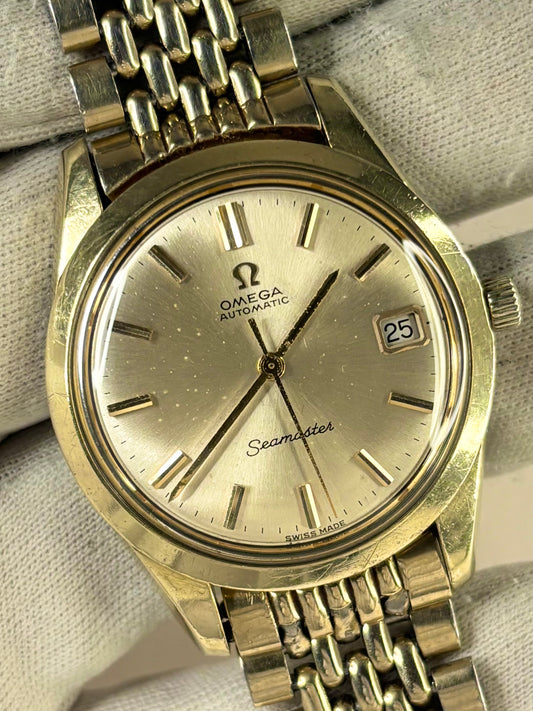
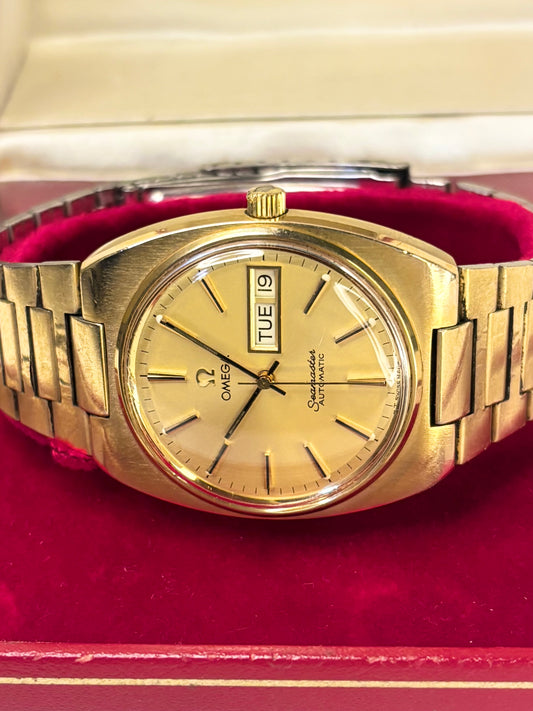
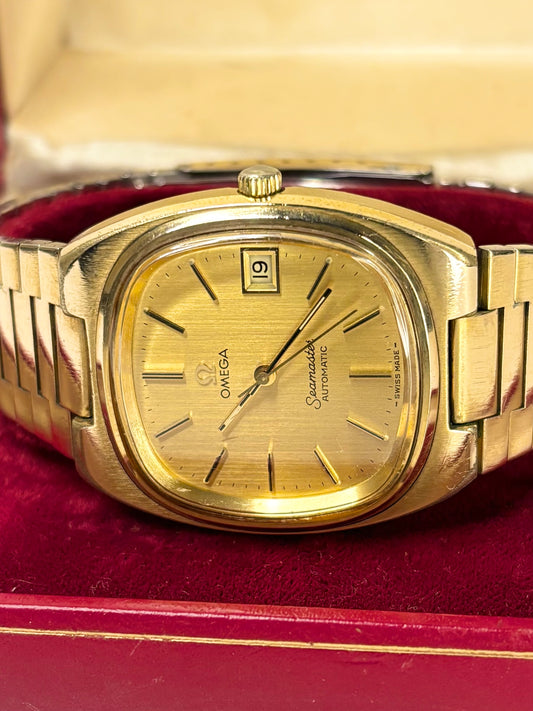
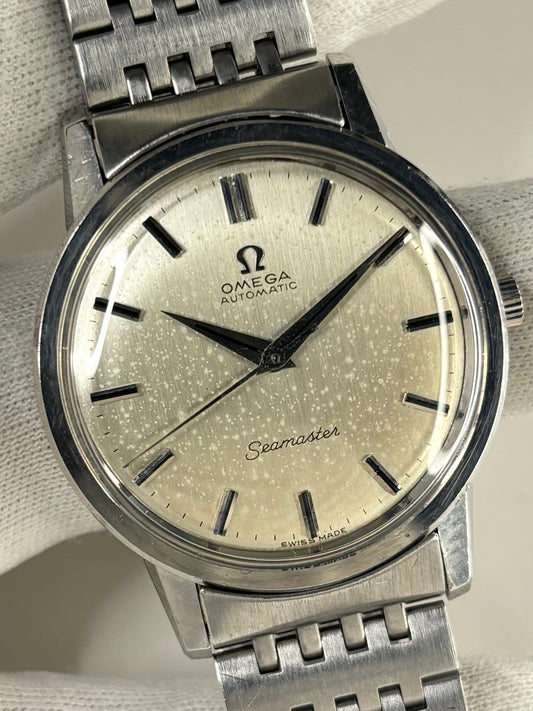
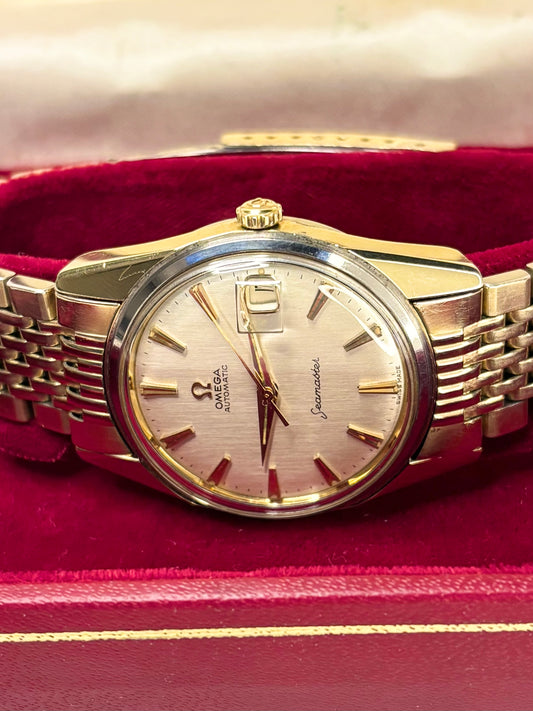
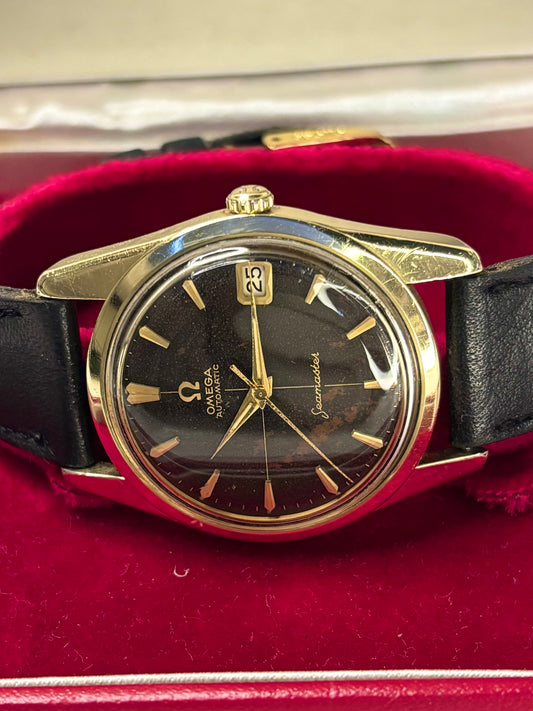
The OMEGA Seamaster - Boxed Vintage 1950's Automatic Gold Watch - Reference 2846 is a lovely example of a genuine vintage Omega automatic - the kind of quality self-winding timepiece that keeps itself wound through everyday wear, and rewards a little care in how it is handled.
Check out our full vintage watch collection today!
A Final Thought
So, how much should you wind a vintage watch? For a manual watch, wind it gently until you feel firm resistance, then stop - ideally once a day. For an automatic, let everyday wear do the work, and give it a gentle wind to start it if it has stopped. And rest assured that, provided you wind gently and respect that stopping point, you need not worry about overwinding. Winding a vintage watch is one of the small, satisfying rituals of ownership - a direct connection to the mechanism, and part of the genuine pleasure of living with a mechanical timepiece.
At AR Collectables, every vintage timepiece in our collection is handpicked, cleaned, and tested. If you have any questions about caring for your watch, or are looking to buy a vintage watch to treasure, just drop us a message - we would love to help. 🤝
Check out our full vintage watch collection today!