
How Does a Watch Dial Get a Tropical Patina?
Among the many things that make vintage watches so fascinating, few are as captivating as the tropical dial - a dial that has changed colour over the decades, transforming from its original shade into a warm, rich brown. These dials are among the most sought-after and celebrated in all of vintage collecting, often commanding a real premium. But how does a watch dial actually become tropical, and why is the result so prized? Here is everything you need to know.
What is a Tropical Dial?
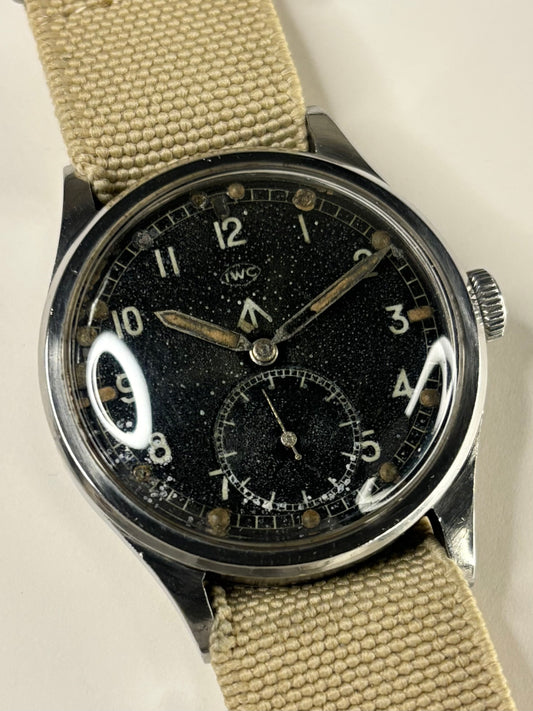
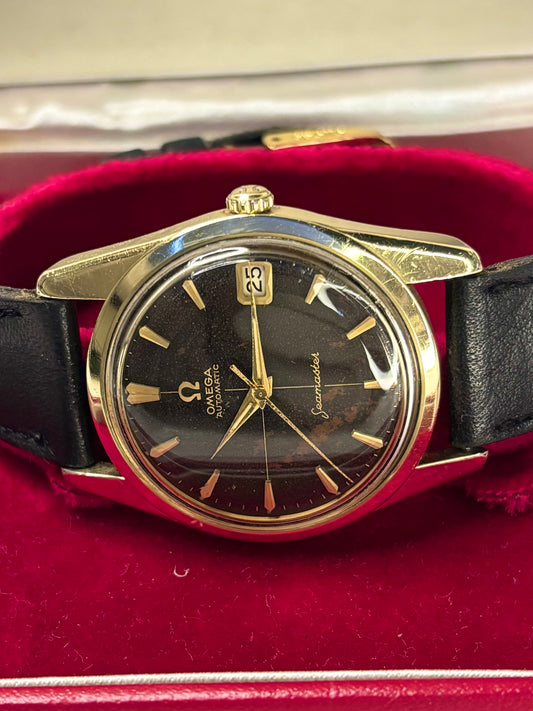
First, a quick recap of what we mean by a tropical dial. A tropical dial is a vintage watch dial that has changed colour over time, its original finish having transformed into a warm brown tone, as we explore in our guide to tropical dials. Most commonly, a dial that was originally black has turned a rich chocolate or coffee brown, though blue and other dials can also develop tropical tones.
Crucially, a true tropical dial is one where this transformation has happened evenly and attractively, resulting in a beautiful, warm, characterful dial. Far from being seen as damage, an attractive tropical dial is celebrated as a thing of genuine beauty, and it can make a watch considerably more desirable.
How Does a Dial Become Tropical?

So what actually causes this transformation? A tropical dial is the result of decades of exposure to the elements - principally sunlight and ultraviolet light, often combined with heat and humidity, acting slowly on the dial over many years.
The dials of vintage watches were finished with lacquers and paints using the materials and techniques of their day. Over long periods, exposure to strong ultraviolet light and sunlight can cause these original dial finishes to break down and change colour, in a slow process of fading and transformation. Heat and humidity can accelerate and influence this process, which is part of why the phenomenon earned the name tropical - such conditions were thought to encourage the effect, and watches that had spent their lives in warmer, sunnier, more humid climates - the tropics - often showed it most.
In essence, a tropical dial is a record of a watch's life - decades of sunlight and warmth slowly and gently transforming the dial into something new and beautiful. It is nature, time, and light working together on the original materials.
Why Do Some Dials Go Tropical and Others Don't?
This is one of the most intriguing aspects of the phenomenon. Two seemingly identical watches, made in the same year, may look completely different today - one with a perfect black dial, the other a rich tropical brown. Why?
The answer lies in a combination of factors. The specific composition of the dial finish matters enormously - certain batches of dial lacquer or paint, using particular materials, proved more prone to changing colour than others, which is why tropical dials are often associated with specific models and periods. And the life the watch led matters too - a watch that spent decades exposed to strong sunlight and warmth was far more likely to go tropical than one kept in a drawer.
This combination of the right dial composition and the right conditions is why tropical dials are relatively uncommon, and part of why they are so prized. Each one is, in a sense, unique - the product of a particular dial and a particular life.
Why Are Tropical Dials So Prized?
Tropical dials have become some of the most sought-after in all of vintage watch collecting, for several reasons.
There is the beauty - an attractive tropical dial has a warm, rich, characterful quality that many collectors find genuinely gorgeous, quite unlike any dial produced new. There is the uniqueness - because the effect depends on each watch's individual dial and history, every tropical dial is one of a kind, giving the watch a genuine individuality. And there is the authenticity - a tropical dial is an honest record of a watch's decades of life, the very opposite of a refinished dial, as we discuss in our guide to spotting a refinished dial. It is patina in its most beautiful form, as we explore in our guide to patina on a vintage watch.
For all these reasons, a genuine, attractive tropical dial is celebrated and often commands a premium.
A Genuine Vintage Watch From Our Collection
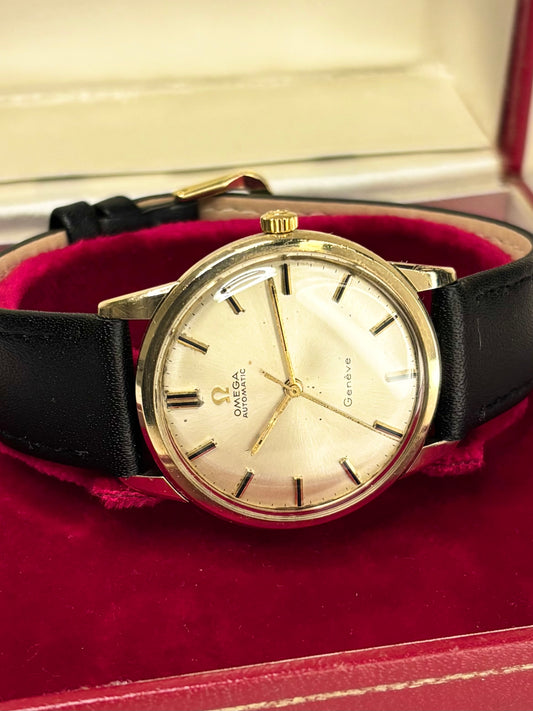
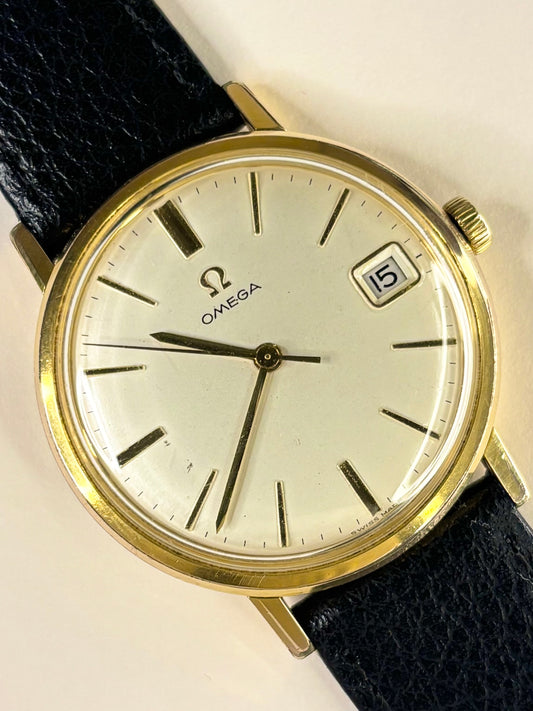
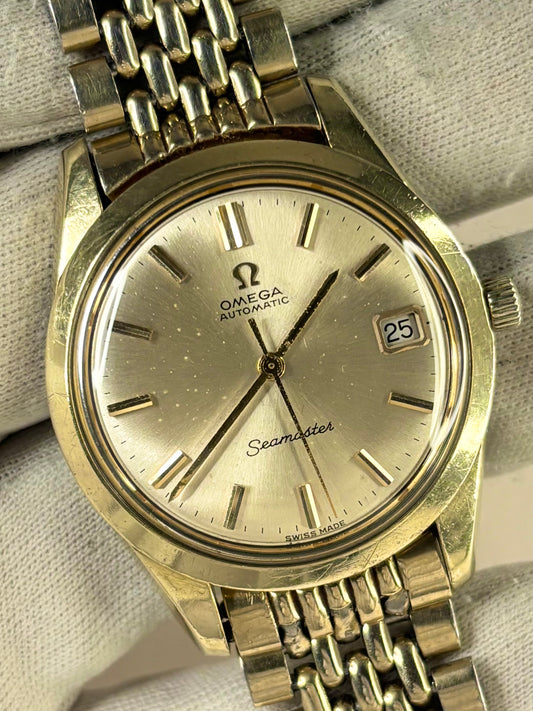
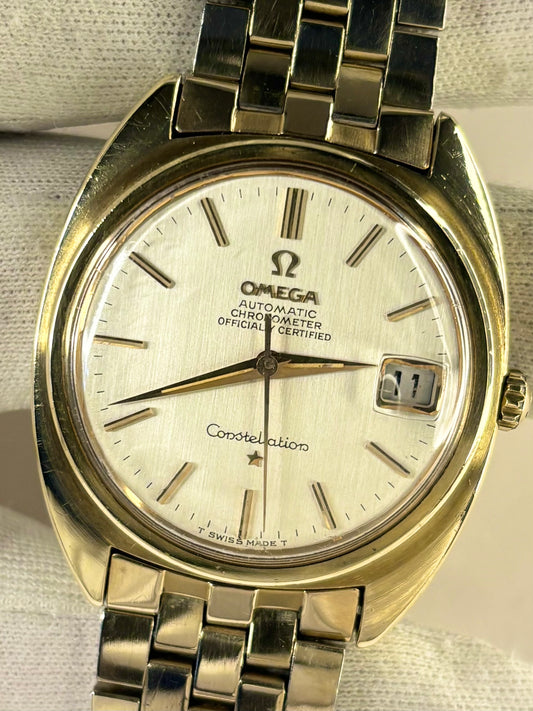
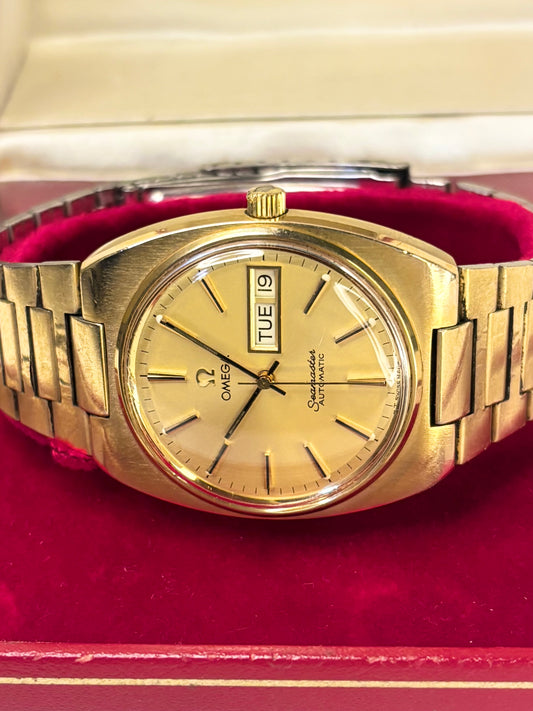
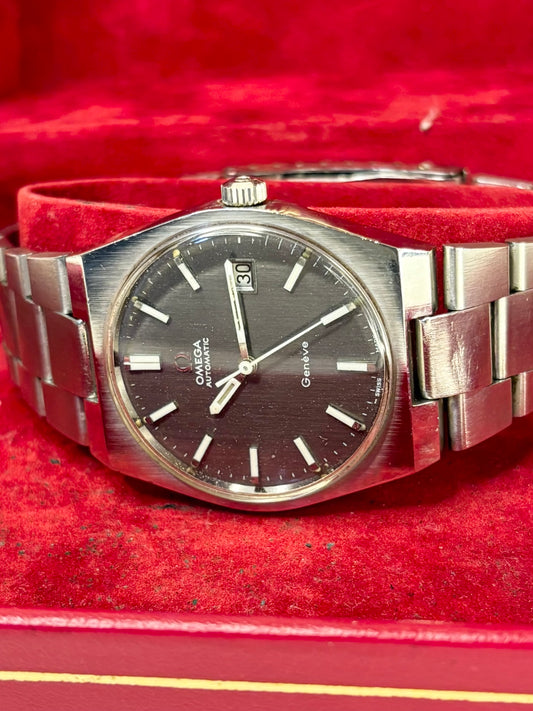
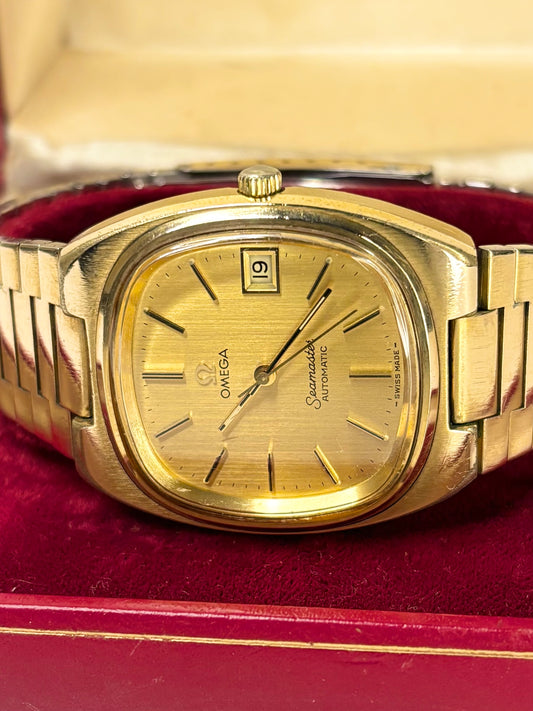
The OMEGA Genève - Vintage 1970's Automatic Day-Date Gold Dress Watch - Reference 166.0188 is a lovely example of a characterful vintage Omega - exactly the kind of genuine vintage timepiece whose dial tells the story of its decades of life, and a reminder of how beautifully these watches can age.
Check out our full vintage watch collection today!
A Final Thought
So, how does a watch dial get a tropical patina? Through decades of sunlight, heat, and time, gently transforming an original dial finish into a warm, rich brown - a slow and beautiful process that depends on both the dial's particular composition and the life the watch led. The result is one of the most prized and characterful things in all of vintage collecting - a dial that is genuinely one of a kind, and an honest record of a watch's long journey through time. It is one of the loveliest examples of how a vintage watch can become more beautiful, and more individual, with age.
At AR Collectables, we love the character and individuality of genuine vintage watches, and every piece in our collection is handpicked, cleaned, and tested. If you would like to know more, or are looking to buy a characterful vintage watch, just drop us a message - we would love to help. 🤝
Check out our full vintage watch collection today!